

Iran
Context
Year: 1628
Islamic (Hijri) Year: 1037
Issuer: Iran 
Ruler: Abbas I
Currency:
(1501—1798)
Demonetization: 1629
Material
Weight: 1.88 g
Silver weight: 1.88 g
Shape: Irregular round
Composition: Silver
Magnetic: No
Technique: Hammered
Alignment: Coin alignment
flip
References
KM: #Click to copy to clipboard112
Numista: #62385
Value
Bullion value: $5.44
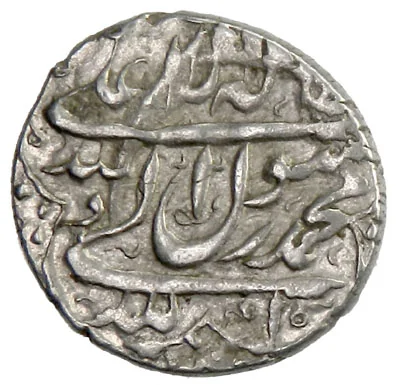
Obverse
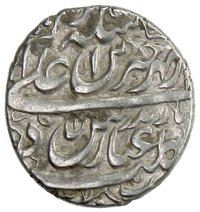
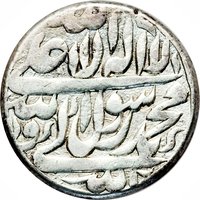
Description:
Shi’a declaration of faith.
Inscription:
لا اله الا الله/ محمد رسول الله/علی ولی الله
Script: Persian
Reverse
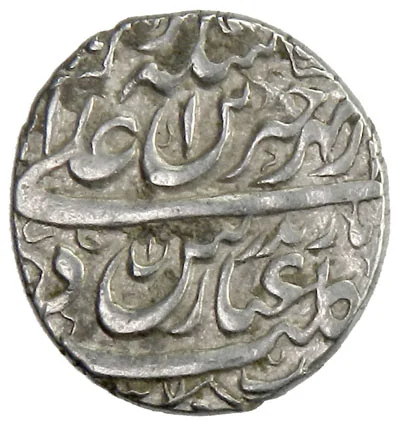
Description:
Royal decree
Inscription:
از بهر خیر این سکه را کلب علی عباس زد
مازندران
مازندران
Script: Persian
Edge
Plain
Mints
| Name | Mark |
|---|---|
| Mazandaran Province, Tabaristan | مازندران |
Mintings
| Year | Mint Mark | Mintage | Quality | Collection |
|---|---|---|---|---|
| 1628 | — | — |
Historical background
In 1628, Iran under the Safavid dynasty (1501–1736) operated within a sophisticated but challenging monetary system. The economy was fundamentally bimetallic, relying on silver ‘abbasi coins (worth 200 dinars) and gold toman (a unit of account worth 10,000 dinars, or 50 ‘abbasis). Copper fulus served for small, local transactions. The state minted coins in major cities like Isfahan, the imperial capital, and Tabriz, with their weight and purity theoretically standardized by royal authority. This period fell within the reign of Shah Safi I (1629–1642), a time of transition following the prosperous era of Shah Abbas I, which saw extensive trade with European and Asian merchants.
However, the currency situation was plagued by persistent instability. A primary issue was the chronic shortage of precious metals, particularly silver, within Iran's mines. This forced the Safavid state to heavily depend on imports of bullion, especially New World silver entering via Ottoman and European trade routes. Any disruption to this flow—through warfare, shifting trade patterns, or hoarding—immediately caused scarcity and economic stress. Furthermore, the practice of provincial governors and mint masters debasing coinage (reducing silver content) for short-term profit was a recurring problem, leading to inflation and a loss of public trust in the currency's intrinsic value.
The monetary challenges of 1628 were thus symptomatic of broader pressures. They reflected the vulnerabilities of an economy tied to global bullion flows and the administrative strains of a centralized empire trying to control its currency across vast territories. While not yet in crisis, the system required careful management. The incoming Shah Safi would soon face increased fiscal demands from court extravagance and military threats, exacerbating these underlying monetary weaknesses and leading to further debasement in the following decades.
However, the currency situation was plagued by persistent instability. A primary issue was the chronic shortage of precious metals, particularly silver, within Iran's mines. This forced the Safavid state to heavily depend on imports of bullion, especially New World silver entering via Ottoman and European trade routes. Any disruption to this flow—through warfare, shifting trade patterns, or hoarding—immediately caused scarcity and economic stress. Furthermore, the practice of provincial governors and mint masters debasing coinage (reducing silver content) for short-term profit was a recurring problem, leading to inflation and a loss of public trust in the currency's intrinsic value.
The monetary challenges of 1628 were thus symptomatic of broader pressures. They reflected the vulnerabilities of an economy tied to global bullion flows and the administrative strains of a centralized empire trying to control its currency across vast territories. While not yet in crisis, the system required careful management. The incoming Shah Safi would soon face increased fiscal demands from court extravagance and military threats, exacerbating these underlying monetary weaknesses and leading to further debasement in the following decades.
✨ Legendary