

Iran
Context
Material
Weight: 3.79 g
Silver weight: 3.79 g
Shape: Irregular round
Composition: Silver
Magnetic: No
Technique: Hammered
Alignment: Coin alignment
flip
References
KM: #Click to copy to clipboard112.5
Numista: #62205
Value
Bullion value: $10.93
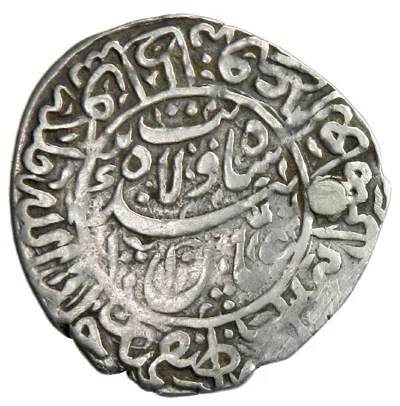
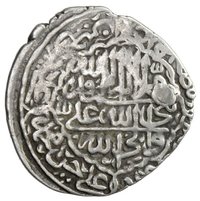
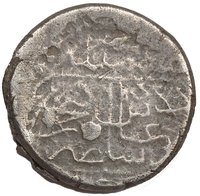
Obverse
Description:
Royal mint inscription with date.
Inscription:
بنده شاه ولایت عباس
خلدالله ملکه و سلطانه و علی العالمین بره و احسانه
ضرب اصفهان
خلدالله ملکه و سلطانه و علی العالمین بره و احسانه
ضرب اصفهان
Script: Persian
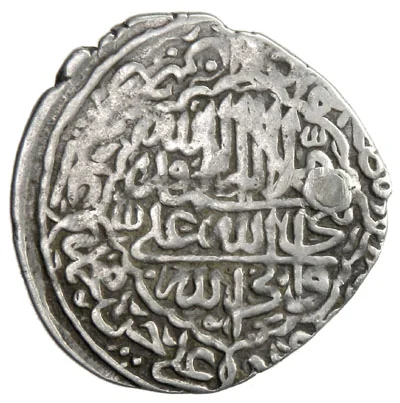
Reverse
Description:
Shi'ite kalima encircled by the names of the twelve imams.
Inscription:
لا اله الا الله محمد رسول الله علی ولی الله
علی حسن حسین علی محمد جعفر موسی علی محمد علی حسن محمد
علی حسن حسین علی محمد جعفر موسی علی محمد علی حسن محمد
Script: Persian
Edge
Plain
Mints
| Name | Mark |
|---|---|
| Isfahan | اصفهان |
Mintings
| Year | Mint Mark | Mintage | Quality | Collection |
|---|---|---|---|---|
| 1602 | — | — | ||
| 1613 | — | — | ||
| 1624 | — | — | ||
| 1625 | — | — |
Historical background
In 1602, Iran was under the rule of Shah Abbas I of the Safavid dynasty, a period marked by significant centralization, military reform, and economic expansion. The currency situation was a direct reflection of his ambitious state-building projects. The primary monetary unit was the silver abbasi (named for the Shah), alongside the mohammadī and the shāhī, with a theoretical value of 200 dinars. However, the system was not uniform; a plethora of old and regional coins, including Ottoman and European currencies from trade, circulated alongside official issues, creating a complex and often chaotic monetary environment.
The key challenge was a severe shortage of precious metals, particularly silver. Iran lacked substantial domestic silver mines, making the state dependent on imports. Bullion flowed in primarily from trade with the Ottoman Empire and, increasingly, European maritime companies like the English and Dutch East India Companies. This reliance made the currency vulnerable to external trade imbalances and the whims of foreign merchants. Furthermore, the government's high military and architectural expenditures, funded by heavy taxation and occasional debasement, placed constant pressure on the currency's stability and value.
Despite these challenges, 1602 fell within a period of relative monetary stability compared to the decades before and after. Shah Abbas had recently reformed the coinage early in his reign, standardizing weights and designs to bolster state authority and economic confidence. His establishment of a royal monopoly over the silk trade, finalized around this time, was designed to generate a direct stream of silver into the royal treasury to support the currency. Thus, the situation in 1602 was one of managed tension—a system underpinned by long-distance trade and strong central control, yet fundamentally fragile due to its external dependencies and the relentless financial demands of the Safavid imperial project.
The key challenge was a severe shortage of precious metals, particularly silver. Iran lacked substantial domestic silver mines, making the state dependent on imports. Bullion flowed in primarily from trade with the Ottoman Empire and, increasingly, European maritime companies like the English and Dutch East India Companies. This reliance made the currency vulnerable to external trade imbalances and the whims of foreign merchants. Furthermore, the government's high military and architectural expenditures, funded by heavy taxation and occasional debasement, placed constant pressure on the currency's stability and value.
Despite these challenges, 1602 fell within a period of relative monetary stability compared to the decades before and after. Shah Abbas had recently reformed the coinage early in his reign, standardizing weights and designs to bolster state authority and economic confidence. His establishment of a royal monopoly over the silk trade, finalized around this time, was designed to generate a direct stream of silver into the royal treasury to support the currency. Thus, the situation in 1602 was one of managed tension—a system underpinned by long-distance trade and strong central control, yet fundamentally fragile due to its external dependencies and the relentless financial demands of the Safavid imperial project.
✨ Legendary