

Iran
Context
Material
Diameter: 21 mm
Weight: 7.74 g
Silver weight: 7.74 g
Thickness: 2 mm
Shape: Irregular round
Composition: Silver
Standard: Silver quarter ounce
Magnetic: No
Technique: Hammered
References
KM: #Click to copy to clipboard114.19
Numista: #426991
Value
Bullion value: $22.00
Obverse
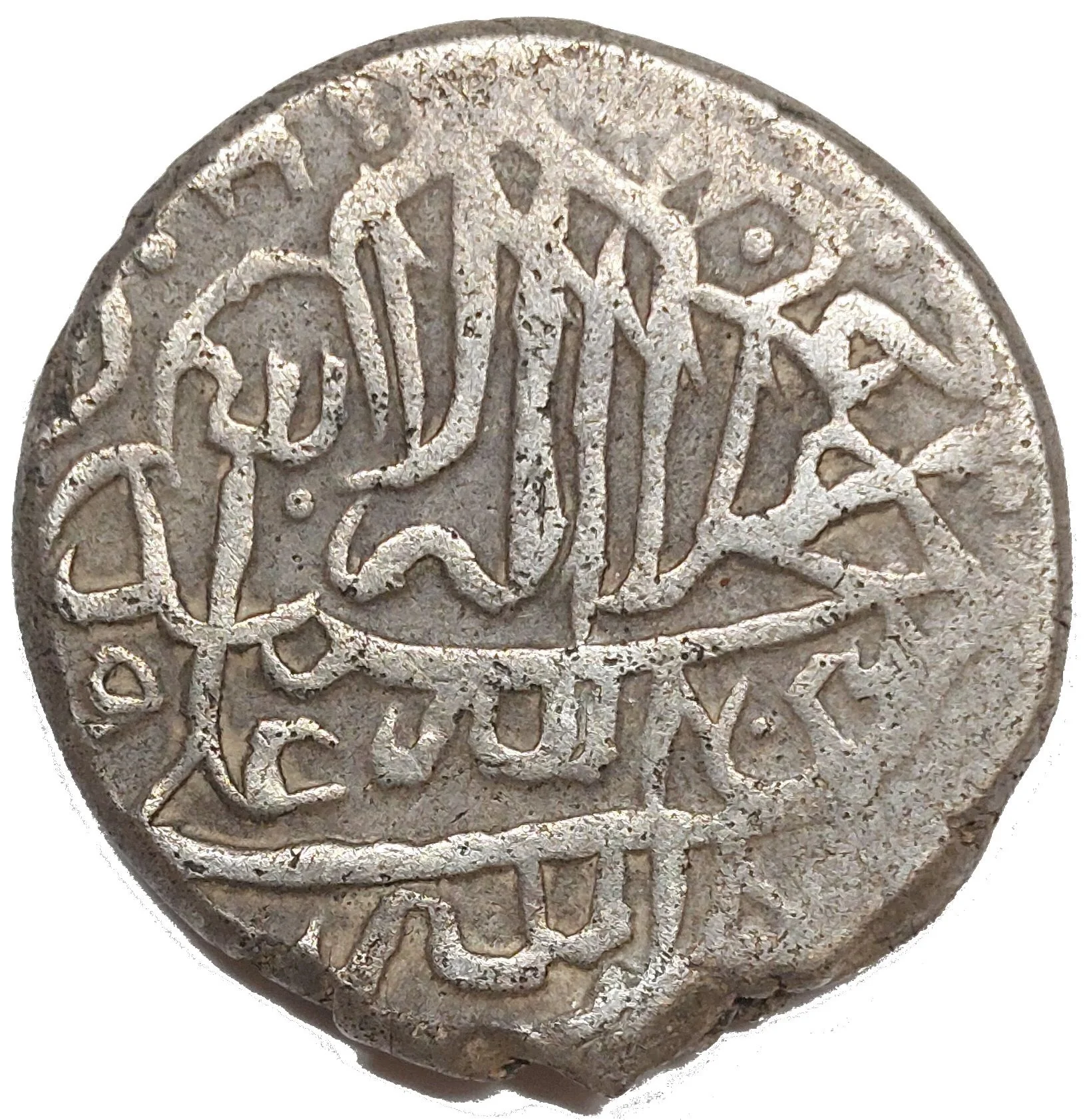
Description:
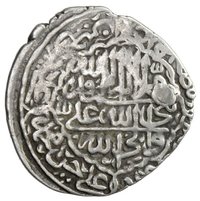
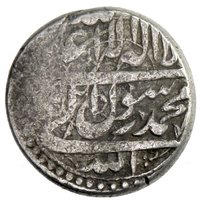
Shi'ite kalima in a wavy-sided diamond, encircled by the twelve Imams' names.
Inscription:
لا اله الا الله محمد رسول الله علی ولی الله
Script: Persian
Reverse
Description:
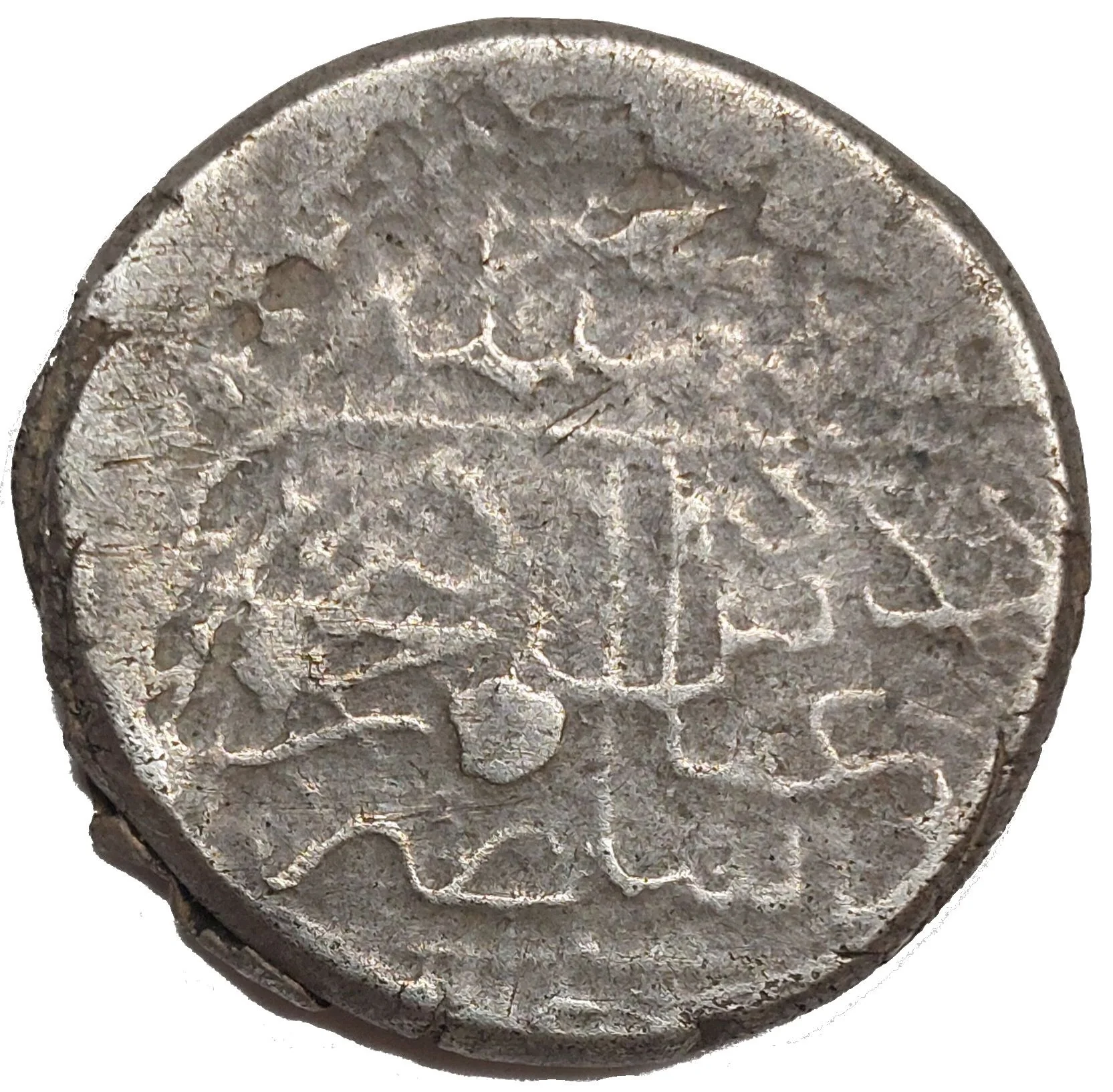
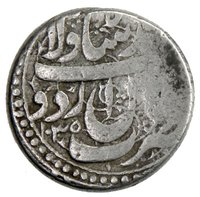
Mint and date in oblong cartouche.
Inscription:
بنده شاه ولایت عباس
ضرب گنجه
ضرب گنجه
Script: Persian
Edge
Plain
Mints
| Name | Mark |
|---|---|
| Ganja | — |
Mintings
| Year | Mint Mark | Mintage | Quality | Collection |
|---|---|---|---|---|
| 1605 | — | — | ||
| 1611 | — | — | ||
| 1614 | — | — | ||
| 1623 | — | — | ||
| 1626 | — | — |
Historical background
In 1605, Iran was under the rule of Shah Abbas I of the Safavid dynasty, a period marked by political consolidation, economic expansion, and vibrant international trade. The currency system was a bimetallic one, primarily based on the silver ʿabbāsī (worth 200 dinars) and the gold tūmān (a unit of account worth 10,000 dinars or 50 ʿabbāsī). The most commonly minted and circulated coin was the silver ʿabbāsī, which Shah Abbas had recently reformed and standardized to enhance its purity and reliability, directly tying its name and value to his reign. These coins were struck at mints across the empire, including in the new capital of Isfahan, which was rapidly becoming a major commercial hub on the Silk Road.
The currency situation was fundamentally shaped by Iran's position in global bullion flows. A significant challenge was the chronic shortage of precious metals, particularly silver, within Iran's own borders. This deficit was offset by a favorable balance of trade, especially with the Mughal Empire to the east and the Ottoman Empire to the west. Silver imported from Europe and the New World, often via Ottoman territories, and gold from Mughal India flowed into Iran in exchange for its lucrative exports: silk (a state monopoly), carpets, textiles, and spices. The state actively managed this flow, with royal mints converting imported bullion into Safavid coinage, thereby asserting economic sovereignty and financing the Shah's ambitious infrastructure and military projects.
Despite the centralized reforms, the monetary system faced practical complexities. Various older and regional coins, such as the shāhī (50 dinars) and foreign currencies like Ottoman and Mughal coins, remained in circulation, especially in border regions and major trading cities. Furthermore, the value of coins depended not just on their face value but also on their weight and actual metal content, leading to occasional market adjustments and the practice of clipping. Overall, in 1605, Iran's currency was relatively stable and credible—a key instrument of Shah Abbas's state-building that facilitated both domestic administration and Iran's integration into the early modern global economy.
The currency situation was fundamentally shaped by Iran's position in global bullion flows. A significant challenge was the chronic shortage of precious metals, particularly silver, within Iran's own borders. This deficit was offset by a favorable balance of trade, especially with the Mughal Empire to the east and the Ottoman Empire to the west. Silver imported from Europe and the New World, often via Ottoman territories, and gold from Mughal India flowed into Iran in exchange for its lucrative exports: silk (a state monopoly), carpets, textiles, and spices. The state actively managed this flow, with royal mints converting imported bullion into Safavid coinage, thereby asserting economic sovereignty and financing the Shah's ambitious infrastructure and military projects.
Despite the centralized reforms, the monetary system faced practical complexities. Various older and regional coins, such as the shāhī (50 dinars) and foreign currencies like Ottoman and Mughal coins, remained in circulation, especially in border regions and major trading cities. Furthermore, the value of coins depended not just on their face value but also on their weight and actual metal content, leading to occasional market adjustments and the practice of clipping. Overall, in 1605, Iran's currency was relatively stable and credible—a key instrument of Shah Abbas's state-building that facilitated both domestic administration and Iran's integration into the early modern global economy.
✨ Legendary