

Iran
Material
Weight: 1.89 g
Silver weight: 1.89 g
Shape: Irregular round
Composition: Silver
Magnetic: No
Technique: Hammered
References
KM: #Click to copy to clipboard112.2
Numista: #438976
Value
Bullion value: $5.47
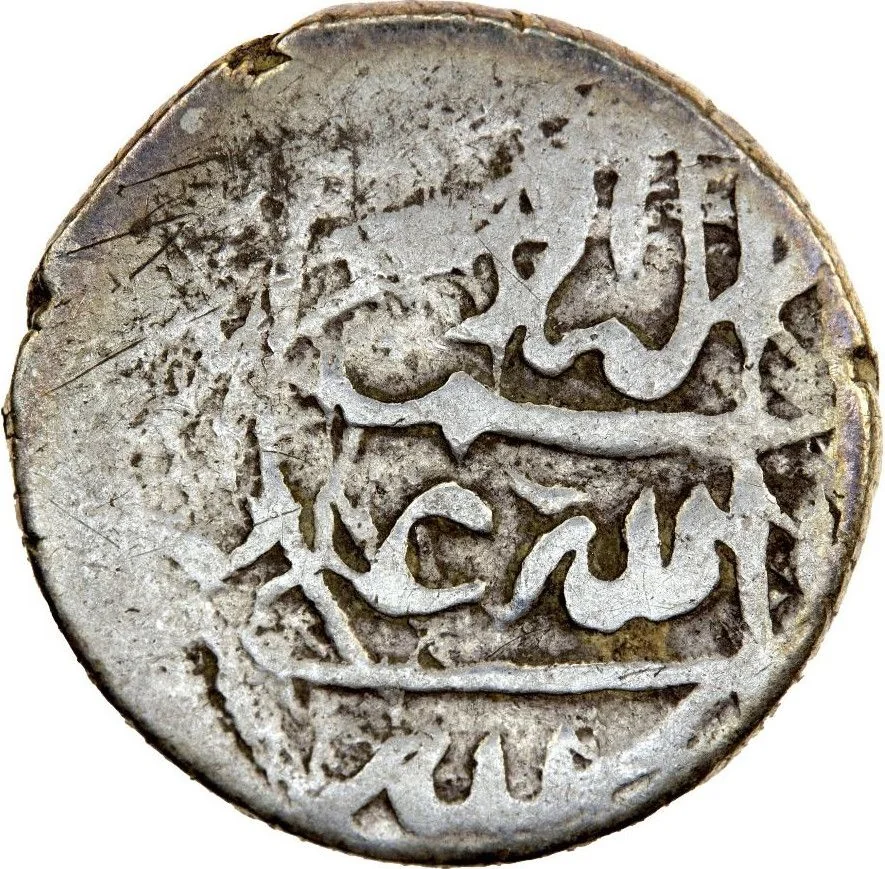
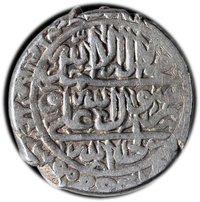
Obverse
Description:
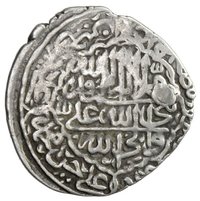
Kalima encircled by the twelve imams' names.
Inscription:
لا اله الا الله محمد نبی الله علی ولی الله
Script: Persian (nastaliq)
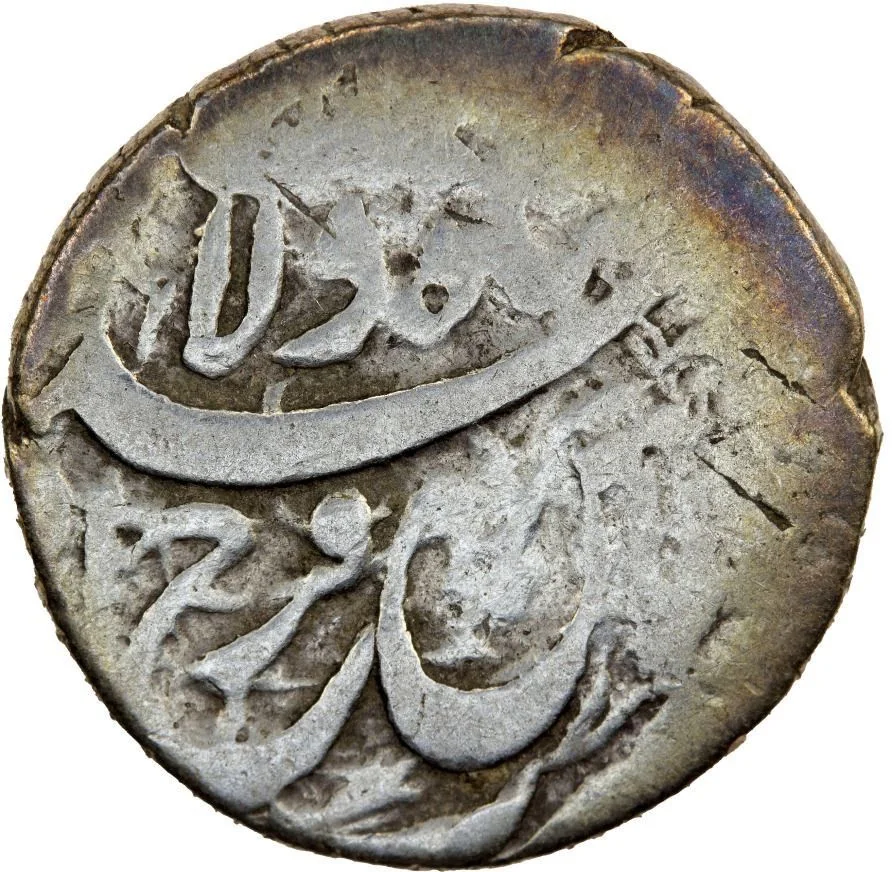
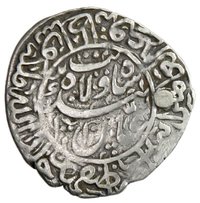
Reverse
Inscription:
بنده شاه ولایت عباس
فرحآباد ضرب
فرحآباد ضرب
Script: Persian (nastaliq)
Edge
Mintings
| Year | Mint Mark | Mintage | Quality | Collection |
|---|---|---|---|---|
| — | — | — |
Historical background
In 1597, the Safavid Empire under Shah Abbas I (r. 1588-1629) was in a period of profound military and economic transformation, which directly impacted its currency. The state treasury had been strained by prolonged wars with the Ottoman Empire to the west and the Uzbek Khanate to the northeast. Furthermore, the internal economy was grappling with the disruptive effects of the Shah's ongoing military reforms, including the costly creation of a new standing army (the ghulams) and the relocation of populations, which disrupted agricultural and trade patterns. These pressures led to significant fluctuations in the value and supply of the primary silver coin, the abbasi (named for the Shah), and its fractional units.
The monetary system itself was bimetallic, relying on silver and copper. The silver abbasi was the cornerstone of larger transactions and state finance, while copper dangs and shahis facilitated everyday local trade. A critical problem in 1597 was the scarcity of silver, exacerbated by Safavid conflicts interrupting trade routes and limiting access to foreign bullion. This often led to the debasement of coinage—reducing the silver content—to stretch state resources, which in turn fueled inflation and eroded public trust in the currency. Counterfeiting was also a chronic issue that further destabilized the market.
Despite these challenges, 1597 fell within a pivotal decade of recovery and centralization. Shah Abbas, having recently secured his borders through diplomacy and force, was beginning to implement ambitious economic reforms. He centralized mint operations to standardize coinage and actively promoted the Silk Road trade, particularly through his developing new capital at Isfahan, to attract precious metals. Therefore, the currency situation in 1597 can be characterized as one of strain from recent conflicts, but on the cusp of deliberate state intervention aimed at creating a more stable and prosperous monetary system to fund the empire's ambitions.
The monetary system itself was bimetallic, relying on silver and copper. The silver abbasi was the cornerstone of larger transactions and state finance, while copper dangs and shahis facilitated everyday local trade. A critical problem in 1597 was the scarcity of silver, exacerbated by Safavid conflicts interrupting trade routes and limiting access to foreign bullion. This often led to the debasement of coinage—reducing the silver content—to stretch state resources, which in turn fueled inflation and eroded public trust in the currency. Counterfeiting was also a chronic issue that further destabilized the market.
Despite these challenges, 1597 fell within a pivotal decade of recovery and centralization. Shah Abbas, having recently secured his borders through diplomacy and force, was beginning to implement ambitious economic reforms. He centralized mint operations to standardize coinage and actively promoted the Silk Road trade, particularly through his developing new capital at Isfahan, to attract precious metals. Therefore, the currency situation in 1597 can be characterized as one of strain from recent conflicts, but on the cusp of deliberate state intervention aimed at creating a more stable and prosperous monetary system to fund the empire's ambitions.
✨ Legendary