

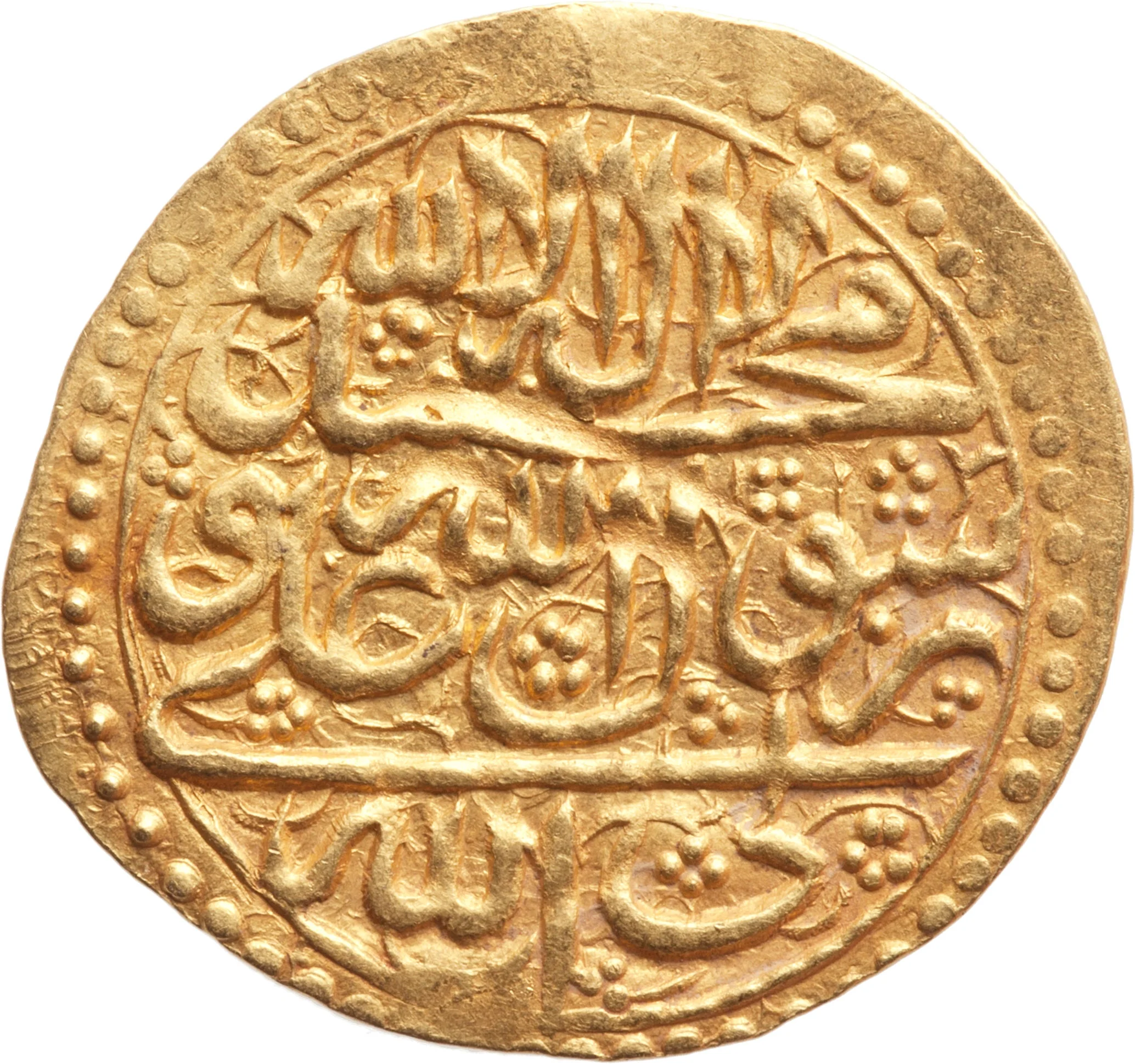
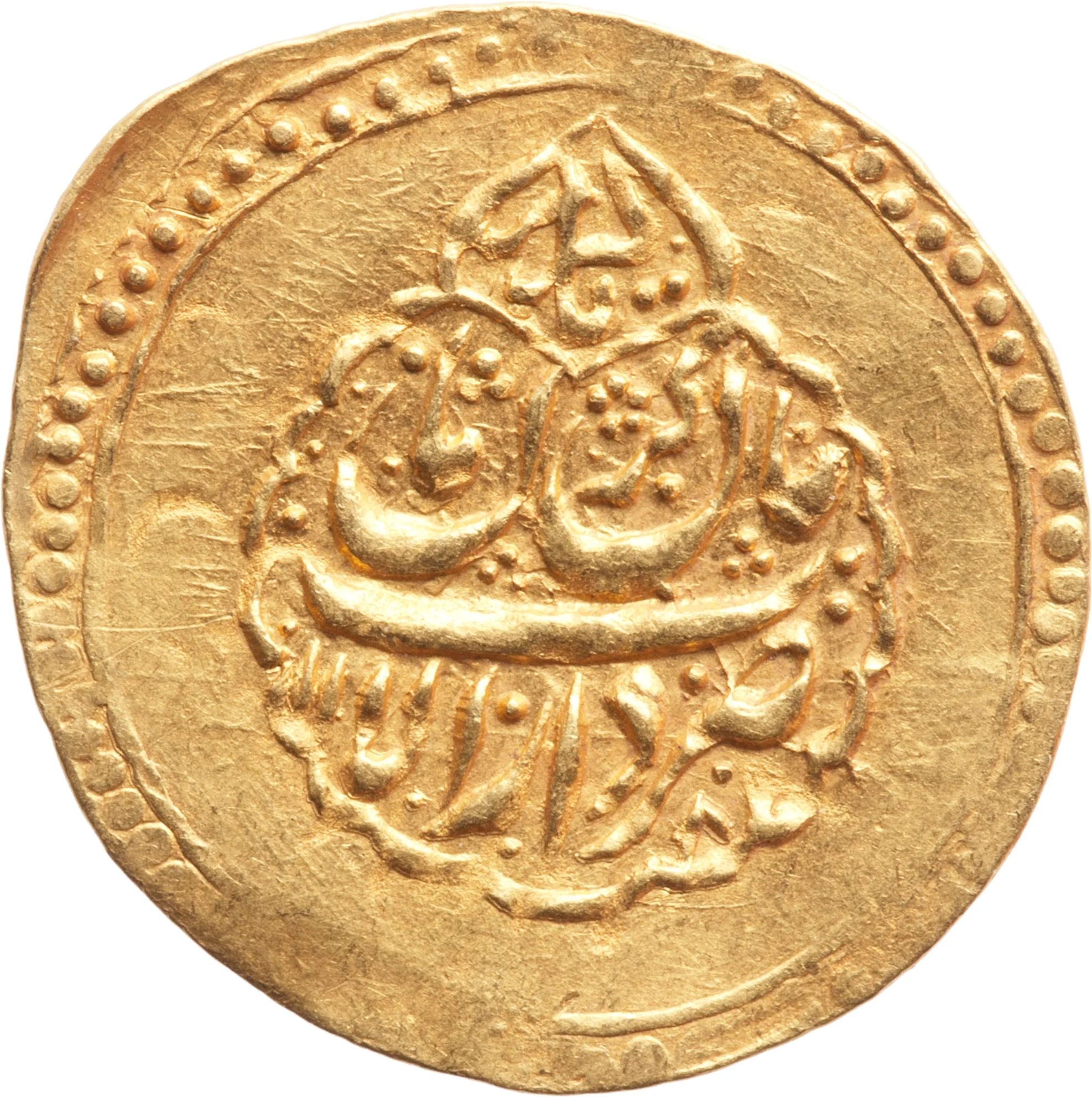
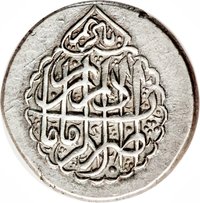
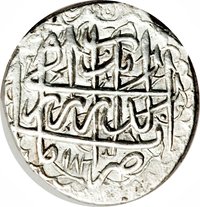
Obverse
Description:
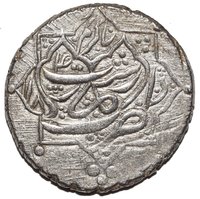
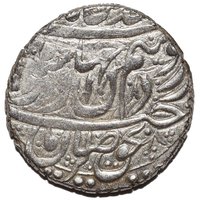
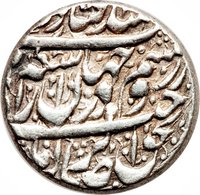
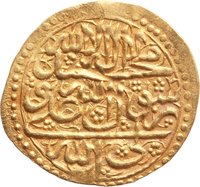
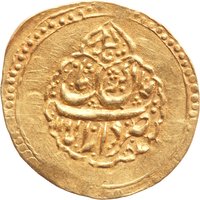
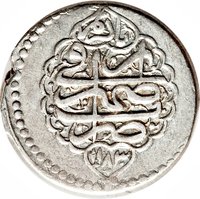
Karim Dar Al-Aman, minted in Kerman.
Inscription:
یا کریم
ضرب دارالامان کرمان
ضرب دارالامان کرمان
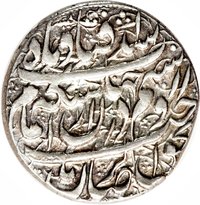
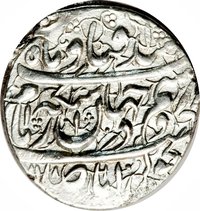
Reverse
Description:
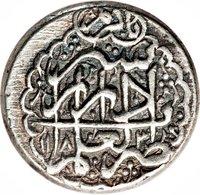
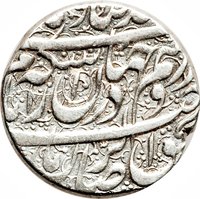
Shi'a declaration of faith in three lines.
Inscription:
لا اله الا الله
محمد رسول الله
علی ولی الله
محمد رسول الله
علی ولی الله
Edge
Plain
Mints
| Name | Mark |
|---|---|
| Kerman | کرمان |
Mintings
| Year | Mint Mark | Mintage | Quality | Collection |
|---|---|---|---|---|
| 1767 | — | — |
Historical background
In 1767, Iran was in a state of profound monetary instability and economic decline, a direct consequence of the collapse of the Safavid Empire in 1722. The subsequent decades of civil war, foreign invasion, and fragmented rule had devastated the country's economic infrastructure. The once-reliable silver abbasi coin, the standard currency of the Safavid era, had become severely debased and inconsistent in weight and purity. Various regional khans and transient rulers, including Nader Shah's successors after his assassination in 1747, minted their own coins, leading to a chaotic multiplicity of currencies with no unified standard across the fractured realm.
This period, often referred to as the "Interregnum" between the Afsharid and Zand dynasties, saw power contested between Karim Khan Zand in Shiraz, the Qajars in the north, and Azad Khan Afghan in the northwest. Each authority issued coinage to finance their military campaigns and assert sovereignty, but none could enforce a national monetary system. The result was a severe loss of public confidence in coinage; transactions were often conducted by weighing silver bullion (num) rather than trusting stamped coins, and barter became increasingly common in rural areas. Trade, both domestic and international, was severely hampered by this uncertainty.
The situation began a slow turn towards stabilization later in the 1760s as Karim Khan Zand consolidated control over much of central and southern Iran, establishing Shiraz as his capital. While full monetary reform would not be realized until later in his rule, his growing authority provided a measure of political stability that was a prerequisite for economic recovery. By 1767, the groundwork was being laid for a return to a more centralized minting authority, which would eventually lead to the issuance of more reliable silver coinage, though the nation's currency would remain fragile and localized for years to come.
This period, often referred to as the "Interregnum" between the Afsharid and Zand dynasties, saw power contested between Karim Khan Zand in Shiraz, the Qajars in the north, and Azad Khan Afghan in the northwest. Each authority issued coinage to finance their military campaigns and assert sovereignty, but none could enforce a national monetary system. The result was a severe loss of public confidence in coinage; transactions were often conducted by weighing silver bullion (num) rather than trusting stamped coins, and barter became increasingly common in rural areas. Trade, both domestic and international, was severely hampered by this uncertainty.
The situation began a slow turn towards stabilization later in the 1760s as Karim Khan Zand consolidated control over much of central and southern Iran, establishing Shiraz as his capital. While full monetary reform would not be realized until later in his rule, his growing authority provided a measure of political stability that was a prerequisite for economic recovery. By 1767, the groundwork was being laid for a return to a more centralized minting authority, which would eventually lead to the issuance of more reliable silver coinage, though the nation's currency would remain fragile and localized for years to come.
Series: 1767 Iran circulation coins
✨ Legendary