

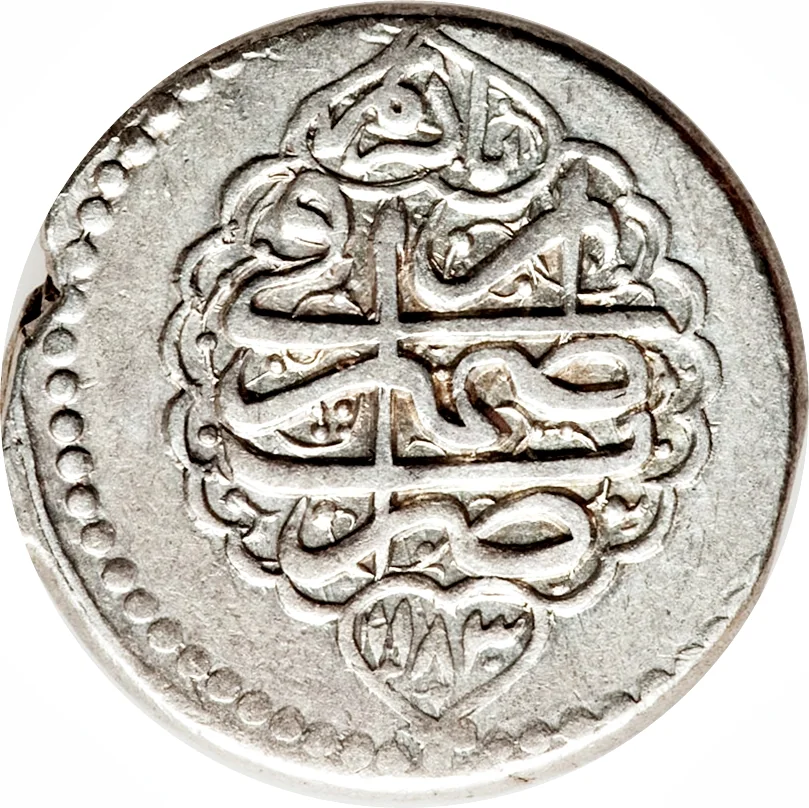
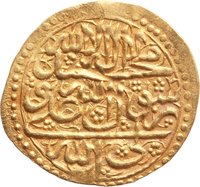
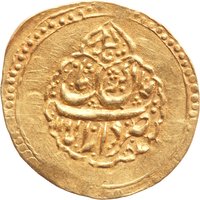
Obverse
Inscription:
یا کریم
ضرب فی طهران
۱۱۸۳
ضرب فی طهران
۱۱۸۳
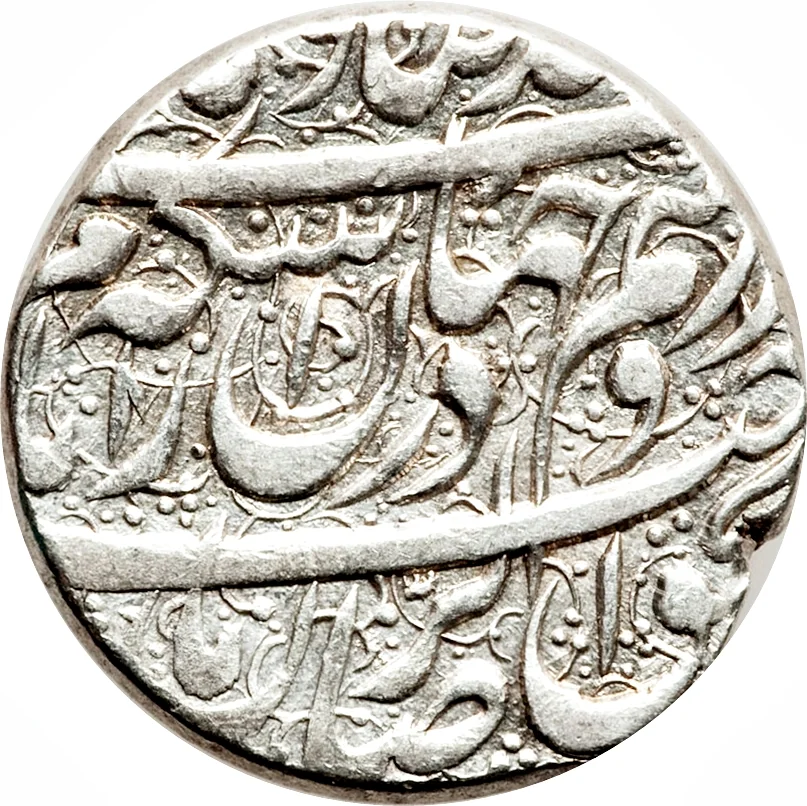
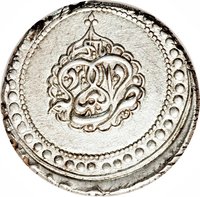
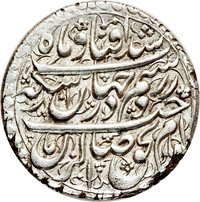
Reverse
Inscription:
شد آفتاب و ماه زر و سیم در جهان
از سکه امام بحق صاحب الزمان
از سکه امام بحق صاحب الزمان
Edge
Plain
Mints
| Name | Mark |
|---|---|
| Tehran | — |
Mintings
| Year | Mint Mark | Mintage | Quality | Collection |
|---|---|---|---|---|
| 1769 | — | — | ||
| 1770 | — | — | ||
| 1773 | — | — |
Historical background
In 1769, Iran's currency system was in a state of severe crisis, a direct consequence of the political and military turmoil following the collapse of the Safavid dynasty in 1722. The country was fractured under the rule of competing regional powers, most notably Karim Khan Zand, who controlled much of the south and west from Shiraz, and various tribal chieftains elsewhere. This decentralization meant there was no single authority to guarantee the value or purity of coinage, leading to a proliferation of mints producing coins of wildly inconsistent weight and silver content. The fundamental unit, the silver abbasi, had become debased and unreliable, crippling long-distance trade and creating widespread economic uncertainty.
The monetary chaos was exacerbated by a critical shortage of precious metals. Decades of war, including the devastating Afghan invasion and subsequent conflicts, had drained the treasury and disrupted the mining of silver from domestic sources like the mines of Anatolia and the Caucasus, which were often outside central control. Furthermore, the instability severely hampered Iran's traditional role in the trans-Eurasian trade routes, reducing the inflow of foreign silver that had historically sustained the coinage. This scarcity of bullion forced rulers to stretch available metal by further debasement, creating a vicious cycle of inflation and loss of public trust in the currency.
For the common population and merchants, daily economic life was fraught with difficulty. Transactions required careful weighing and assaying of coins, and prices were unstable. The lack of a uniform, trusted currency stifled commerce beyond local markets and encouraged a retreat to barter economies in many regions. While Karim Khan Zand, ruling from Shiraz, attempted to bring stability and is noted for issuing coins of relatively better quality in his domain, his authority did not extend nationwide. Therefore, in 1769, Iran's monetary system remained a fragmented and unreliable patchwork, reflecting the broader struggle to reunify the nation and restore a functioning state economy.
The monetary chaos was exacerbated by a critical shortage of precious metals. Decades of war, including the devastating Afghan invasion and subsequent conflicts, had drained the treasury and disrupted the mining of silver from domestic sources like the mines of Anatolia and the Caucasus, which were often outside central control. Furthermore, the instability severely hampered Iran's traditional role in the trans-Eurasian trade routes, reducing the inflow of foreign silver that had historically sustained the coinage. This scarcity of bullion forced rulers to stretch available metal by further debasement, creating a vicious cycle of inflation and loss of public trust in the currency.
For the common population and merchants, daily economic life was fraught with difficulty. Transactions required careful weighing and assaying of coins, and prices were unstable. The lack of a uniform, trusted currency stifled commerce beyond local markets and encouraged a retreat to barter economies in many regions. While Karim Khan Zand, ruling from Shiraz, attempted to bring stability and is noted for issuing coins of relatively better quality in his domain, his authority did not extend nationwide. Therefore, in 1769, Iran's monetary system remained a fragmented and unreliable patchwork, reflecting the broader struggle to reunify the nation and restore a functioning state economy.
✨ Legendary