

2 Speciedaler – Norway
Norway
Context

Material
References
KM: #Click to copy to clipboard44
Numista: #118193
Value
Bullion value: $145.76
Obverse
Description:
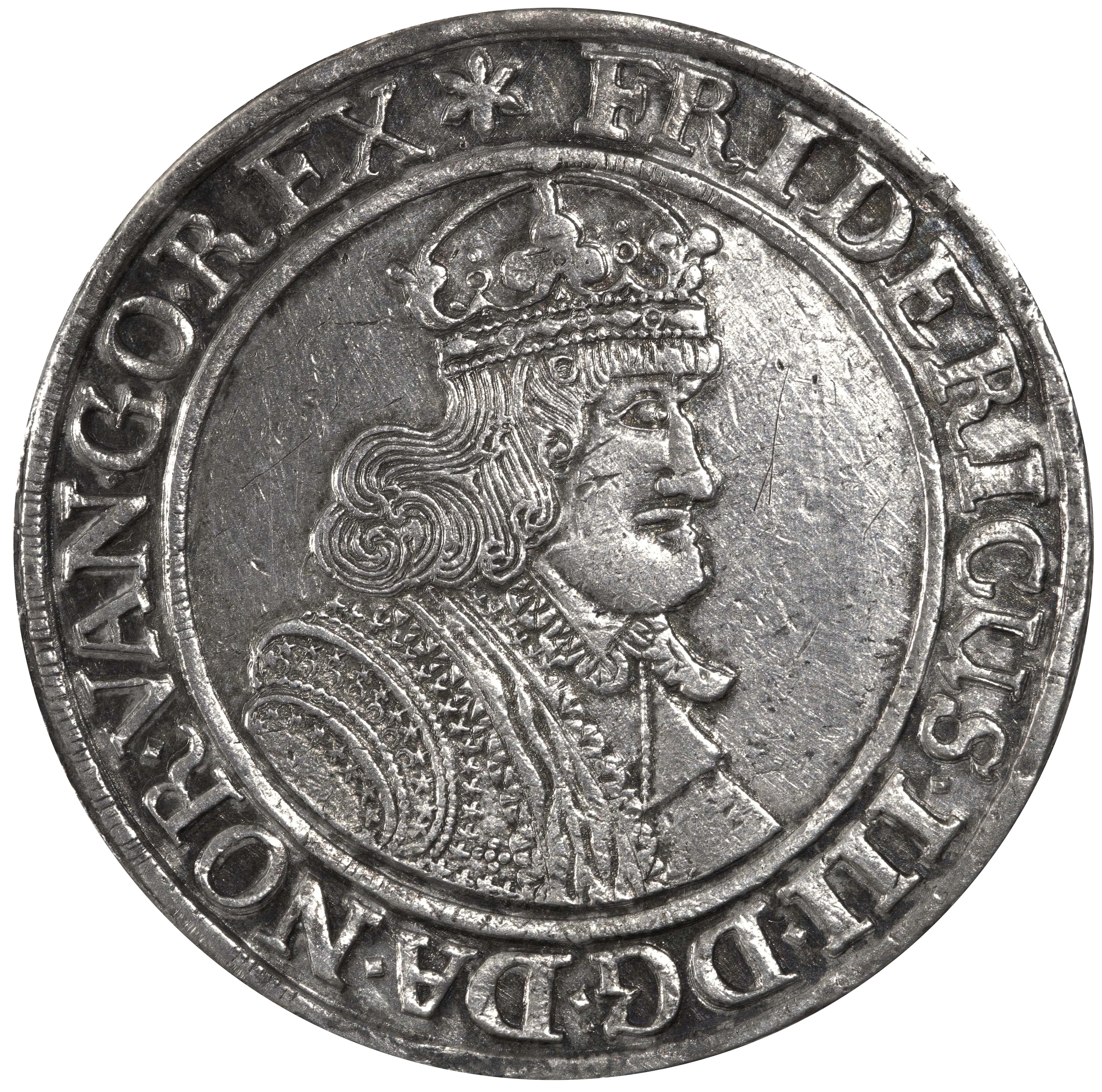
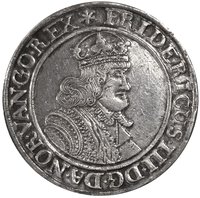
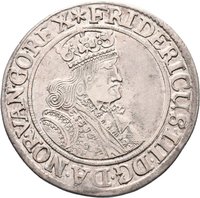
Right-facing armored bust of Frederick III with long hair, crowned, within a beaded circle. Inscription around, beaded rim.
Inscription:
FRIDERICUS·III·DG·DA·NOR·VAN·GO·REX✽
Script: Latin
Engraver: Hans zum Busch
Reverse
Description:
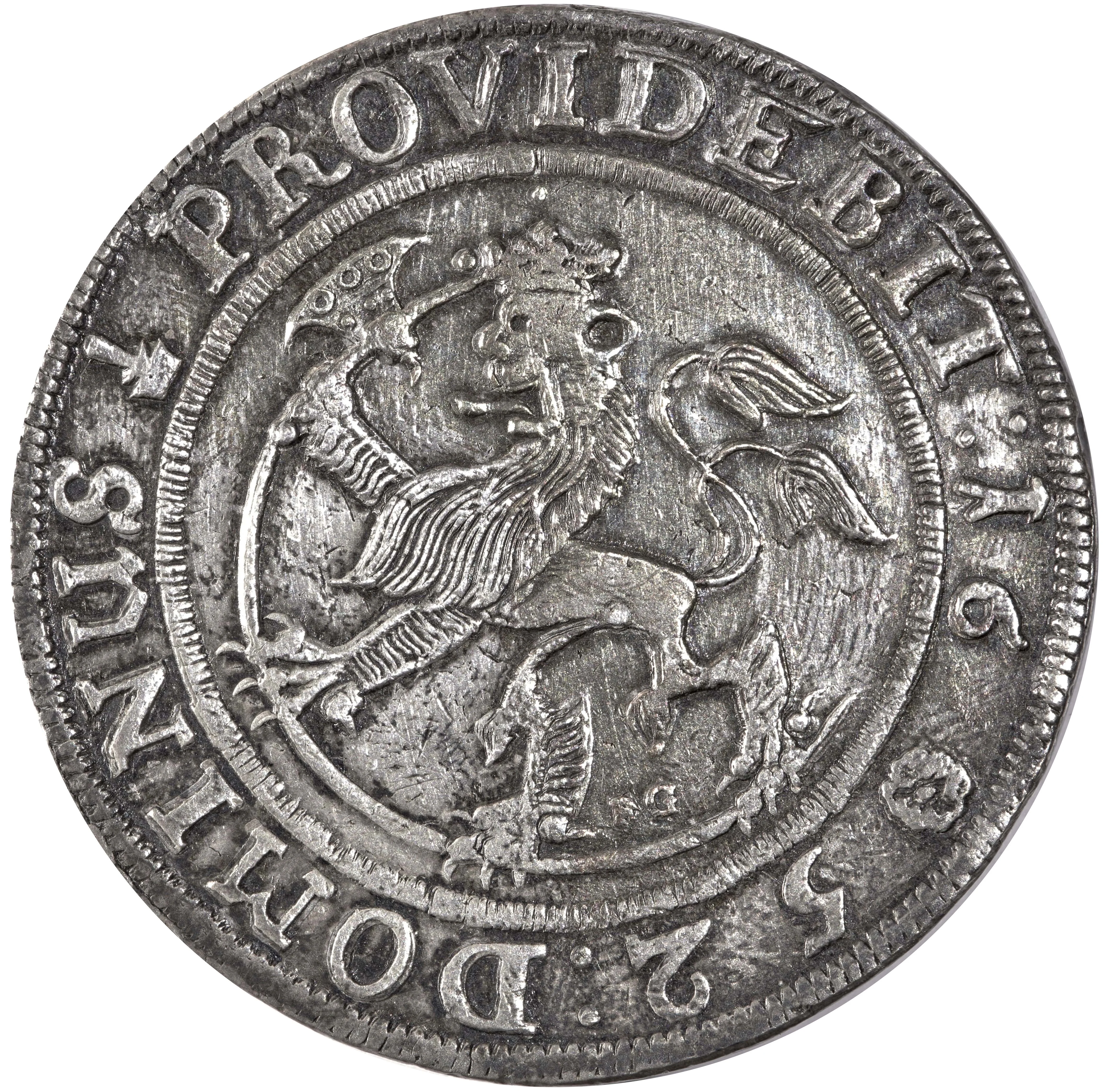
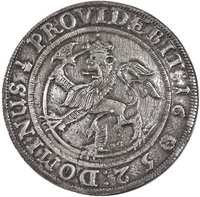
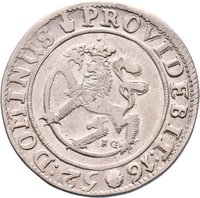
A crowned two-tailed lion rampant left, holding a curved halberd, within a beaded ring and inscription.
Inscription:
:DOMINUS (mm) PROVIDEBIT:16🏵52
FG
FG
Script: Latin
Edge
Plain.
Categories
| Animal |
| Person> Monarch |
| Symbol> Crown |
| Symbols> Coat of Arms |
| Object> Cold weapons |
Mints
| Name | Mark |
|---|---|
| Christiania | — |
Mintings
| Year | Mint Mark | Mintage | Quality | Collection |
|---|---|---|---|---|
| 1651 | — | — | ||
| 1652 | — | — |
Historical background
In 1651, Norway was part of the dual monarchy of Denmark-Norway, and its currency situation was complex and troubled. The official currency was the Danish rigsdaler, a large silver coin, but the monetary system was fragmented. A chronic shortage of small change in daily circulation led to the widespread use of fragmented coin clippings, foreign coins (especially German and Dutch), and even commodity money like butter and dried fish in remote areas. This created a chaotic and inefficient economy where the actual value of exchanged money was often uncertain.
The root of the problem lay in the state's fiscal policies. To finance costly wars, the Danish-Norwegian crown repeatedly debased the currency by reducing the silver content in minted coins while ordering them to be accepted at their old face value. This led to Gresham's Law in action: "bad money drives out good." People hoarded the older, purer silver coins or used them for foreign trade, while the newer, inferior coins flooded the domestic market, fueling inflation and eroding public trust in the currency.
Furthermore, Norway suffered from a persistent trade deficit with Denmark, causing an outward drain of silver. This monetary drain exacerbated the coin shortage within Norway itself. While attempts at reform were made, including a 1644 ordinance that established a national bank (Rigsbanken) and introduced a new accounting system based on the rigsdaler, these measures were largely ineffective on the ground in 1651. The situation remained unstable until more comprehensive reforms were implemented later in the century under King Christian V.
The root of the problem lay in the state's fiscal policies. To finance costly wars, the Danish-Norwegian crown repeatedly debased the currency by reducing the silver content in minted coins while ordering them to be accepted at their old face value. This led to Gresham's Law in action: "bad money drives out good." People hoarded the older, purer silver coins or used them for foreign trade, while the newer, inferior coins flooded the domestic market, fueling inflation and eroding public trust in the currency.
Furthermore, Norway suffered from a persistent trade deficit with Denmark, causing an outward drain of silver. This monetary drain exacerbated the coin shortage within Norway itself. While attempts at reform were made, including a 1644 ordinance that established a national bank (Rigsbanken) and introduced a new accounting system based on the rigsdaler, these measures were largely ineffective on the ground in 1651. The situation remained unstable until more comprehensive reforms were implemented later in the century under King Christian V.
Series: 1651 Norway circulation coins

✨ Legendary