

½ speciedaler – Norway
Add to wishlist
Norway
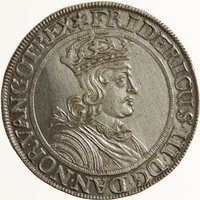
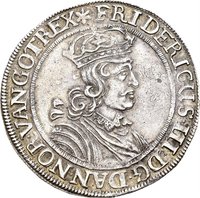
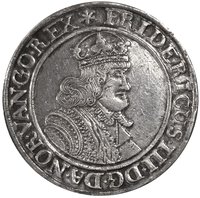
Obverse
Description:
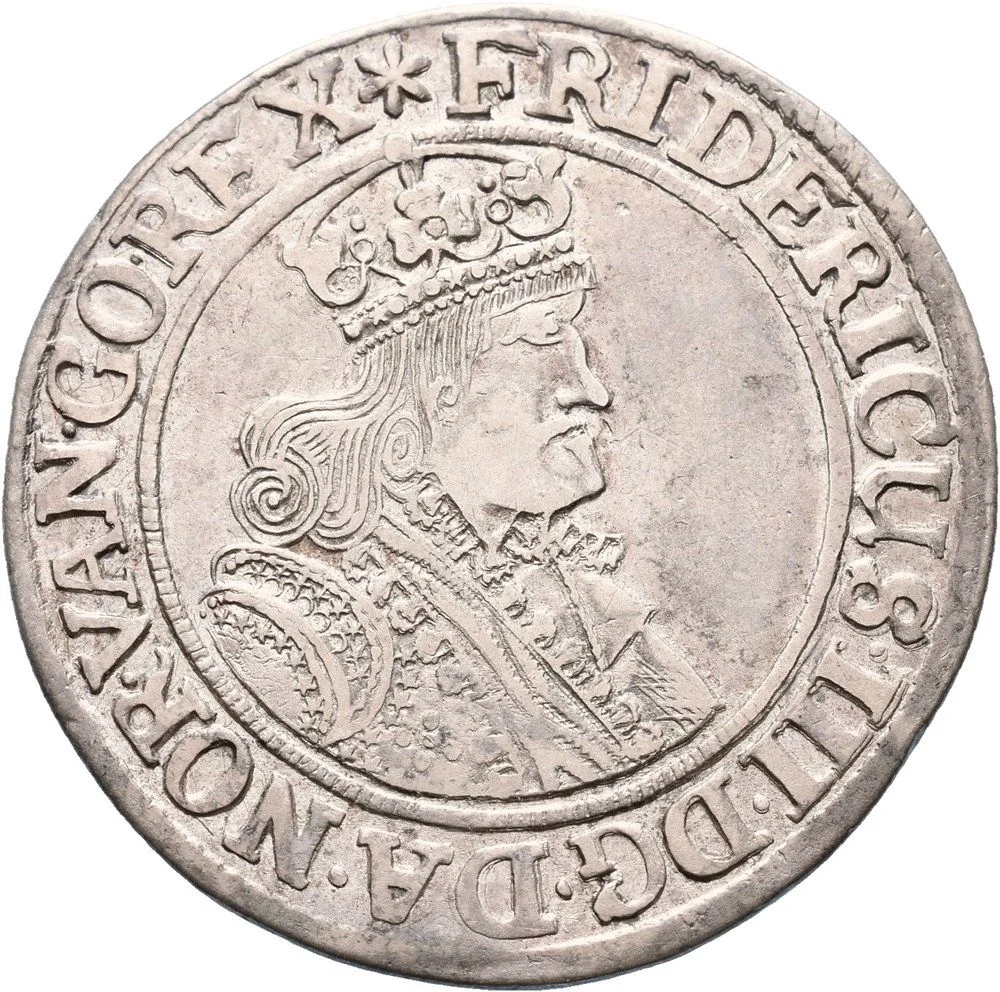
Right-facing armored bust of Frederick III with long hair, crowned, within a beaded circle. Inscription around, beaded rim.
Inscription:
FRIDERICUS·III·DG·DA·NOR·VAN·GO·REX✽
Script: Latin
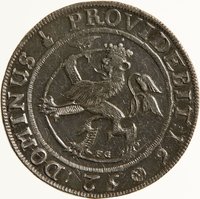
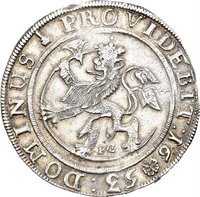
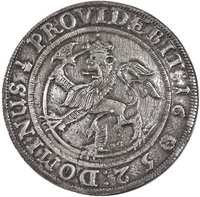
Reverse
Description:
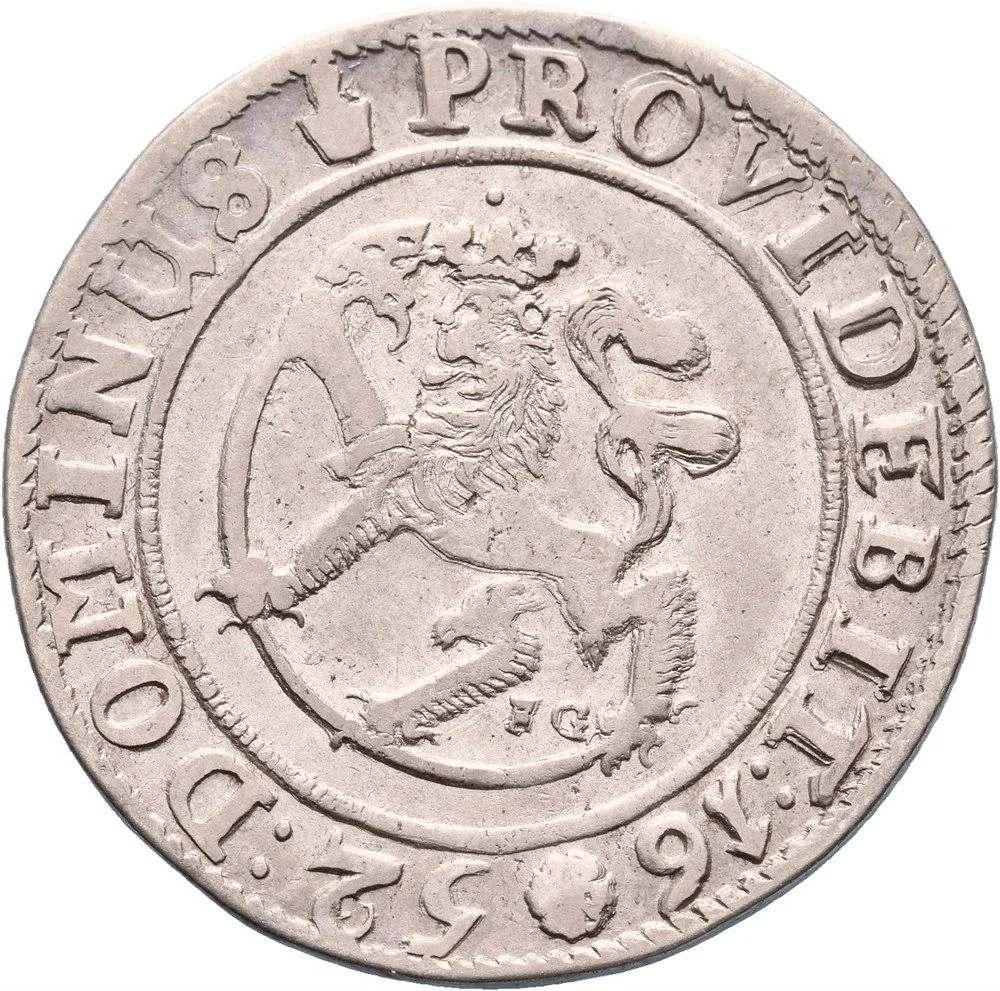
A crowned two-tailed lion rampant left, holding a curved halberd, within a beaded ring and inscription.
Inscription:
:DOMINUS (mm) PROVIDEBIT:16🏵52
FG
FG
Script: Latin
Edge
Plain.
Categories
| Animal |
| Person> Monarch |
| Symbol> Crown |
| Plants> Flower |
| Symbols> Coat of Arms |
| Object> Cold weapons |
Mints
| Name | Mark |
|---|---|
| Christiania | — |
Mintings
| Year | Mint Mark | Mintage | Quality | Collection |
|---|---|---|---|---|
| 1652 | — | — |
Historical background
In 1652, Norway was part of the dual monarchy of Denmark-Norway, and its currency situation was complex and challenging. The primary circulating coin was the Danish rigsdaler, a large silver coin, but its supply was often insufficient for daily trade. This scarcity was exacerbated by Norway's persistent trade deficit with Denmark, which caused silver coins to flow out of the country to settle accounts. Consequently, a wide variety of foreign coins, particularly German and Dutch, circulated alongside clipped and worn domestic coins, leading to confusion over real value.
The monetary system was officially bimetallic (gold and silver), but in practice, transactions were dominated by silver. To address the chronic shortage of small change, the state frequently issued low-value coins made of copper or billon (a base metal alloy). These coins, such as the skilling, were often heavily debased, meaning their intrinsic metal value was far below their face value. This practice, combined with the circulation of foreign coins, created a chaotic and inefficient market where exchange rates fluctuated and trust in the currency was unstable.
This difficult situation was set against the backdrop of the ongoing Kipper und Wipper period in Europe, a time of widespread currency manipulation and debasement. While the worst crises had peaked earlier in the century, the legacy of monetary instability lingered. For Norwegian merchants and farmers, the currency chaos of 1652 meant everyday transactions were fraught with uncertainty, hindering commerce and contributing to broader economic strain within the kingdom, which remained firmly under the fiscal control of the royal court in Copenhagen.
The monetary system was officially bimetallic (gold and silver), but in practice, transactions were dominated by silver. To address the chronic shortage of small change, the state frequently issued low-value coins made of copper or billon (a base metal alloy). These coins, such as the skilling, were often heavily debased, meaning their intrinsic metal value was far below their face value. This practice, combined with the circulation of foreign coins, created a chaotic and inefficient market where exchange rates fluctuated and trust in the currency was unstable.
This difficult situation was set against the backdrop of the ongoing Kipper und Wipper period in Europe, a time of widespread currency manipulation and debasement. While the worst crises had peaked earlier in the century, the legacy of monetary instability lingered. For Norwegian merchants and farmers, the currency chaos of 1652 meant everyday transactions were fraught with uncertainty, hindering commerce and contributing to broader economic strain within the kingdom, which remained firmly under the fiscal control of the royal court in Copenhagen.
✨ Legendary