

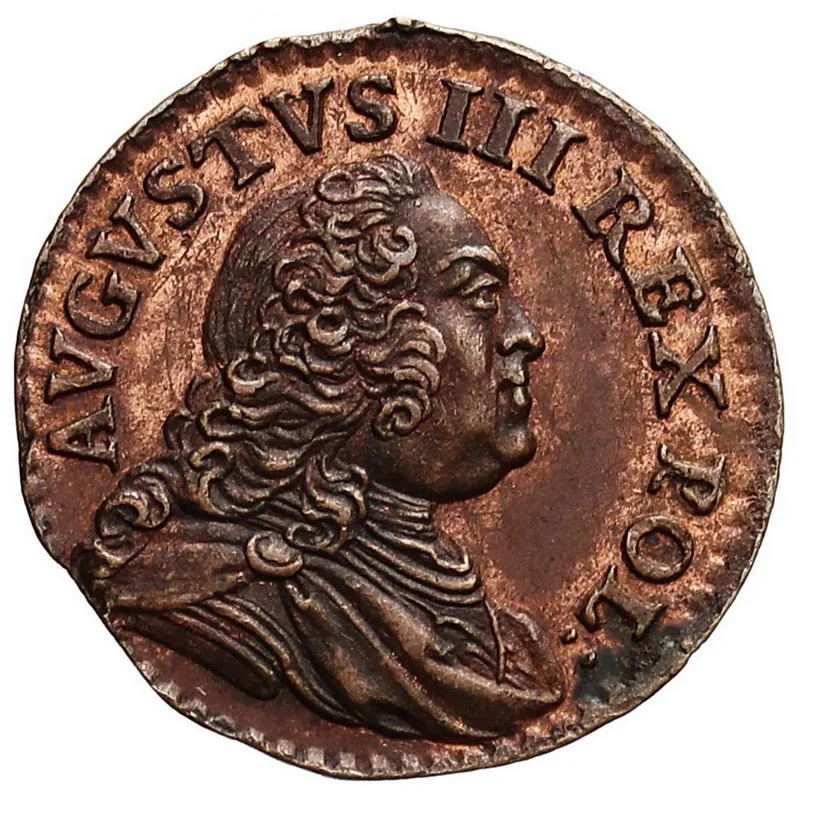
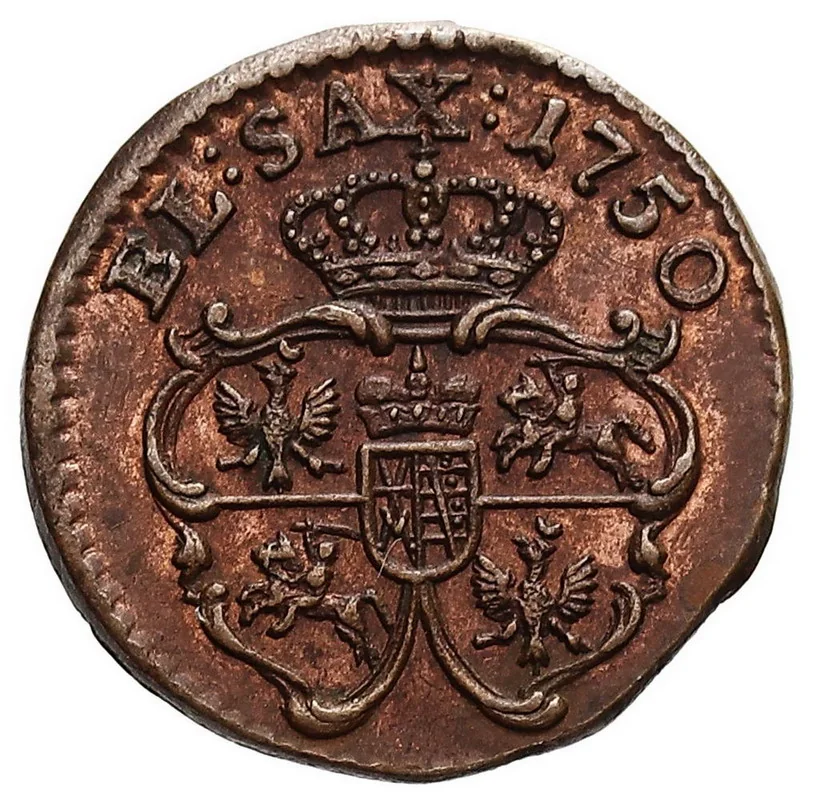
1 schilling – Polish–Lithuanian Commonwealth
Add to wishlist
Poland
Context
Years: 1749–1755
Country: Poland
Issuer: Polish–Lithuanian Commonwealth
Ruler: Augustus III
Currency:
(1573—1795)
Demonetized: Yes
Material
References
KM: #
Numista: #118082
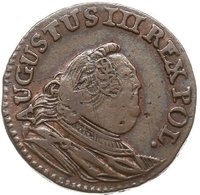
Obverse
Inscription:
AVGVSTVS III REX POL
Script: Latin
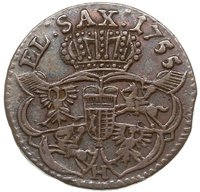
Reverse
Inscription:
EL:SAX:1750
Script: Latin
Edge
Plain
Mints
| Name | Mark |
|---|---|
| Grünthal | — |
Mintings
| Year | Mint Mark | Mintage | Quality | Collection |
|---|---|---|---|---|
| 1749 | — | — | ||
| 1750 | — | — | ||
| 1751 | — | — | ||
| 1752 | — | — | ||
| 1753 | — | — | ||
| 1754 | — | — | ||
| 1755 | — | — |
Historical background
In 1749, the currency situation in the Polish–Lithuanian Commonwealth was one of profound instability and debasement, a direct result of decades of political dysfunction. The primary unit of account was the Polish złoty, but its value was severely undermined by the proliferation of inferior coinage, particularly small-denomination copper szelągs (shillings) and silver coins of lowered fineness. This monetary chaos stemmed from the "liberum veto" and the dominance of provincial sejmiks (local diets), which allowed the nobility (szlachta) to block central fiscal reforms. Consequently, the state treasury was chronically empty, forcing the Commonwealth to lease its minting rights (mennica) to private individuals and foreign powers, who profited by flooding the market with cheap coin.
The immediate catalyst for the mid-18th century crisis was the activity of the Leipzig minting consortium, which held the lease from 1752 but whose preparatory dealings were already influencing the monetary landscape in 1749. This consortium, backed by Saxon and Dutch financiers, was notorious for producing immense quantities of low-value copper szelągs (so-called "tymfy" or "boratynki" from earlier leases) that had little intrinsic worth. The result was a classic example of Gresham's Law, where "bad money drives out good": full-weight silver coins like thalers were hoarded, exported, or melted down, leaving only the debased currency in daily circulation, causing rampant inflation and crippling trade.
This monetary anarchy had severe socioeconomic consequences. Peasants and townspeople, paid in poor coin but often taxed in stable silver equivalents, faced increasing hardship. The confusion of multiple coinages in circulation, each with fluctuating exchange rates, also stifled domestic commerce and international trade. The situation in 1749 thus epitomized the Commonwealth's broader decline, where the nobility's protection of their own privileges at the expense of a strong central government rendered the state incapable of maintaining the most fundamental attribute of sovereignty: a sound and reliable currency.
The immediate catalyst for the mid-18th century crisis was the activity of the Leipzig minting consortium, which held the lease from 1752 but whose preparatory dealings were already influencing the monetary landscape in 1749. This consortium, backed by Saxon and Dutch financiers, was notorious for producing immense quantities of low-value copper szelągs (so-called "tymfy" or "boratynki" from earlier leases) that had little intrinsic worth. The result was a classic example of Gresham's Law, where "bad money drives out good": full-weight silver coins like thalers were hoarded, exported, or melted down, leaving only the debased currency in daily circulation, causing rampant inflation and crippling trade.
This monetary anarchy had severe socioeconomic consequences. Peasants and townspeople, paid in poor coin but often taxed in stable silver equivalents, faced increasing hardship. The confusion of multiple coinages in circulation, each with fluctuating exchange rates, also stifled domestic commerce and international trade. The situation in 1749 thus epitomized the Commonwealth's broader decline, where the nobility's protection of their own privileges at the expense of a strong central government rendered the state incapable of maintaining the most fundamental attribute of sovereignty: a sound and reliable currency.
🌟 Limited