

½ toman – Iran
Add to wishlist
Iran
Context
Material
References
KM: #
Numista: #62002
Value
Bullion value: $628.94
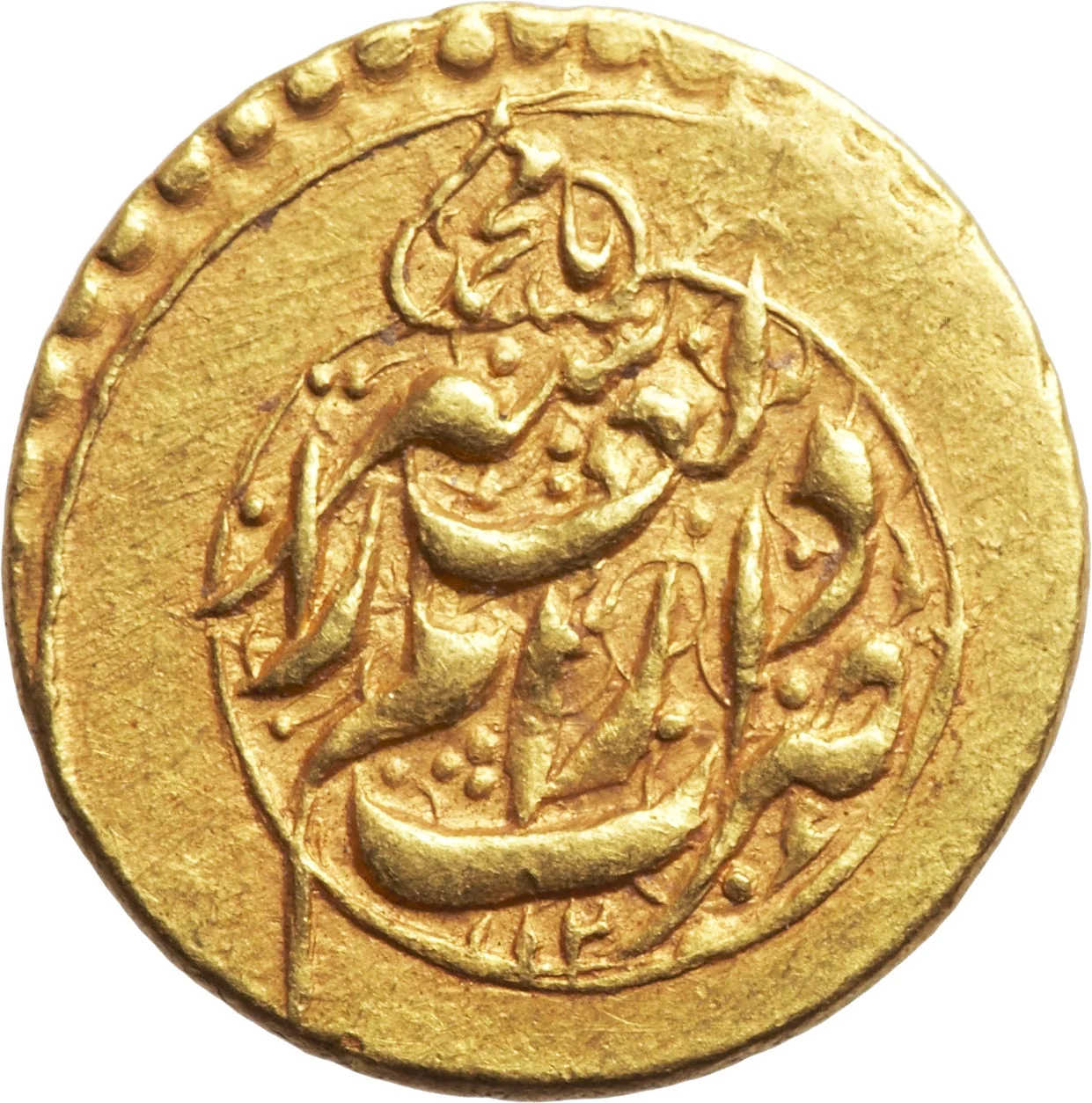
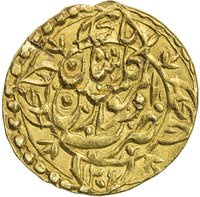
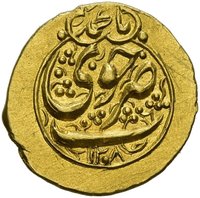
Obverse
Inscription:
یا محمد
ضرب دارالعلم شیراز
۱۲۰۶
ضرب دارالعلم شیراز
۱۲۰۶
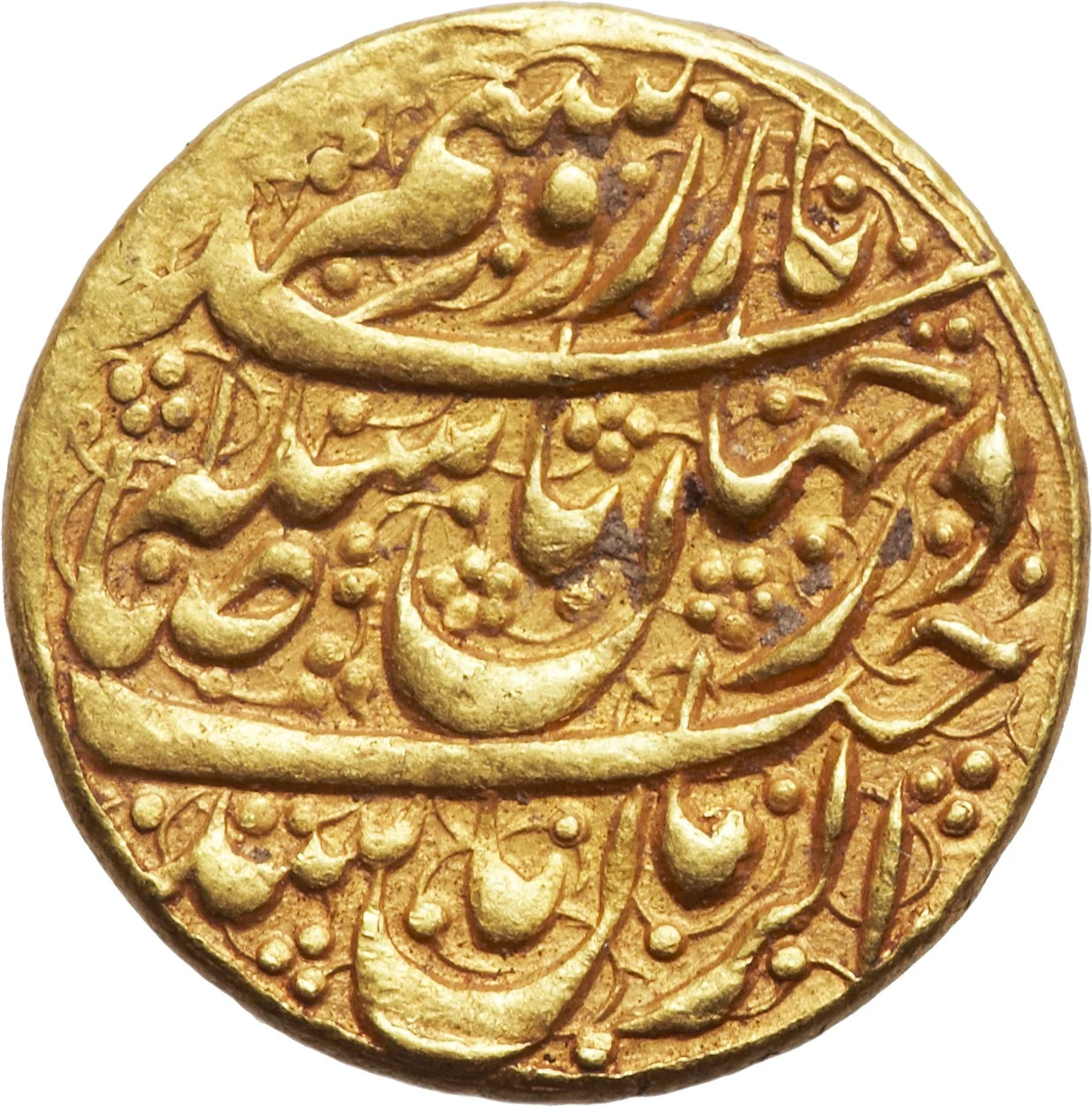
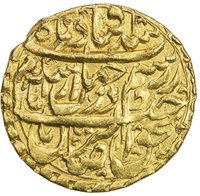
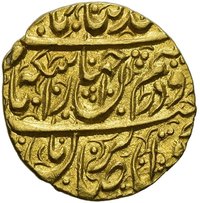
Reverse
Inscription:
شد آفتاب و ماه زر و سیم در جهان
از سکه امام بحق صاحب الزمان
از سکه امام بحق صاحب الزمان
Edge
Plain
Mints
| Name | Mark |
|---|---|
| Shiraz | — |
Mintings
| Year | Mint Mark | Mintage | Quality | Collection |
|---|---|---|---|---|
| 1792 | — | — | ||
| 1795 | — | — |
Historical background
In 1792, Iran was under the rule of the Qajar dynasty, with Agha Mohammad Khan having recently solidified his power by capturing Tehran and declaring himself Shah in 1789. The currency situation reflected a period of profound political instability and economic fragmentation following decades of civil war and foreign invasion. The monetary system was a chaotic patchwork, with various regional mints producing coins of inconsistent weight and purity, and older Safavid-era coins still circulating alongside them. This lack of standardization severely hampered trade and state revenue collection, as the value of currency was highly localized and unreliable.
The primary circulating coins were silver tomans (a unit of account) and qirans (also called rials), as well as copper shahis and dinars for smaller transactions. Gold coins were minted but less common in everyday use. A critical problem was the widespread practice of "clipping," where people would shave slivers of precious metal from the edges of coins, reducing their intrinsic value and further eroding trust in the currency. Furthermore, decades of conflict had disrupted mining and bullion supplies, leading to coin shortages and encouraging debasement by local authorities desperate to fund their operations.
Recognizing that a stable and unified currency was essential for consolidating control and rebuilding the economy, Agha Mohammad Khan initiated a significant monetary reform in 1792. He sought to centralize minting operations and standardize the coinage, particularly the silver qiran, aiming to restore its weight and fineness to a reliable standard. This reform was a foundational step in reasserting central authority, intending to facilitate taxation, boost long-distance trade, and symbolize the new dynasty's power, though its full implementation would be a prolonged challenge for his successors.
The primary circulating coins were silver tomans (a unit of account) and qirans (also called rials), as well as copper shahis and dinars for smaller transactions. Gold coins were minted but less common in everyday use. A critical problem was the widespread practice of "clipping," where people would shave slivers of precious metal from the edges of coins, reducing their intrinsic value and further eroding trust in the currency. Furthermore, decades of conflict had disrupted mining and bullion supplies, leading to coin shortages and encouraging debasement by local authorities desperate to fund their operations.
Recognizing that a stable and unified currency was essential for consolidating control and rebuilding the economy, Agha Mohammad Khan initiated a significant monetary reform in 1792. He sought to centralize minting operations and standardize the coinage, particularly the silver qiran, aiming to restore its weight and fineness to a reliable standard. This reform was a foundational step in reasserting central authority, intending to facilitate taxation, boost long-distance trade, and symbolize the new dynasty's power, though its full implementation would be a prolonged challenge for his successors.
✨ Legendary