

Iran
Context
Year: 1794
Islamic (Hijri) Year: 1208
Issuer: Iran 
Ruler: Agha Mohammad Khan
Currency:
(1825—1932)
Demonetized: Yes
Material
Weight: 2.03 g
Gold weight: 2.03 g
Shape: Irregular round
Composition: Gold
Magnetic: No
Technique: Hammered
References
KM: #Click to copy to clipboard625
Numista: #418781
Value
Bullion value: $338.60
Obverse
Description:
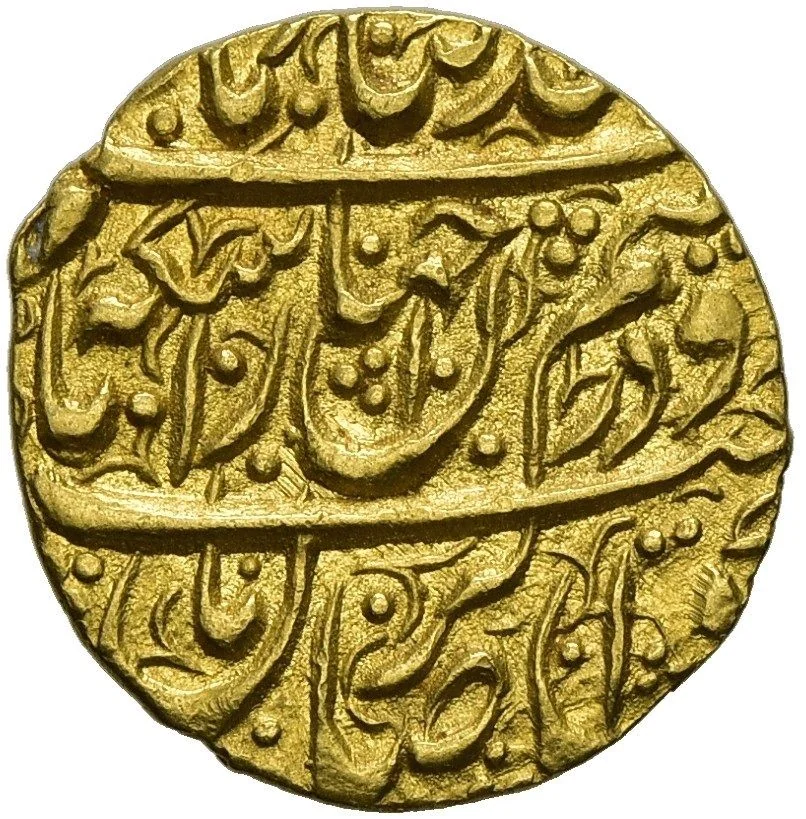
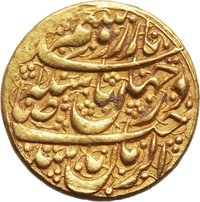
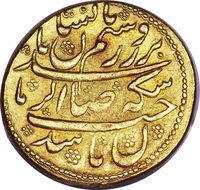
Three-line Persian coin poem.
Inscription:
شد آفتاب و ماه زر و سیم در جهان
از سکه امام بحق صاحب الزمان
از سکه امام بحق صاحب الزمان
Script: Persian (nastaliq)
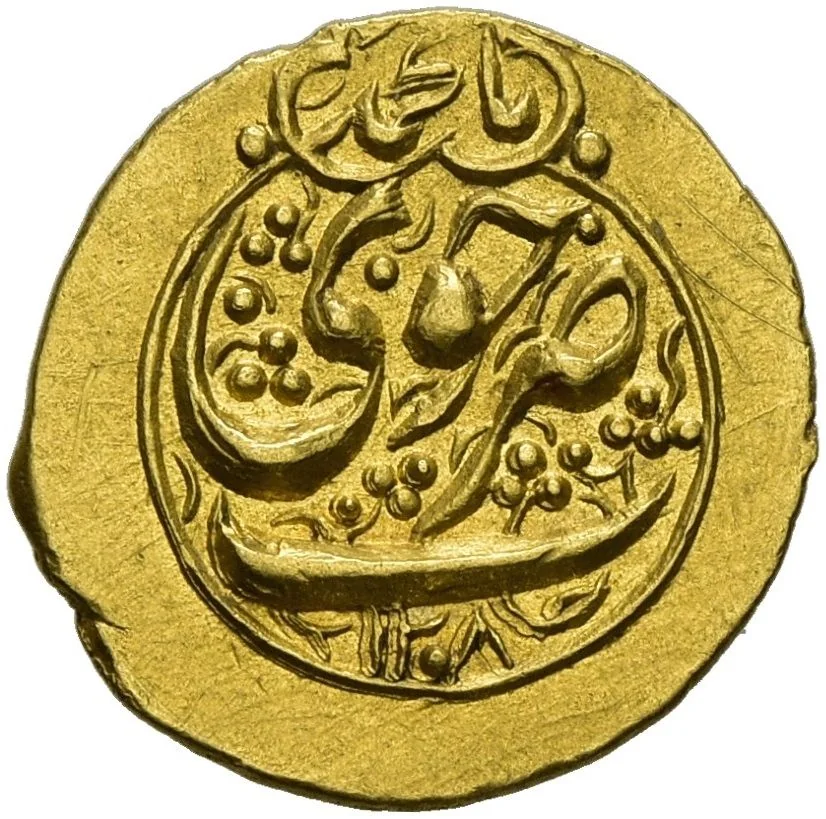
Reverse
Edge
Mints
| Name | Mark |
|---|---|
| Khoy | خوی |
Mintings
| Year | Mint Mark | Mintage | Quality | Collection |
|---|---|---|---|---|
| 1794 | — | — |
Historical background
In 1794, Iran was under the rule of the nascent Qajar dynasty, with Agha Mohammad Khan Qajar consolidating power after decades of civil war following the collapse of the Safavid Empire. The currency situation was a direct reflection of this political turmoil and fractured economic landscape. The monetary system was not unified, operating on a bimetallic standard of silver qirans (also called rials) and copper shahis, but the coinage in circulation was a chaotic mix of issues from the preceding Afsharid and Zand dynasties, various regional khans, and even worn foreign coins. This lack of standardized, trusted currency severely hampered trade and state revenue collection.
The primary challenge was severe debasement and a critical shortage of precious metals, particularly silver. Decades of conflict had drained the treasury, disrupted mining, and damaged long-distance trade routes, reducing the influx of bullion. Local rulers and mint operators often reduced the silver content in coins to fund their own expenditures, leading to wide variations in value and weight even among coins of the same nominal denomination. This instability meant that transactions often required careful weighing and assaying of coins rather than simply counting them, creating friction in both local markets and international commerce.
For Agha Mohammad Khan, who was focused on military conquest and political unification, currency reform was a secondary concern, though he recognized its importance for centralizing authority. His immediate priority in 1794 was the final siege of Kerman and the brutal suppression of his rivals, not a comprehensive monetary overhaul. Consequently, the currency situation remained in a state of disarray, representing a fragmented economy that the Qajars would only begin to systematically address in the early 19th century through mint reforms and the gradual imposition of standardized coinage from the capital.
The primary challenge was severe debasement and a critical shortage of precious metals, particularly silver. Decades of conflict had drained the treasury, disrupted mining, and damaged long-distance trade routes, reducing the influx of bullion. Local rulers and mint operators often reduced the silver content in coins to fund their own expenditures, leading to wide variations in value and weight even among coins of the same nominal denomination. This instability meant that transactions often required careful weighing and assaying of coins rather than simply counting them, creating friction in both local markets and international commerce.
For Agha Mohammad Khan, who was focused on military conquest and political unification, currency reform was a secondary concern, though he recognized its importance for centralizing authority. His immediate priority in 1794 was the final siege of Kerman and the brutal suppression of his rivals, not a comprehensive monetary overhaul. Consequently, the currency situation remained in a state of disarray, representing a fragmented economy that the Qajars would only begin to systematically address in the early 19th century through mint reforms and the gradual imposition of standardized coinage from the capital.
✨ Legendary