

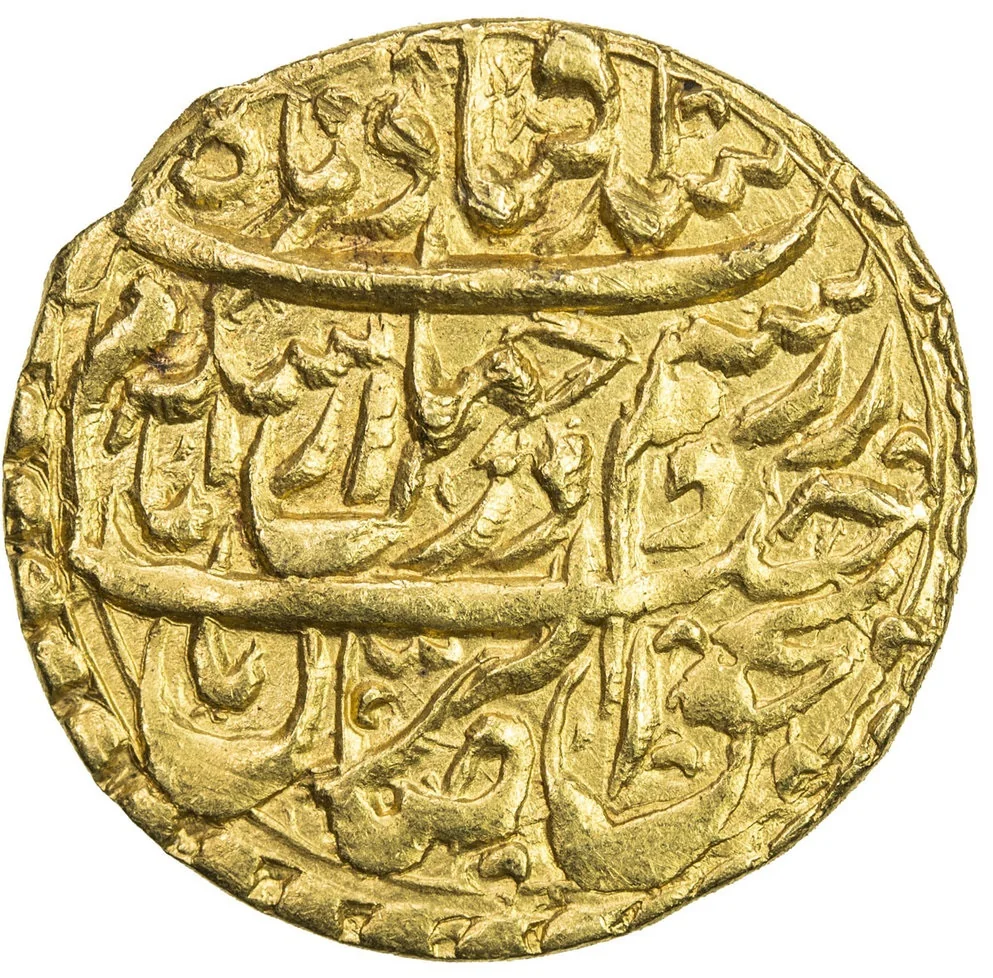
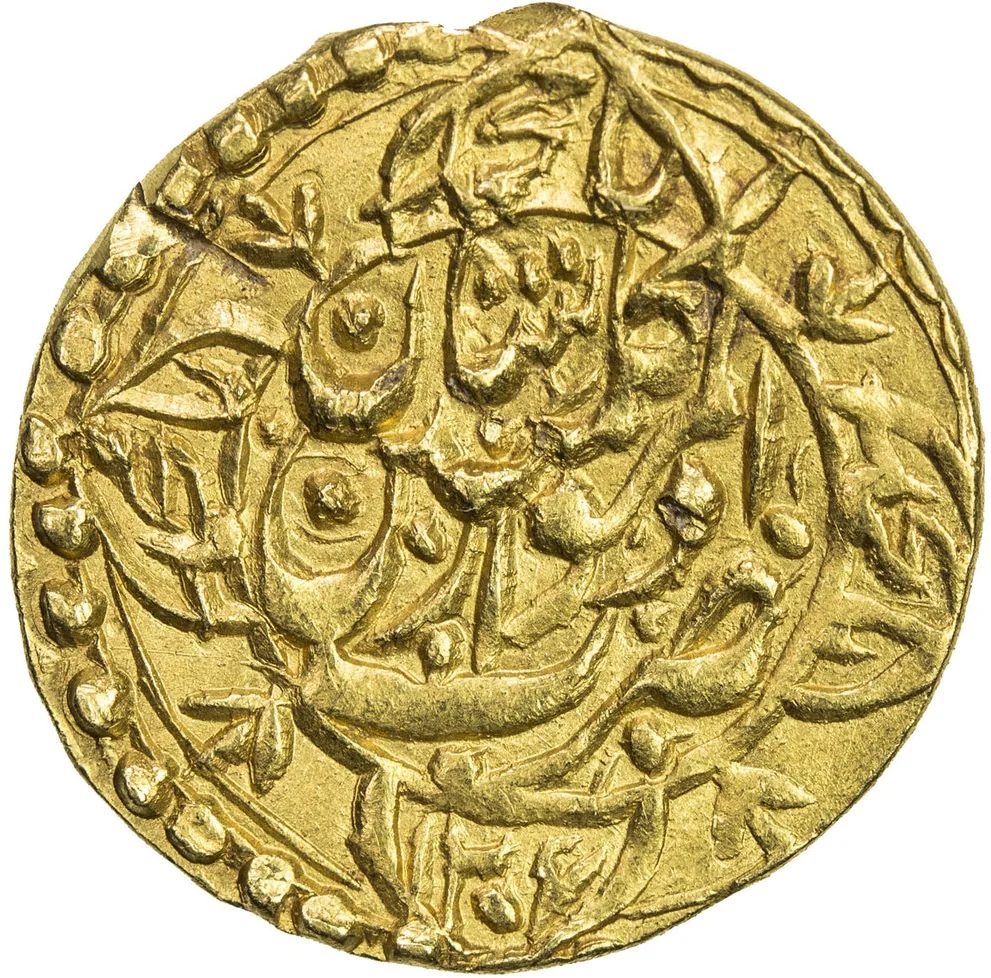
½ tuman – Iran
Add to wishlist
Iran
Context
Material
Weight: 4.05 g
Gold Weight:: 4.05 g
Shape: Irregular round
Composition: Gold
Magnetic: No
Technique: Hammered
Alignment: Coin alignment
flip
References
KM: #
Numista: #176363
Value
Bullion value: $624.72
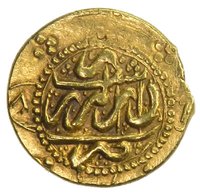
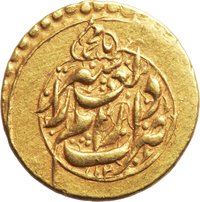
Obverse
Inscription:
شد آفتاب و ماه زر و سیم در جهان
از سکه امام بحق صاحب الزّمان
از سکه امام بحق صاحب الزّمان
Script: Persian (nastaliq)
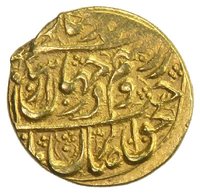
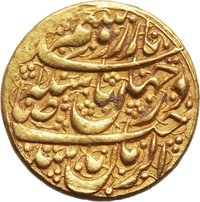
Reverse
Inscription:
ضرب دارالمومنین کاشان
یا محمد یا محمد یا محمد
۱۲۰۶
یا محمد یا محمد یا محمد
۱۲۰۶
Script: Persian (nastaliq)
Edge
Plain
Mints
| Name | Mark |
|---|---|
| Kashan | کاشان |
Mintings
| Year | Mint Mark | Mintage | Quality | Collection |
|---|---|---|---|---|
| 1791 | — | — | ||
| 1792 | — | — |
Historical background
In 1791, Iran was under the rule of the Qajar dynasty, recently established by Agha Mohammad Khan. The currency situation reflected the broader political and economic instability of the era. The monetary system was a complex and fragmented bimetallic system, primarily based on silver tomans and qirans, and copper shahis and dinars. However, decades of civil war following the collapse of the Safavid dynasty had severely disrupted the economy, leading to irregular minting, widespread debasement of coinage, and a lack of standardized currency across the realm. Different regions often used coins from previous dynasties or foreign currencies, creating confusion and hindering trade.
The primary challenge was the severe shortage of silver, the backbone of the high-value currency. Years of conflict had drained state coffers and disrupted mining and trade routes, making it difficult for the nascent Qajar state to mint sufficient quantities of reliable silver coins. This shortage led to the proliferation of heavily debased coins and rampant counterfeiting, which eroded public trust in the currency. Furthermore, Agha Mohammad Khan’s focus was overwhelmingly on military conquest and political consolidation, particularly his campaign to reconquer the Caucasus, leaving little administrative capacity or treasury reserve to implement a comprehensive monetary reform.
Consequently, the currency situation in 1791 was one of disorder and transition. While Agha Mohammad Khan had brought a degree of political unity, a unified and stable national currency remained elusive. The monetary chaos acted as a drag on economic recovery and internal commerce, perpetuating a system where the value and weight of coins could vary significantly, and barter was still common. It would fall to his successors, notably Fath-Ali Shah, to later attempt more systematic reforms to standardize the coinage and stabilize the Qajar financial system.
The primary challenge was the severe shortage of silver, the backbone of the high-value currency. Years of conflict had drained state coffers and disrupted mining and trade routes, making it difficult for the nascent Qajar state to mint sufficient quantities of reliable silver coins. This shortage led to the proliferation of heavily debased coins and rampant counterfeiting, which eroded public trust in the currency. Furthermore, Agha Mohammad Khan’s focus was overwhelmingly on military conquest and political consolidation, particularly his campaign to reconquer the Caucasus, leaving little administrative capacity or treasury reserve to implement a comprehensive monetary reform.
Consequently, the currency situation in 1791 was one of disorder and transition. While Agha Mohammad Khan had brought a degree of political unity, a unified and stable national currency remained elusive. The monetary chaos acted as a drag on economic recovery and internal commerce, perpetuating a system where the value and weight of coins could vary significantly, and barter was still common. It would fall to his successors, notably Fath-Ali Shah, to later attempt more systematic reforms to standardize the coinage and stabilize the Qajar financial system.
✨ Legendary