

Iran
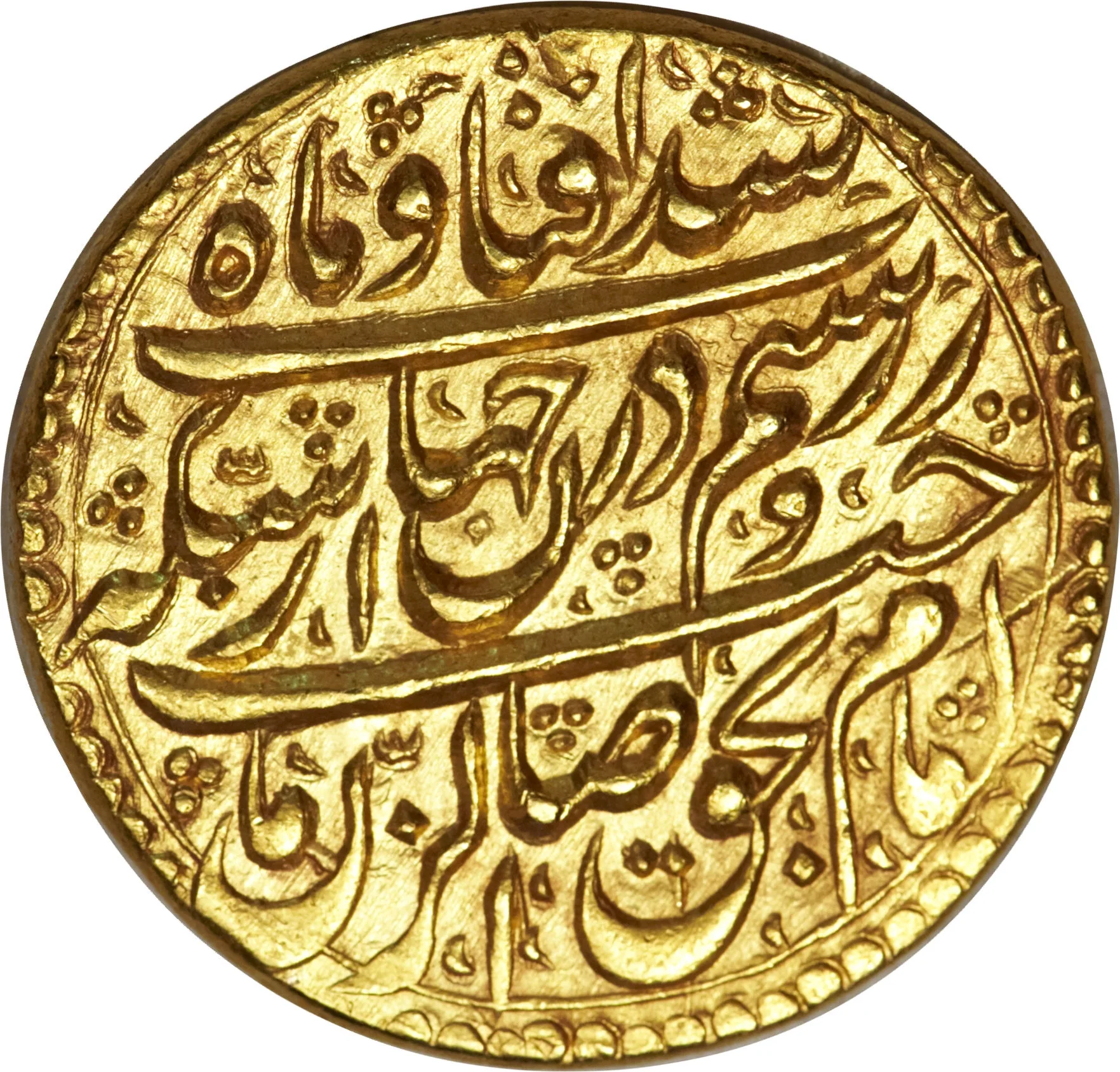
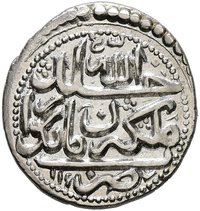
Obverse
Inscription:
شد آفتاب و ماه زر و سیم در جهان
از سکه امام بحق صاحی الزمان
از سکه امام بحق صاحی الزمان
Script: Persian (nastaliq)
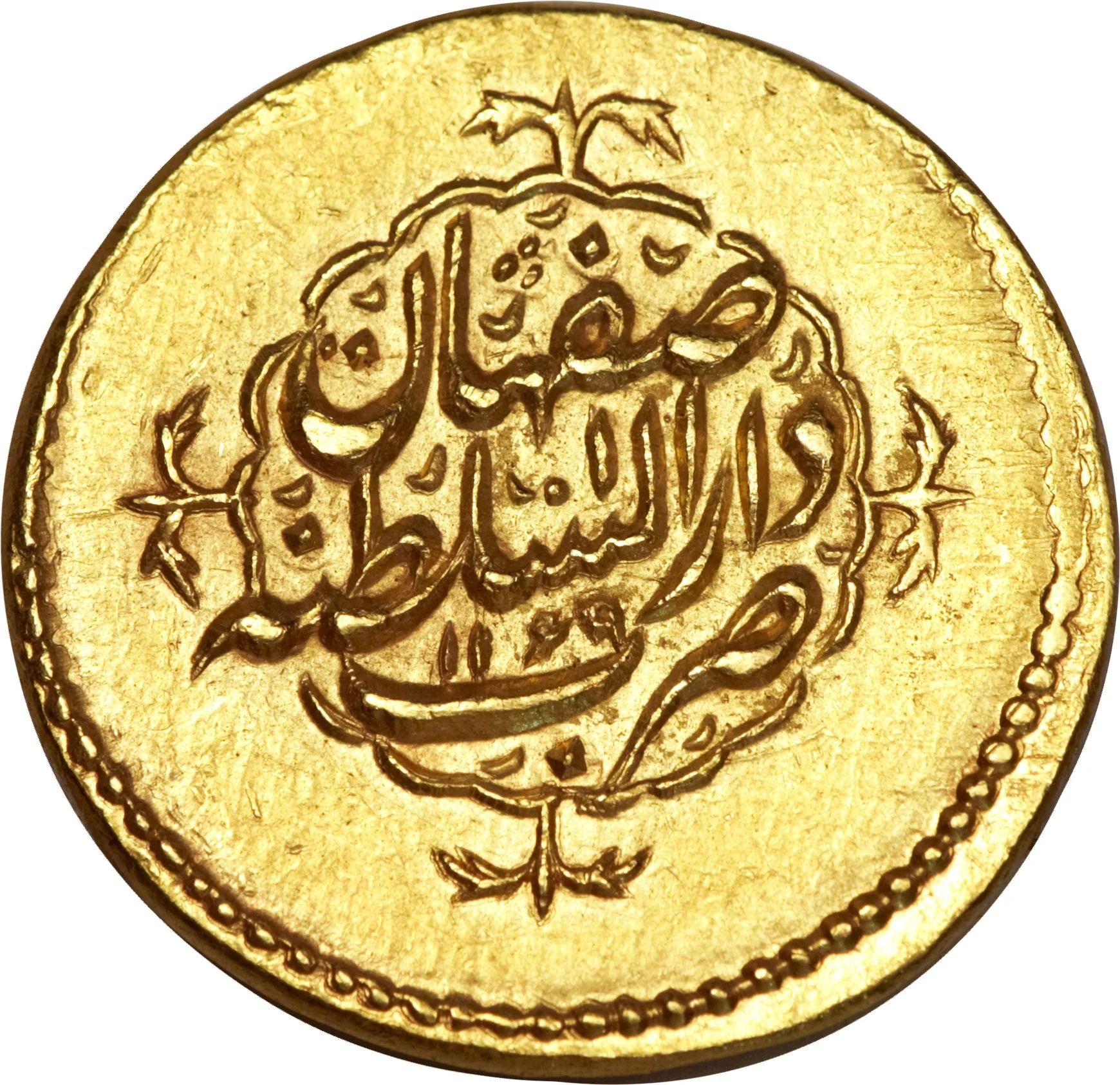
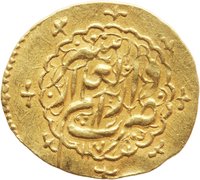
Reverse
Inscription:
ضرب دارالسلطنه اصفهان
۱۱۶۹
۱۱۶۹
Script: Persian (nastaliq)
Edge
Mints
| Name | Mark |
|---|---|
| Isfahan | — |
Mintings
| Year | Mint Mark | Mintage | Quality | Collection |
|---|---|---|---|---|
| 1756 | — | — | ||
| 1758 | — | — |
Historical background
In 1756, Iran was under the rule of the Afsharid dynasty, founded by the formidable military conqueror Nader Shah. However, Nader Shah had been assassinated a decade earlier in 1747, plunging the empire into a prolonged period of instability and civil war. By 1756, his grandson, Shahrokh Shah, nominally ruled from Mashhad, but his authority was severely contested by rival chieftains, including Karim Khan Zand in the south and various Qajar tribes in the north. This political fragmentation directly crippled the centralized monetary system, as competing powers minted their own coins and controlled regional revenues, leading to a lack of uniform currency across the realm.
The currency system itself was a traditional bimetallic one, based on the silver rial and the gold toman (worth 10 rials). However, the incessant warfare drained the state treasury and disrupted the vital silver and gold supplies needed for minting. Furthermore, the practice of "clipping" or shaving precious metal from the edges of coins was rampant, reducing their intrinsic value and causing widespread distrust in the currency. This period saw a significant decline in the quality and weight of minted coins, as regional warlords and mints debased the currency to finance their military campaigns, leading to inflation and economic hardship for the general population.
Consequently, the monetary situation in 1756 Iran was one of profound disorder and localization. There was no single, reliable currency issued by a strong central authority. Instead, the economy functioned on a patchwork of coins of varying purity and legitimacy, heavily dependent on the power and resources of the local ruler. This financial chaos mirrored the political disintegration of the Afsharid Empire, hindering long-distance trade and creating a barter economy in many areas, setting the stage for the monetary reforms that would later be attempted by the rising Zand and Qajar dynasties.
The currency system itself was a traditional bimetallic one, based on the silver rial and the gold toman (worth 10 rials). However, the incessant warfare drained the state treasury and disrupted the vital silver and gold supplies needed for minting. Furthermore, the practice of "clipping" or shaving precious metal from the edges of coins was rampant, reducing their intrinsic value and causing widespread distrust in the currency. This period saw a significant decline in the quality and weight of minted coins, as regional warlords and mints debased the currency to finance their military campaigns, leading to inflation and economic hardship for the general population.
Consequently, the monetary situation in 1756 Iran was one of profound disorder and localization. There was no single, reliable currency issued by a strong central authority. Instead, the economy functioned on a patchwork of coins of varying purity and legitimacy, heavily dependent on the power and resources of the local ruler. This financial chaos mirrored the political disintegration of the Afsharid Empire, hindering long-distance trade and creating a barter economy in many areas, setting the stage for the monetary reforms that would later be attempted by the rising Zand and Qajar dynasties.
✨ Legendary