

Iran
Context
Material
Weight: 2.26 g
Silver weight: 2.26 g
Shape: Irregular round
Composition: Silver
Magnetic: No
Technique: Hammered
References
KM: #Click to copy to clipboard466
Numista: #412631
Value
Bullion value: $6.56
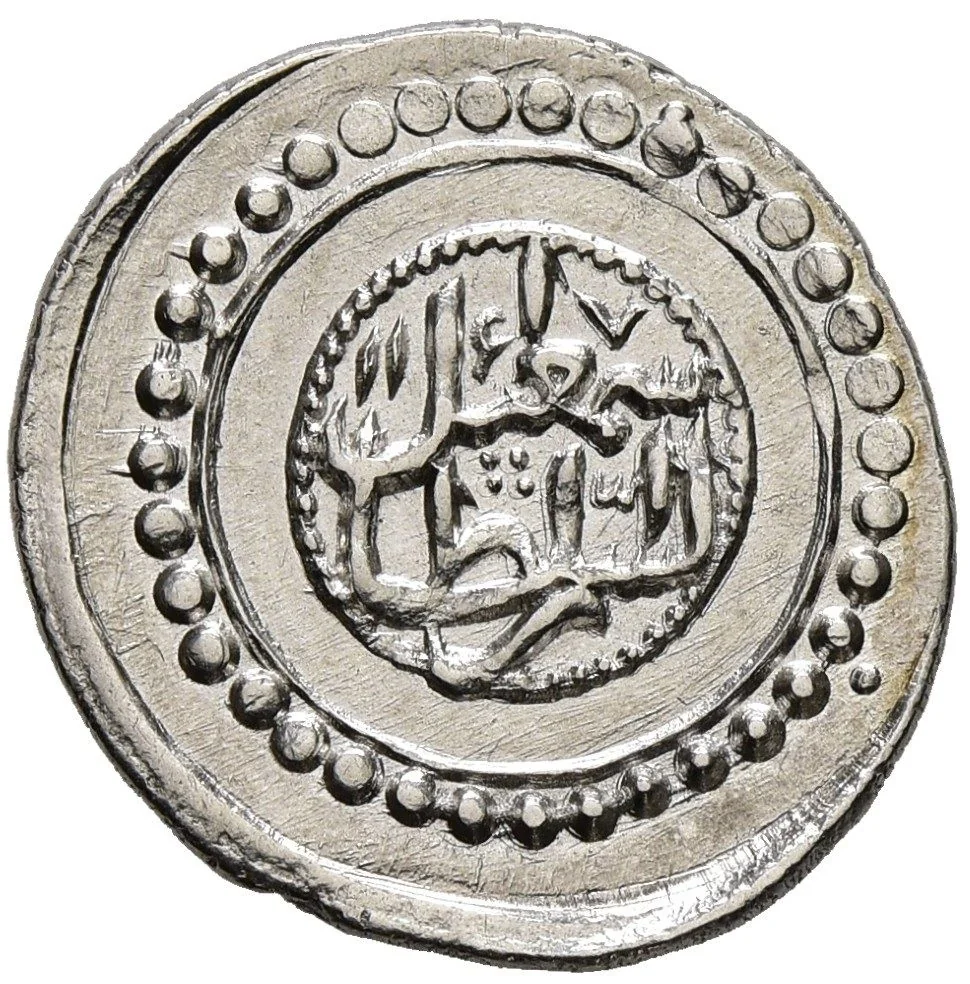
Obverse
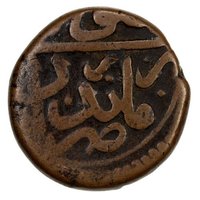
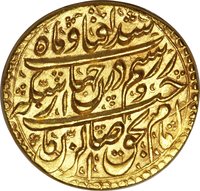
Inscription:
السلطان اسمعیل
۱۱۶۷
۱۱۶۷
Script: Arabic (thuluth)
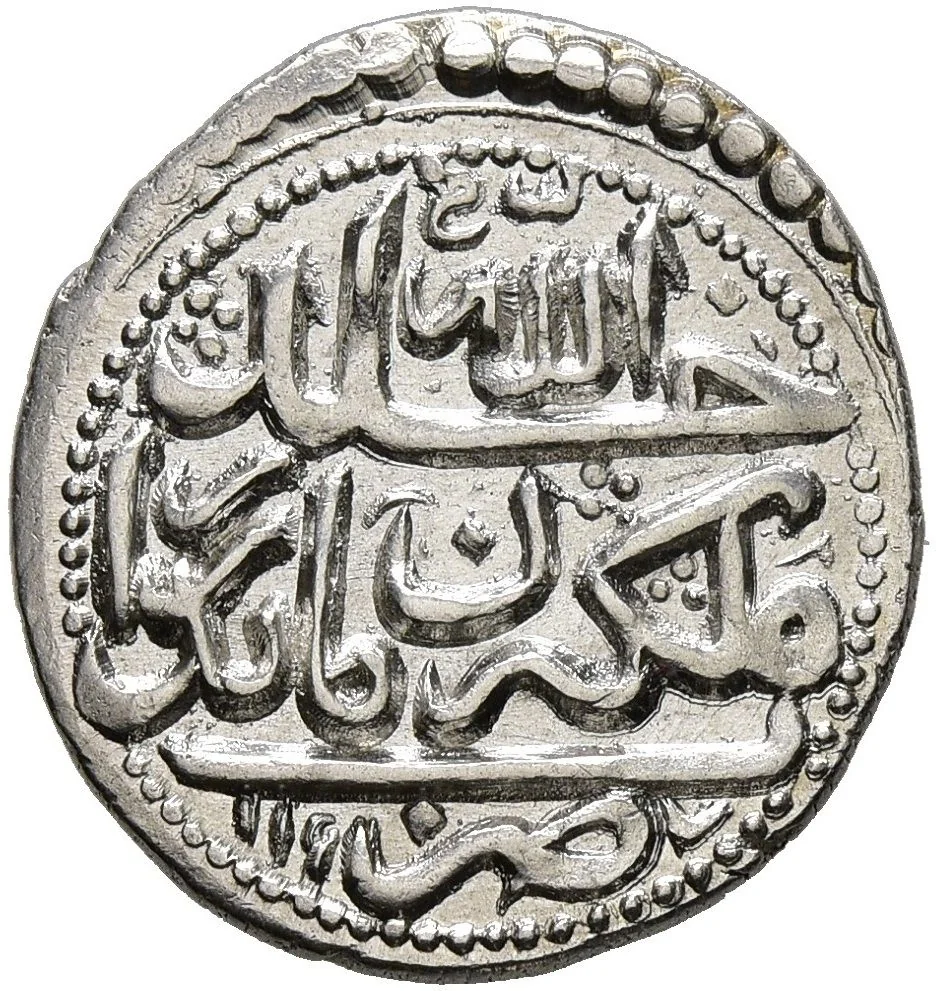
Reverse
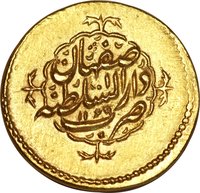
Inscription:
خلد الله ملکه
ضرب مازندران
۱۱۶۷
ضرب مازندران
۱۱۶۷
Script: Arabic (thuluth)
Edge
Plain
Mints
| Name | Mark |
|---|---|
| Mazandaran Province, Tabaristan | مازندران |
Mintings
| Year | Mint Mark | Mintage | Quality | Collection |
|---|---|---|---|---|
| 1754 | — | — | ||
| 1755 | — | — |
Historical background
In 1754, Iran was under the rule of the Afsharid dynasty, founded by the military conqueror Nader Shah. His reign (1736-1747) had a profound and devastating impact on the currency. To finance his massive military campaigns, including the infamous sack of Delhi in 1739, Nader Shah systematically debased the silver coinage, the primary currency of the realm. He reduced the silver content in coins like the abbasi and mohammadi, flooding the economy with inferior money while simultaneously seizing vast quantities of bullion as war booty. This created severe inflation and a deep crisis of confidence in the currency that lingered long after his assassination in 1747.
The year 1754 fell within a period of intense instability following Nader Shah's death, as the empire fragmented into competing factions. His grandson, Shahrokh Shah, nominally ruled from Mashhad but controlled only a fraction of the territory. Most regions were held by rival chieftains, including Karim Khan Zand in the south and Azad Khan Afghan in the northwest. This political fragmentation led to a parallel fragmentation of the monetary system. Provincial rulers and tribal khans began minting their own coins, often of highly variable weight and purity, further eroding any notion of a standardized national currency.
Consequently, the currency situation in 1754 was one of extreme disorder and regional variation. The legacy of Nader Shah’s debasement meant that the intrinsic value of coins was low and uncertain, disrupting trade and the broader economy. The lack of a central minting authority resulted in a chaotic mix of old Afsharid coins, new local issues, and foreign currencies like Ottoman and Mughal rupees circulating at fluctuating values. This monetary anarchy mirrored the political chaos of the time, hindering economic recovery and placing a heavy burden on the merchant class and peasantry who faced unpredictable prices and the risk of worthless currency.
The year 1754 fell within a period of intense instability following Nader Shah's death, as the empire fragmented into competing factions. His grandson, Shahrokh Shah, nominally ruled from Mashhad but controlled only a fraction of the territory. Most regions were held by rival chieftains, including Karim Khan Zand in the south and Azad Khan Afghan in the northwest. This political fragmentation led to a parallel fragmentation of the monetary system. Provincial rulers and tribal khans began minting their own coins, often of highly variable weight and purity, further eroding any notion of a standardized national currency.
Consequently, the currency situation in 1754 was one of extreme disorder and regional variation. The legacy of Nader Shah’s debasement meant that the intrinsic value of coins was low and uncertain, disrupting trade and the broader economy. The lack of a central minting authority resulted in a chaotic mix of old Afsharid coins, new local issues, and foreign currencies like Ottoman and Mughal rupees circulating at fluctuating values. This monetary anarchy mirrored the political chaos of the time, hindering economic recovery and placing a heavy burden on the merchant class and peasantry who faced unpredictable prices and the risk of worthless currency.
✨ Legendary