

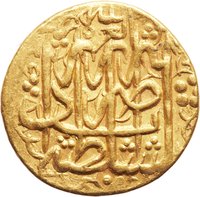
1 Toman – Iran
Iran
Context
Year: 1799
Islamic (Hijri) Year: 1213
Issuer: Iran 
Ruler: Fath-Ali Shah
Currency:
(1798—1825)
Demonetized: Yes
Material
References
KM: #Click to copy to clipboard739.5
Numista: #61984
Value
Bullion value: $1022.19
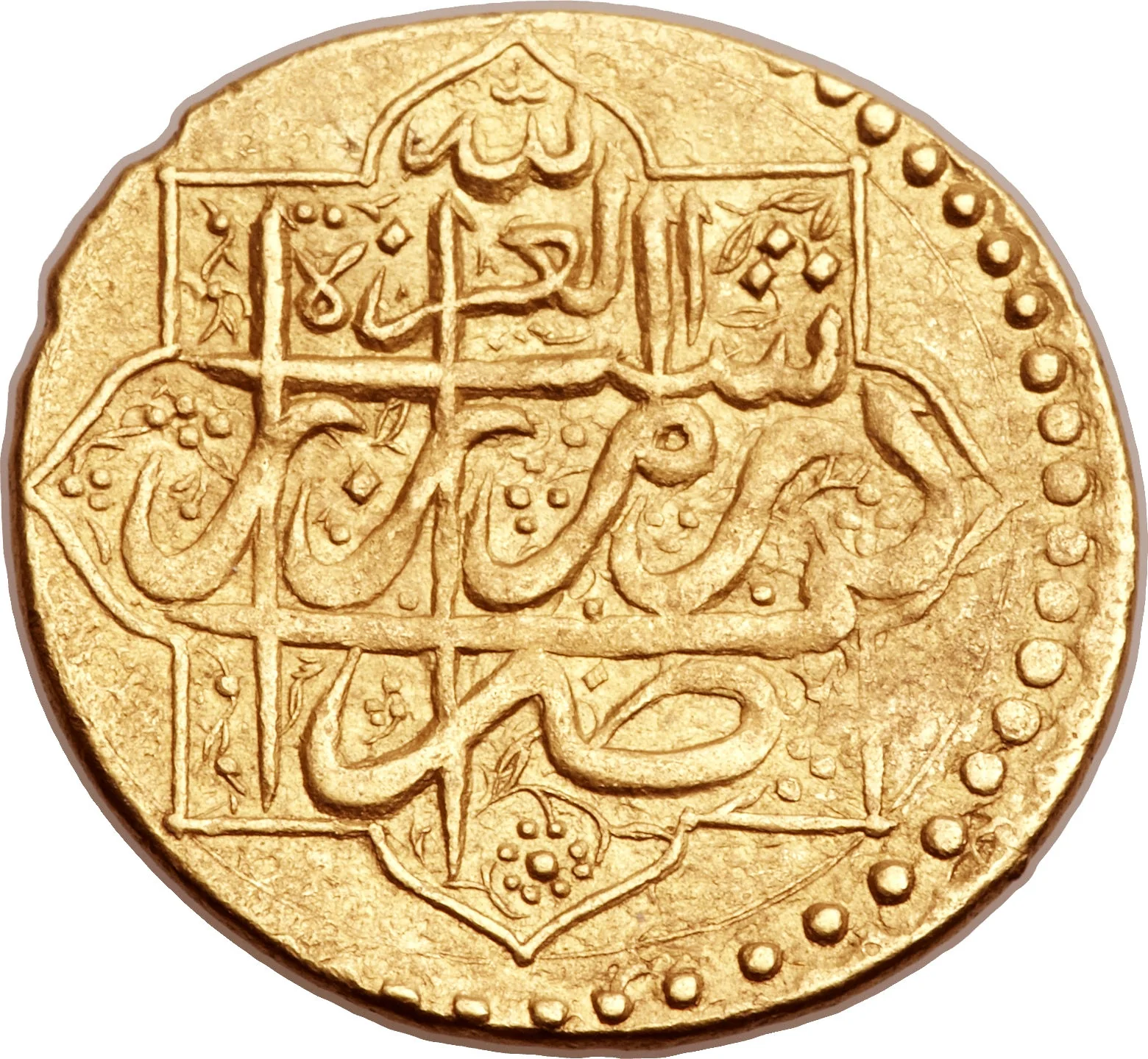
Obverse
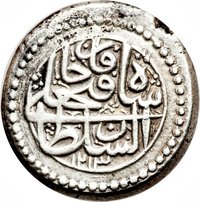
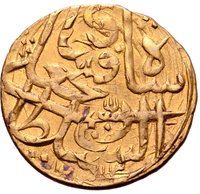
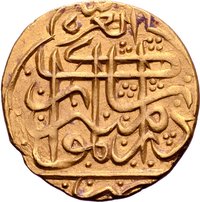
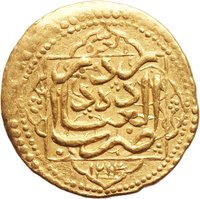
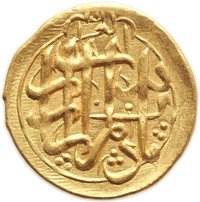
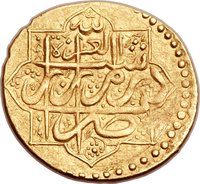
Inscription:
العزة لله
ضرب دارالمرز رشت
ضرب دارالمرز رشت
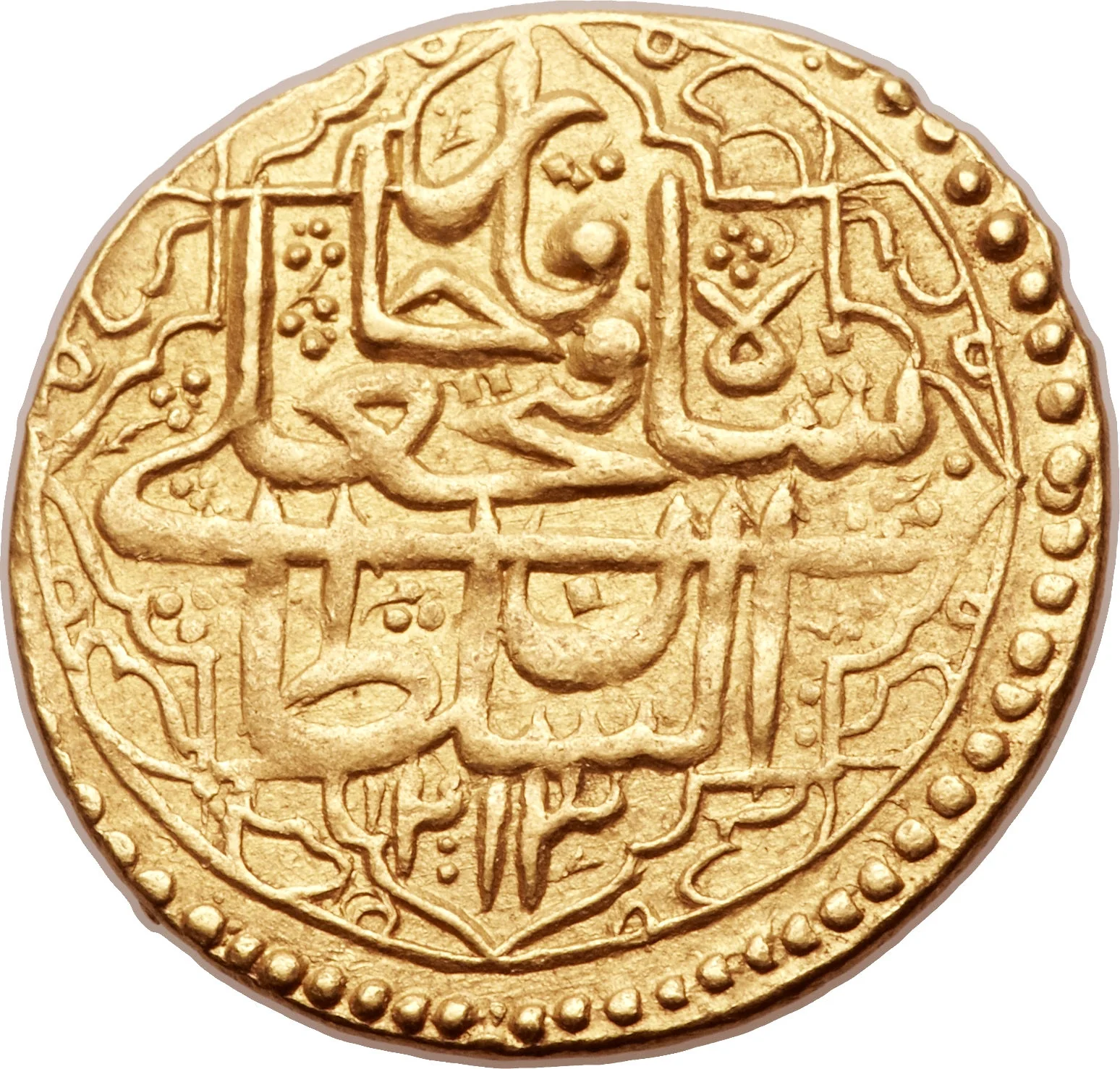
Reverse
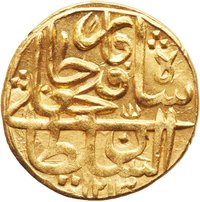
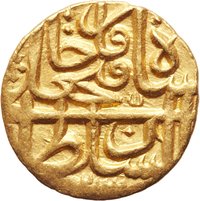
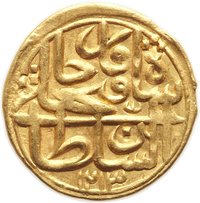
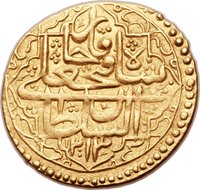
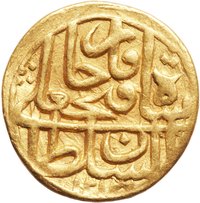
Inscription:
السلطان فتحعلی شاه قاجار
۱۲۱۳
۱۲۱۳
Edge
Mints
| Name | Mark |
|---|---|
| Dar al-Marz Rasht | — |
Mintings
| Year | Mint Mark | Mintage | Quality | Collection |
|---|---|---|---|---|
| 1799 | — | — |
Historical background
In 1799, Iran was under the rule of the Qajar dynasty, with Fath-Ali Shah on the throne. The monetary system was a complex and fragmented relic of earlier empires, lacking centralized control. The primary unit was the silver qiran (also spelled kran), but the currency in actual circulation was a bewildering array of domestic and foreign silver coins, including Ottoman, Russian, Dutch, and Indian rupees, alongside copper fulus for small transactions. The state mint produced coins, but their weight and purity were often inconsistent, and provincial rulers and powerful tribal khans frequently issued their own coinage, leading to a lack of uniform value across the realm.
This monetary chaos was exacerbated by severe economic strain. Decades of civil war following the collapse of the Safavid dynasty had devastated agriculture and trade, while the royal court's extravagant expenditures drained the treasury. The government's primary response to fiscal shortfalls was to debase the coinage—reducing the silver content in newly minted qirans to create more coins from the same bullion reserve. This practice, while providing immediate cash, triggered inflation and further eroded public trust in the currency, as merchants and money-changers (sarraf) had to constantly assay coins and adjust exchange rates.
Consequently, the currency situation in 1799 was characterized by instability, multiplicity, and depreciation. The lack of a strong, standardized national currency hindered both domestic commerce and international trade, reflecting the broader challenges of early Qajar state-building. Economic power remained decentralized, with the network of sarrafs and merchant houses forming the de facto banking system, navigating the precarious landscape of fluctuating coin values that directly impacted the livelihood of the population and the fiscal health of the state.
This monetary chaos was exacerbated by severe economic strain. Decades of civil war following the collapse of the Safavid dynasty had devastated agriculture and trade, while the royal court's extravagant expenditures drained the treasury. The government's primary response to fiscal shortfalls was to debase the coinage—reducing the silver content in newly minted qirans to create more coins from the same bullion reserve. This practice, while providing immediate cash, triggered inflation and further eroded public trust in the currency, as merchants and money-changers (sarraf) had to constantly assay coins and adjust exchange rates.
Consequently, the currency situation in 1799 was characterized by instability, multiplicity, and depreciation. The lack of a strong, standardized national currency hindered both domestic commerce and international trade, reflecting the broader challenges of early Qajar state-building. Economic power remained decentralized, with the network of sarrafs and merchant houses forming the de facto banking system, navigating the precarious landscape of fluctuating coin values that directly impacted the livelihood of the population and the fiscal health of the state.
Series: 1799 Iran circulation coins
✨ Legendary