

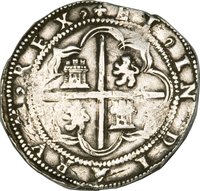
Mintings
| Year | Mint Mark | Mintage | Quality | Collection |
|---|---|---|---|---|
| — | PR | — |
Historical background
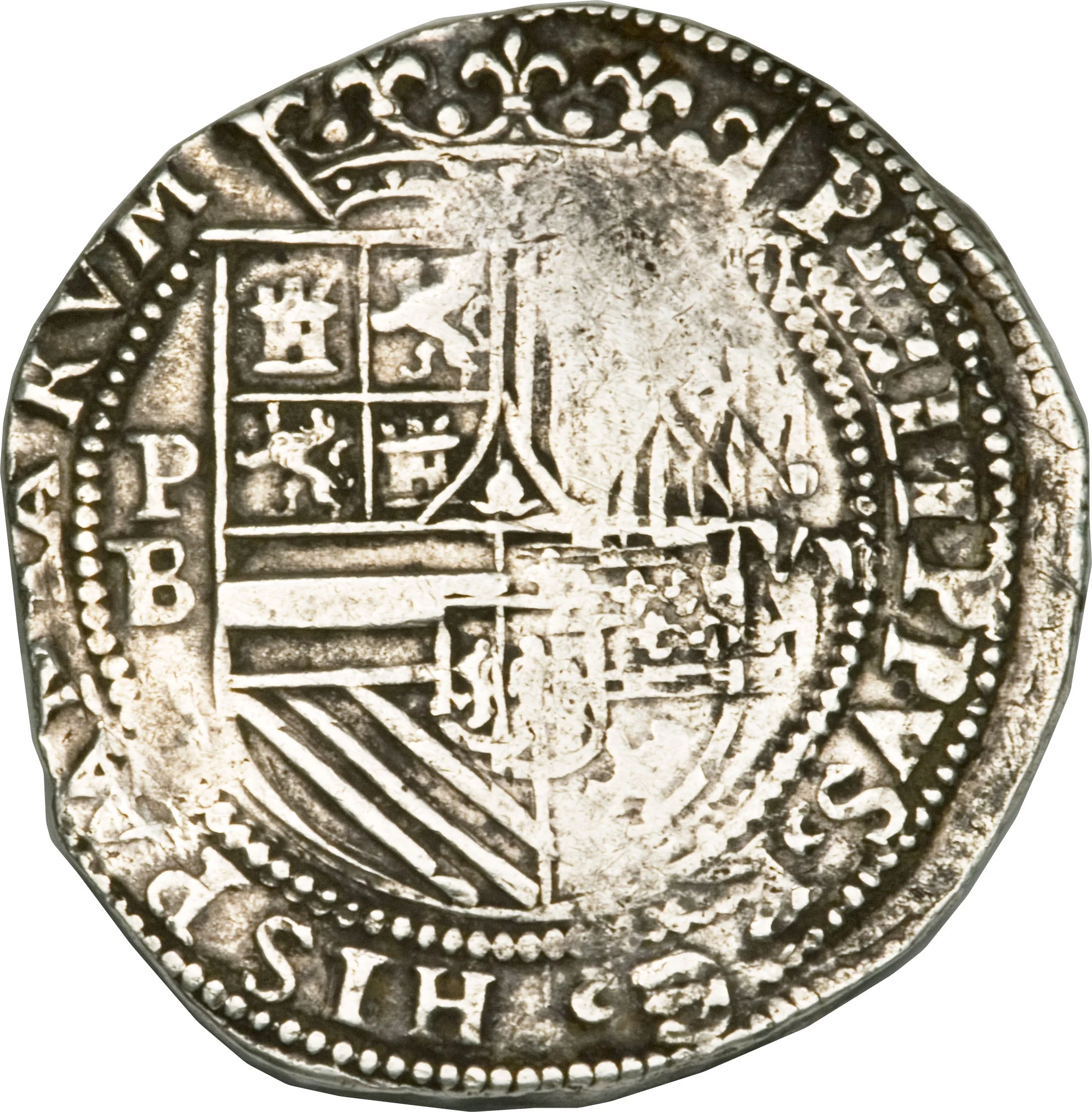
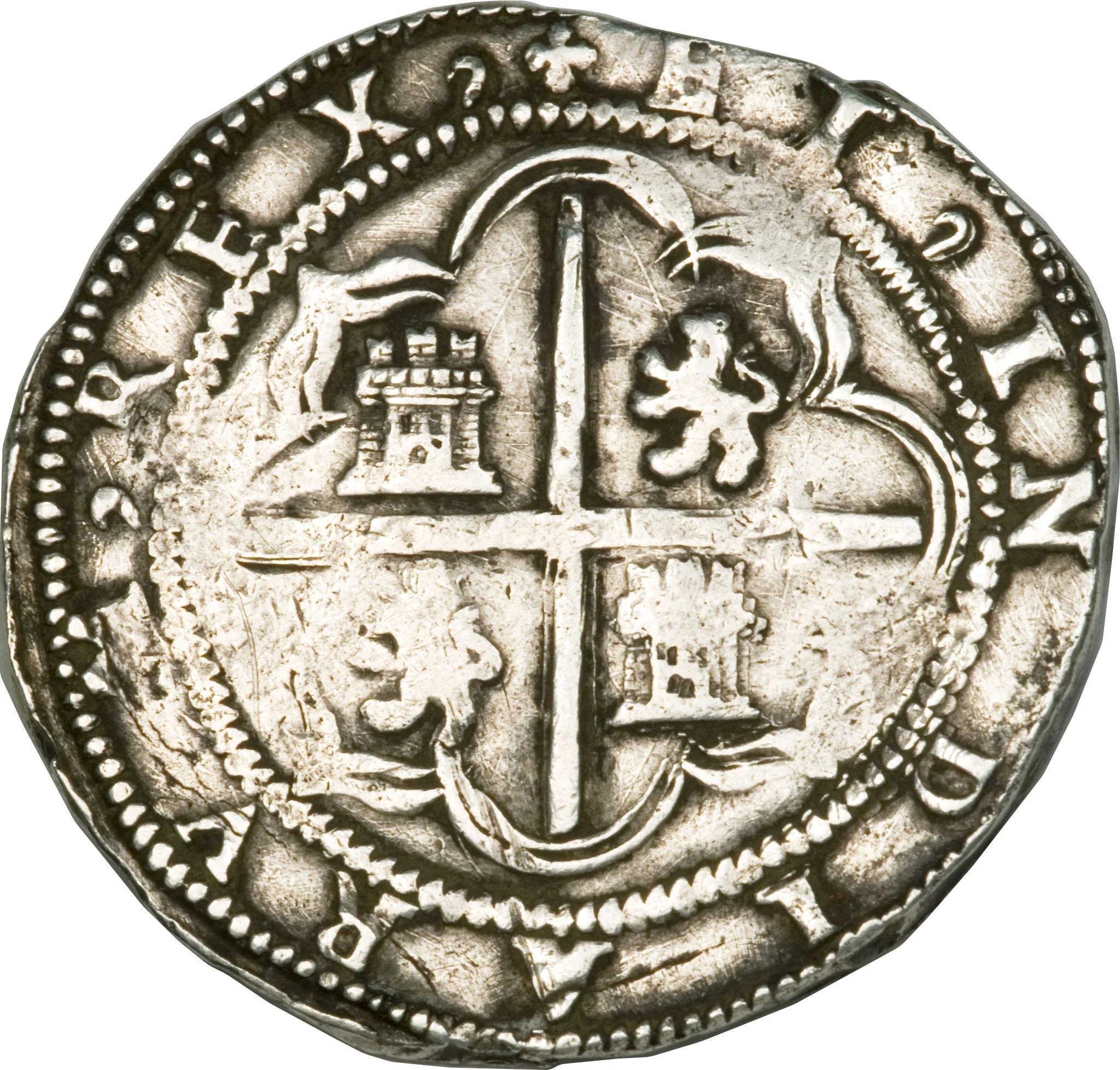
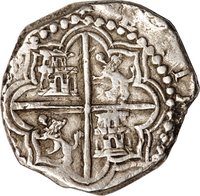
In 1574, Bolivia existed within the Spanish Empire as the region of Upper Peru, a vital part of the Viceroyalty of Peru. The currency situation was entirely dictated by Spain's colonial mercantilist system, designed to extract wealth, primarily silver, for the Crown. The economic heart was the Cerro Rico of Potosí, discovered in 1545, which by 1574 was producing over half the world's silver. This immense output made the Spanish real and the peso (or "piece of eight," worth eight reales) the dominant currencies, but their physical circulation within the colony itself was limited and tightly controlled.
The primary "currency" for most local and regional transactions was not minted coin but silver in bulk—ingots, bars, and even rough-cut chunks. Coined money was often scarce because a significant portion of the silver was shipped directly to Spain after being taxed (the quinto real, or "royal fifth"). What coins did circulate, minted in Spain or later from the Potosí mint (established in 1572 but not fully operational until 1574-75), competed with a complex system of credit, barter, and indigenous tribute payments made in kind. The Spanish administration demanded taxes in silver, forcing indigenous communities into the monetary economy, often through exploitative labor in the mines via the mita system.
Thus, the currency landscape was one of stark duality: a booming global silver economy centered on Potosí, fueling European finance and trade with Asia, coexisted with a local economy still reliant on pre-Hispanic practices of exchange. The year 1574 represents a pivotal moment of transition, as the newly established Potosí mint began the long process of standardizing coinage in the region, aiming to combat fraud and increase royal revenue, thereby more firmly embedding the colony into the Spanish imperial monetary network.
The primary "currency" for most local and regional transactions was not minted coin but silver in bulk—ingots, bars, and even rough-cut chunks. Coined money was often scarce because a significant portion of the silver was shipped directly to Spain after being taxed (the quinto real, or "royal fifth"). What coins did circulate, minted in Spain or later from the Potosí mint (established in 1572 but not fully operational until 1574-75), competed with a complex system of credit, barter, and indigenous tribute payments made in kind. The Spanish administration demanded taxes in silver, forcing indigenous communities into the monetary economy, often through exploitative labor in the mines via the mita system.
Thus, the currency landscape was one of stark duality: a booming global silver economy centered on Potosí, fueling European finance and trade with Asia, coexisted with a local economy still reliant on pre-Hispanic practices of exchange. The year 1574 represents a pivotal moment of transition, as the newly established Potosí mint began the long process of standardizing coinage in the region, aiming to combat fraud and increase royal revenue, thereby more firmly embedding the colony into the Spanish imperial monetary network.
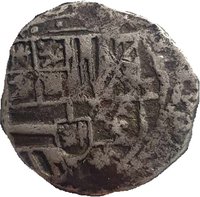
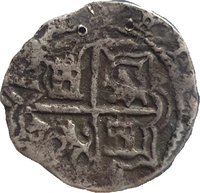
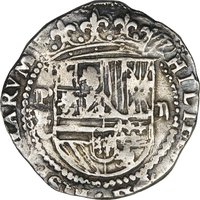
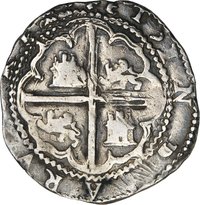
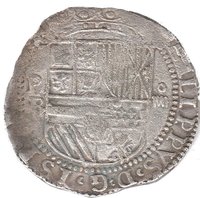
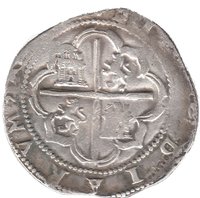
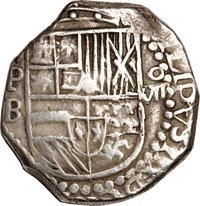
Series: 1574 Bolivia circulation coins
💎 Extremely Rare