

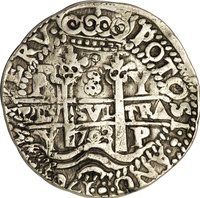
Mints
| Name | Mark |
|---|---|
| Potosi | — |
Mintings
| Year | Mint Mark | Mintage | Quality | Collection |
|---|---|---|---|---|
| 1701 | — | — | ||
| 1701 | F | — | ||
| 1701 | Y | — | ||
| 1702 | Y | — | ||
| 1703 | Y | — | ||
| 1704 | Y | — | ||
| 1705 | Y | — | ||
| 1706 | Y | — | ||
| 1707 | Y | — | ||
| 1708 | Y | — | ||
| 1709 | Y | — | ||
| 1710 | Y | — | ||
| 1711 | Y | — | ||
| 1712 | Y | — | ||
| 1713 | Y | — | ||
| 1714 | Y | — | ||
| 1715 | Y | — | ||
| 1716 | Y | — | ||
| 1717 | Y | — | ||
| 1718 | Y | — | ||
| 1719 | Y | — | ||
| 1720 | Y | — | ||
| 1721 | Y | — | ||
| 1722 | Y | — | ||
| 1723 | Y | — | ||
| 1724 | Y | — | ||
| 1728 | M | — |
Historical background
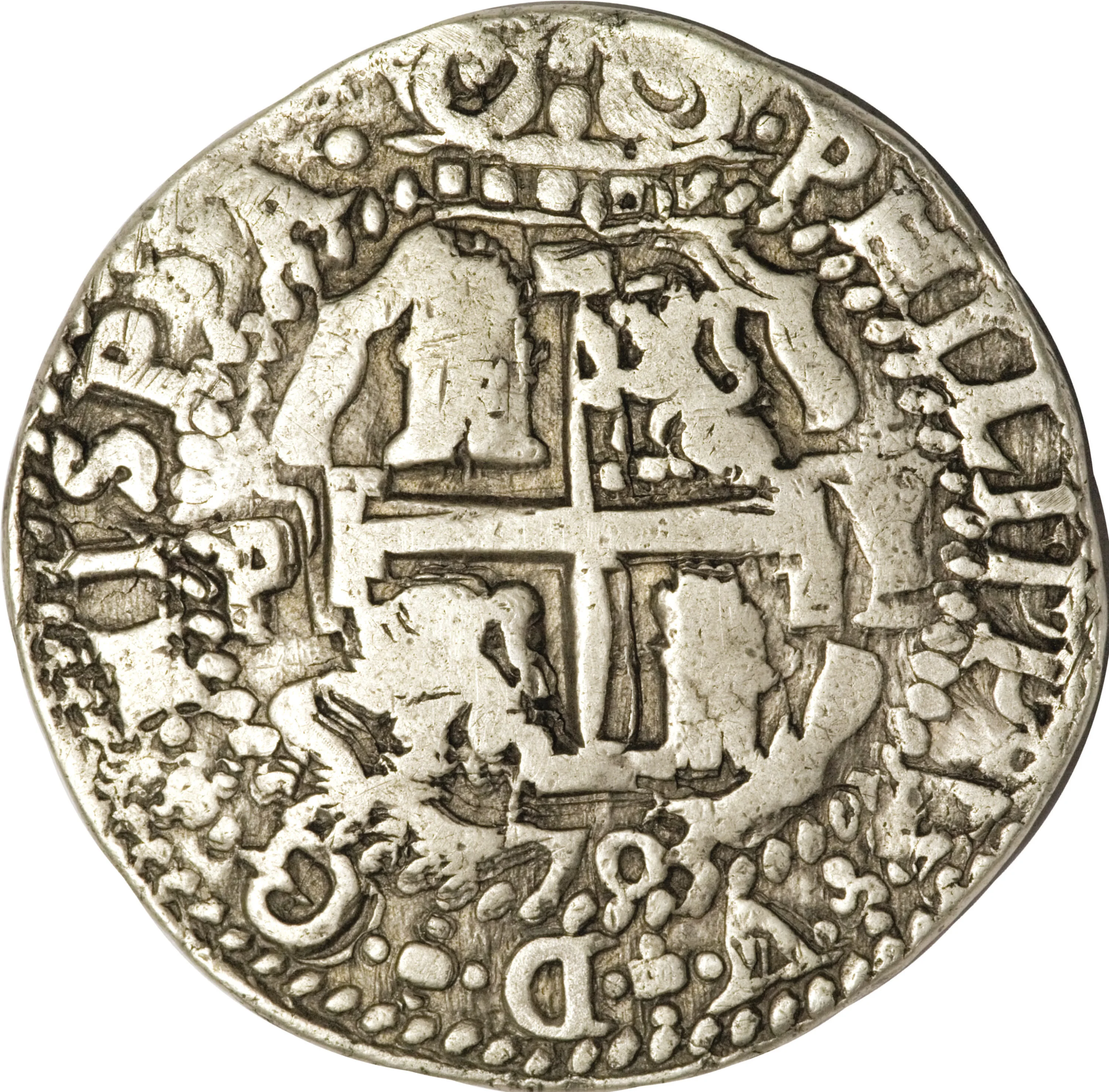
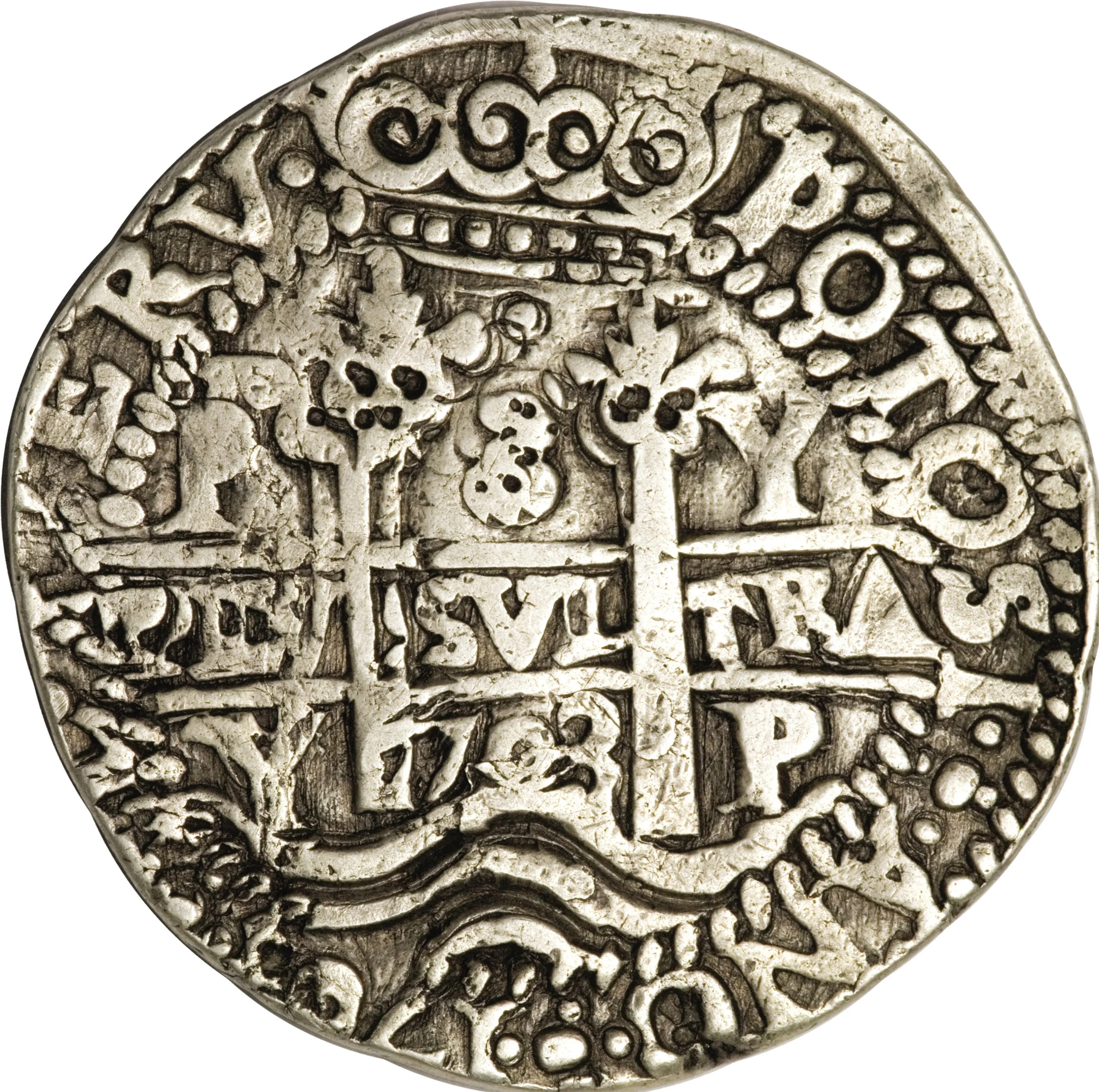
In 1701, the currency situation in the Royal Audiencia of Charcas (modern Bolivia) was defined by its role as the financial heart of the Spanish Empire in South America. The discovery of the massive silver deposit at Potosí in 1545 had made the region the world's largest source of silver for over a century. The primary currency was silver in both raw bullion and minted coin, with the legendary "Pieces of Eight" (reales) produced at the Potosí Mint serving as a global currency. However, the system was plagued by a century-long crisis stemming from widespread debasement and fraud at the mint in the early 1600s, which had severely damaged the international reputation of Potosí coinage.
The Spanish Crown, under the new Bourbon dynasty following the War of Spanish Succession, was actively seeking to reform and tighten control over its colonial economies. In Bolivia, this meant ongoing efforts to restore integrity to the coinage. The technical flaws and silver purity scandals of the previous century had led to strict royal assays and attempts to standardize minting, but confidence in the coinage remained a sensitive issue. The economy operated on a dual system: reliable Spanish-minted coinage circulated alongside the suspect but ubiquitous Potosí coins, often at differing values, creating a complex environment for local and international trade.
Furthermore, the currency situation was intrinsically linked to the brutal, labor-intensive mining economy powered by the mit'a system of forced Indigenous labor. The volume of silver production, while still immense, was beginning to decline from its peak, putting pressure on the region's economic engine. Internally, a chronic shortage of small-denomination currency (moneda menuda) for everyday transactions hampered local markets, leading to the use of informal substitutes like coca leaves or barter in rural areas. Thus, in 1701, Bolivia's currency was a paradox: a land of fabulous mineral wealth struggling with the legacy of monetary corruption and the practical challenges of sustaining a reliable circulating medium.
The Spanish Crown, under the new Bourbon dynasty following the War of Spanish Succession, was actively seeking to reform and tighten control over its colonial economies. In Bolivia, this meant ongoing efforts to restore integrity to the coinage. The technical flaws and silver purity scandals of the previous century had led to strict royal assays and attempts to standardize minting, but confidence in the coinage remained a sensitive issue. The economy operated on a dual system: reliable Spanish-minted coinage circulated alongside the suspect but ubiquitous Potosí coins, often at differing values, creating a complex environment for local and international trade.
Furthermore, the currency situation was intrinsically linked to the brutal, labor-intensive mining economy powered by the mit'a system of forced Indigenous labor. The volume of silver production, while still immense, was beginning to decline from its peak, putting pressure on the region's economic engine. Internally, a chronic shortage of small-denomination currency (moneda menuda) for everyday transactions hampered local markets, leading to the use of informal substitutes like coca leaves or barter in rural areas. Thus, in 1701, Bolivia's currency was a paradox: a land of fabulous mineral wealth struggling with the legacy of monetary corruption and the practical challenges of sustaining a reliable circulating medium.
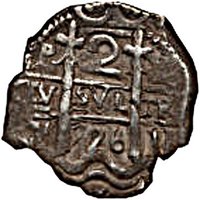
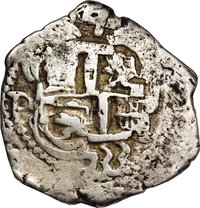
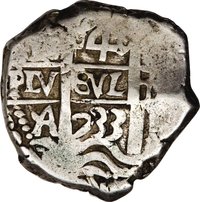
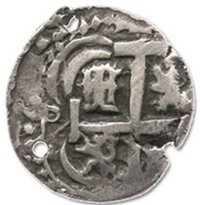
Series: 1701 Bolivia circulation coins
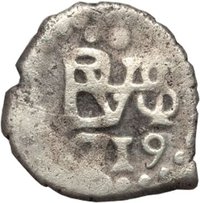
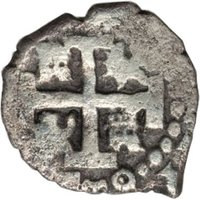
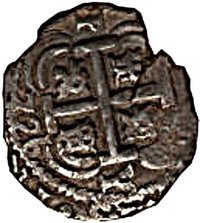
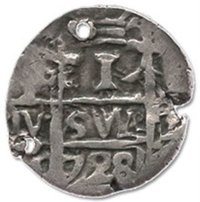
💎 Extremely Rare