

Iran
Material
References
KM: #Click to copy to clipboard525.5
Numista: #61621
Value
Bullion value: $447.02
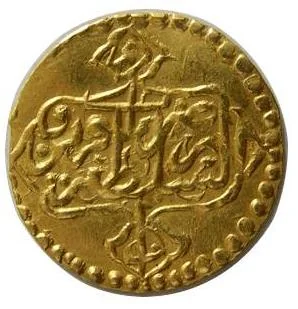
Obverse
Description:
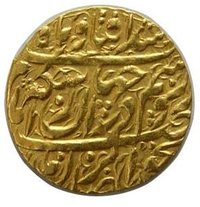
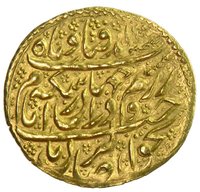
Qazvin mint coin.
Inscription:
یا کریم
ضرب دارالسلطنه قزوین
ضرب دارالسلطنه قزوین
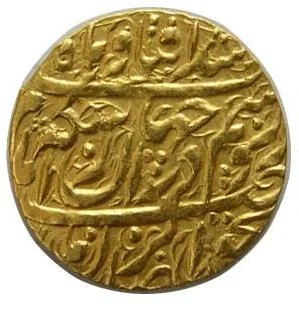
Reverse
Inscription:
شد آفتاب و ماه زر و سیم در جهان
از سکه امام بحق صاحب زمان
از سکه امام بحق صاحب زمان
Edge
Plain
Mints
| Name | Mark |
|---|---|
| Qazwin | قزوین |
Mintings
| Year | Mint Mark | Mintage | Quality | Collection |
|---|---|---|---|---|
| 1764 | — | — | ||
| 1769 | — | — |
Historical background
In 1764, Iran's currency situation was characterized by instability and fragmentation, a direct consequence of the political turmoil following the collapse of the Safavid dynasty in 1722. The country was under the rule of the Zand dynasty, founded by Karim Khan Zand, who had established his capital in Shiraz and controlled much of central and southern Iran. However, his authority was not absolute, with rivals like the Qajars in the north and various tribal khans maintaining their own regional mints and fiscal policies. This political decentralization meant there was no unified national monetary system.
The currency in circulation was primarily silver, in the form of coins like the abbasi and the rial. The most important unit was the toman, a money of account equal to 10,000 dinars, though no coin of that name was minted. Karim Khan Zand sought to bring order by standardizing coinage, notably issuing silver lari coins bearing his name from the Shiraz mint. However, the quality, weight, and silver content of coins varied significantly between different regional mints, leading to confusion in trade and frequent need for money changers (sarraf). Furthermore, decades of war and instability had disrupted silver supplies from Ottoman and Mughal trade routes, often leading to debasement and a scarcity of high-quality specie.
This monetary fragmentation reflected the broader economic challenges of the period. While Karim Khan's reign (1751-1779) brought a relative peace that encouraged some commercial revival, the lack of a fully centralized currency hindered larger economic integration. The system remained vulnerable, relying heavily on the strength and oversight of the ruling Shah. The currency situation in 1764 was thus one of cautious stabilization under Karim Khan, but it remained fragile, regionally diverse, and entirely dependent on the continued political cohesion of the Zand realm—a cohesion that would fracture after his death in 1779.
The currency in circulation was primarily silver, in the form of coins like the abbasi and the rial. The most important unit was the toman, a money of account equal to 10,000 dinars, though no coin of that name was minted. Karim Khan Zand sought to bring order by standardizing coinage, notably issuing silver lari coins bearing his name from the Shiraz mint. However, the quality, weight, and silver content of coins varied significantly between different regional mints, leading to confusion in trade and frequent need for money changers (sarraf). Furthermore, decades of war and instability had disrupted silver supplies from Ottoman and Mughal trade routes, often leading to debasement and a scarcity of high-quality specie.
This monetary fragmentation reflected the broader economic challenges of the period. While Karim Khan's reign (1751-1779) brought a relative peace that encouraged some commercial revival, the lack of a fully centralized currency hindered larger economic integration. The system remained vulnerable, relying heavily on the strength and oversight of the ruling Shah. The currency situation in 1764 was thus one of cautious stabilization under Karim Khan, but it remained fragile, regionally diverse, and entirely dependent on the continued political cohesion of the Zand realm—a cohesion that would fracture after his death in 1779.
✨ Legendary