

¼ mohur – Iran
Add to wishlist
Iran
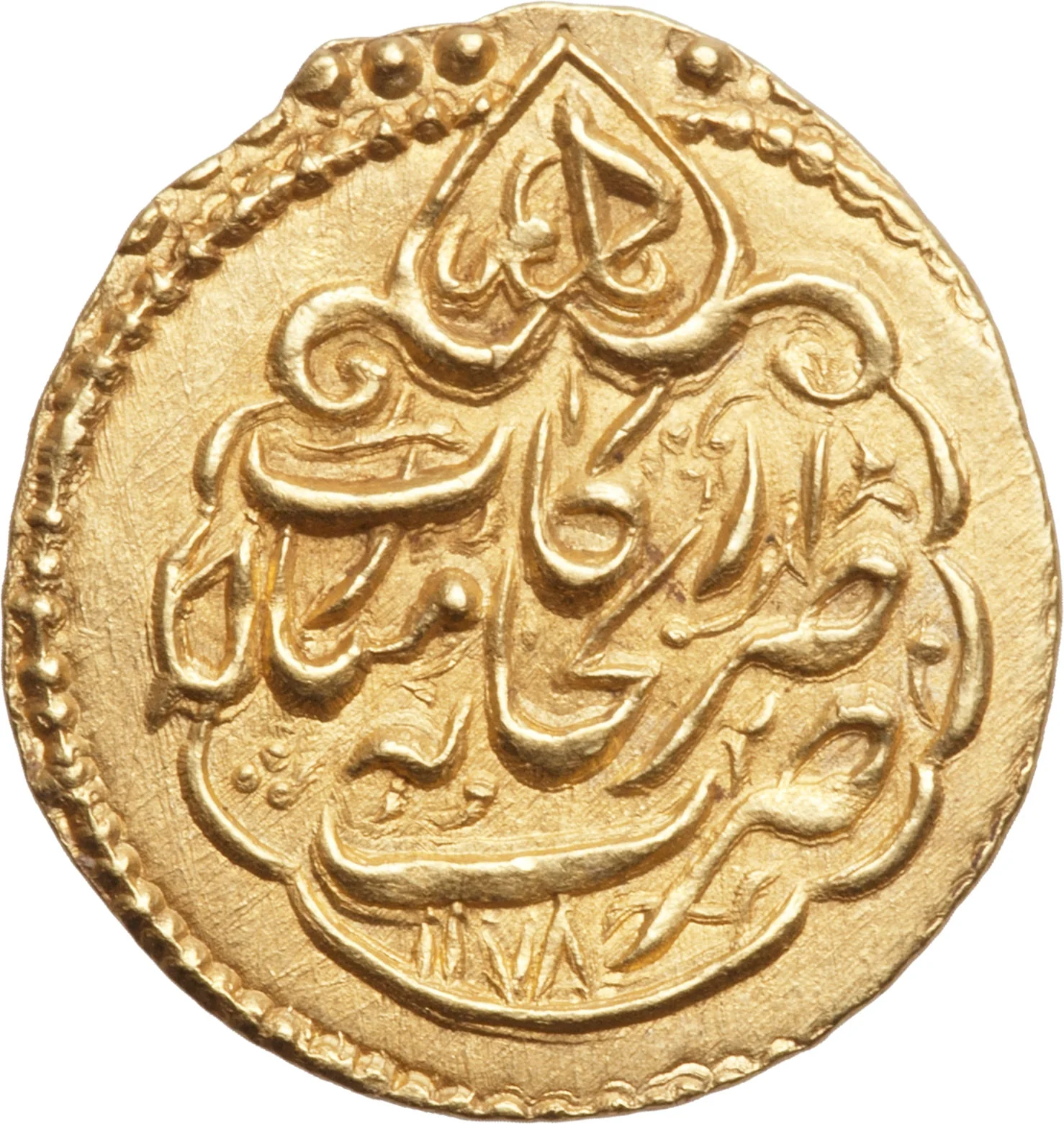
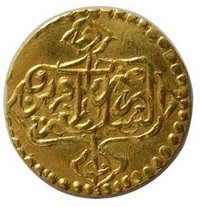
Obverse
Inscription:
یا کریم
ضرب ضرابخانه مبارکه رکاب
۱۱۷۸
ضرب ضرابخانه مبارکه رکاب
۱۱۷۸
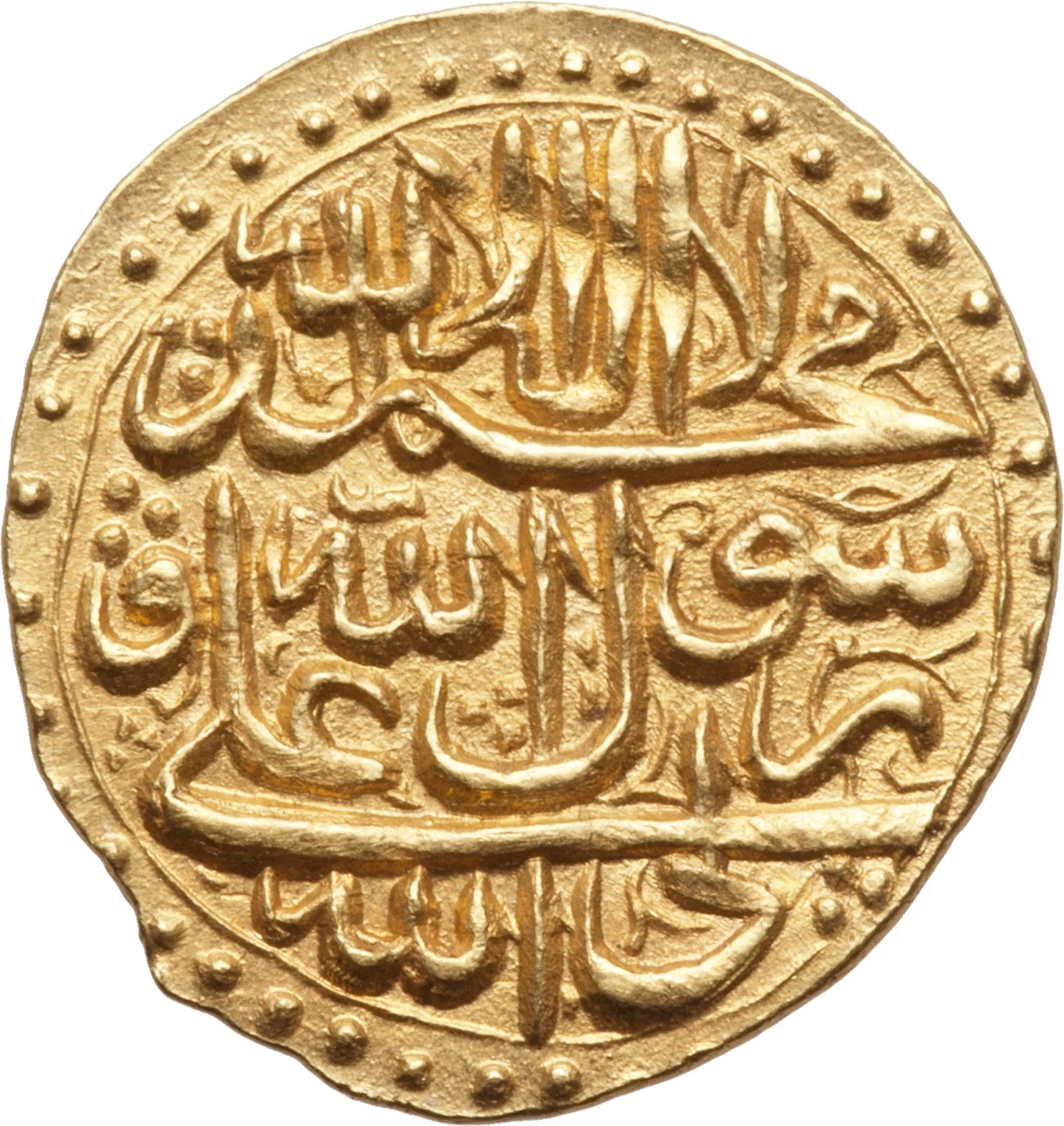
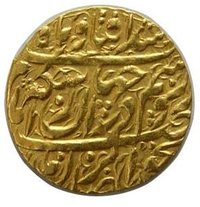
Reverse
Inscription:
لا اله الا الله
محـــــمد رسول الله
علی ولی الله
محـــــمد رسول الله
علی ولی الله
Edge
Plain
Mintings
| Year | Mint Mark | Mintage | Quality | Collection |
|---|---|---|---|---|
| 1763 | — | — | ||
| 1764 | — | — | ||
| 1765 | — | — |
Historical background
In 1763, Iran was under the rule of the Zand dynasty, founded by Karim Khan Zand, who had established his capital in Shiraz. The period was one of relative stability and recovery following decades of civil war and foreign invasion after the collapse of the Safavid Empire. Karim Khan, notably refusing the title of Shah and ruling as Vakil al-Ra'aya (Representative of the People), focused on economic rehabilitation, justice, and domestic trade. This context is crucial for understanding the currency situation, as his reign provided a brief respite from the monetary chaos that had preceded and would follow his rule.
The Iranian monetary system was bimetallic, based on silver and gold, though silver was the primary metal for everyday transactions. The principal silver coin was the rial, a unit of account, but the most important circulating coin was the abbasi, valued at about 200 dinars. Gold tumans (a unit of account equal to 10,000 dinars) and mohurs were minted for larger transactions and trade. Crucially, Karim Khan worked to standardize the coinage minted in Shiraz and other major cities, ensuring a reliable weight and purity to restore public trust in the currency. This was a significant improvement from the earlier period, where various pretenders and regional khans issued debased and unreliable coinage, severely disrupting the economy.
However, the system faced inherent limitations. Iran's economy was heavily dependent on foreign trade, particularly with the Ottoman Empire, Russia, and through the Persian Gulf with the British and Dutch East India Companies. This led to a constant flow of foreign silver coins, like the Dutch leeuwendaalder (lion dollar) and Maria Theresa thalers, circulating alongside domestic issues. Furthermore, the Zand control over the entire former Safavid territory was incomplete, and regional khans in areas like the Caucasus and Khorasan often issued their own less reliable coins. Therefore, while 1763 represents a high point of monetary stability under Karim Khan, the system remained fragile, decentralized, and vulnerable to the influx of foreign specie and the political fragmentation that would return after his death in 1779.
The Iranian monetary system was bimetallic, based on silver and gold, though silver was the primary metal for everyday transactions. The principal silver coin was the rial, a unit of account, but the most important circulating coin was the abbasi, valued at about 200 dinars. Gold tumans (a unit of account equal to 10,000 dinars) and mohurs were minted for larger transactions and trade. Crucially, Karim Khan worked to standardize the coinage minted in Shiraz and other major cities, ensuring a reliable weight and purity to restore public trust in the currency. This was a significant improvement from the earlier period, where various pretenders and regional khans issued debased and unreliable coinage, severely disrupting the economy.
However, the system faced inherent limitations. Iran's economy was heavily dependent on foreign trade, particularly with the Ottoman Empire, Russia, and through the Persian Gulf with the British and Dutch East India Companies. This led to a constant flow of foreign silver coins, like the Dutch leeuwendaalder (lion dollar) and Maria Theresa thalers, circulating alongside domestic issues. Furthermore, the Zand control over the entire former Safavid territory was incomplete, and regional khans in areas like the Caucasus and Khorasan often issued their own less reliable coins. Therefore, while 1763 represents a high point of monetary stability under Karim Khan, the system remained fragile, decentralized, and vulnerable to the influx of foreign specie and the political fragmentation that would return after his death in 1779.

✨ Legendary