

3 Kreuzer – Austrian Empire
Austria
Context
Years: 1666–1677
Country: Austria 
Issuer: Austrian Empire
Ruler: Leopold I
Currency:
(1520—1754)
Demonetized: Yes
Material
References
KM: #Click to copy to clipboard1169
Numista: #6156
Value
Bullion value: $5.12
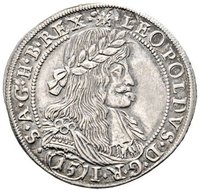
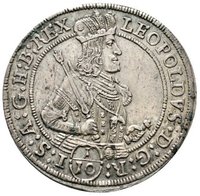
Obverse
Description:
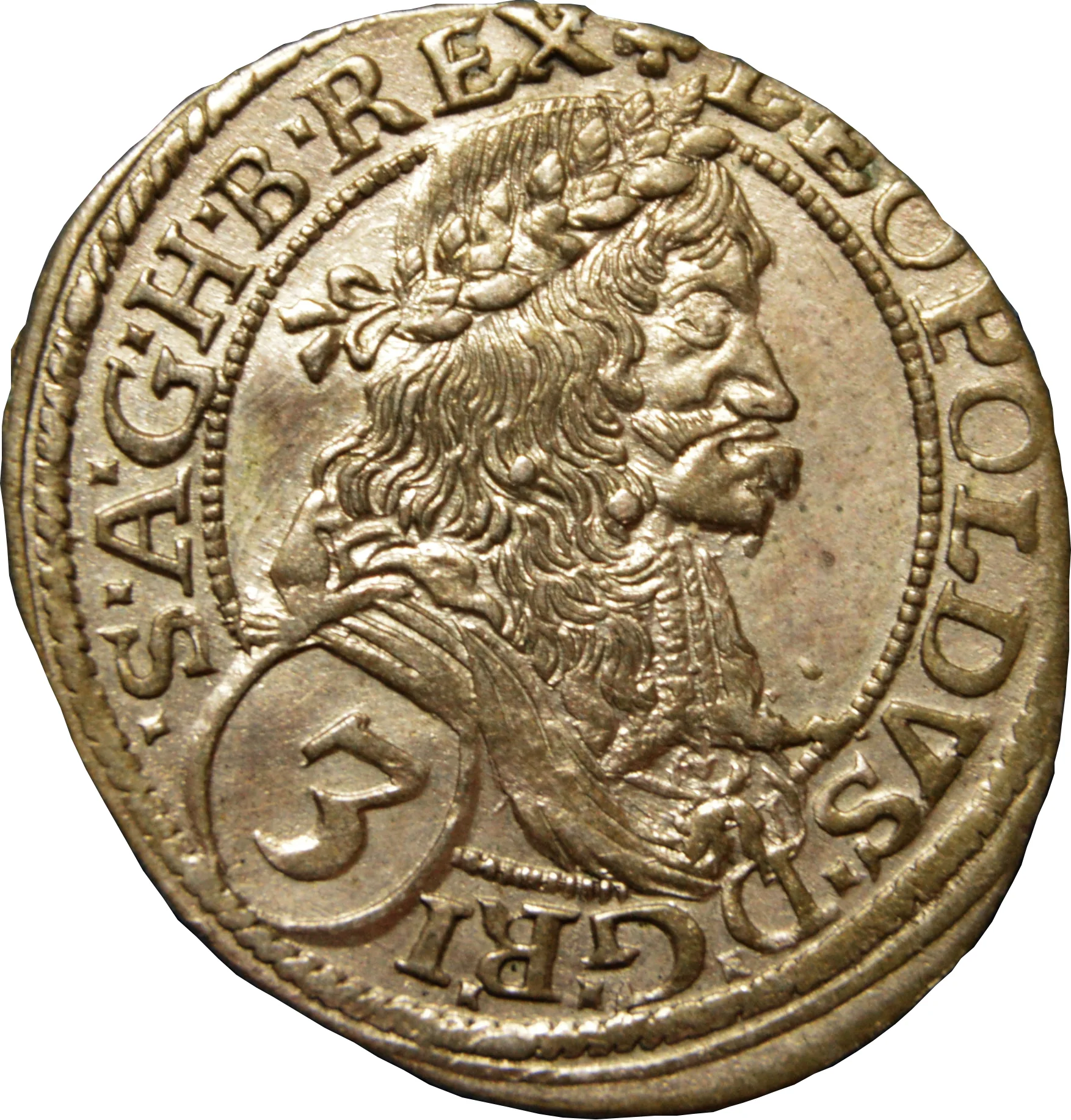
Leopold I of Habsburg (1640-1705), facing right. Circumscribed legend: "Leopoldus... rex".
Inscription:
LEOPOLDVS·D·G·R·I· S·A·G·H·B·REX
3
3
Script: Latin
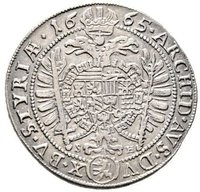
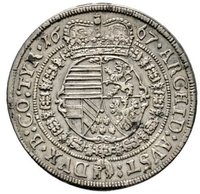
Reverse
Description:
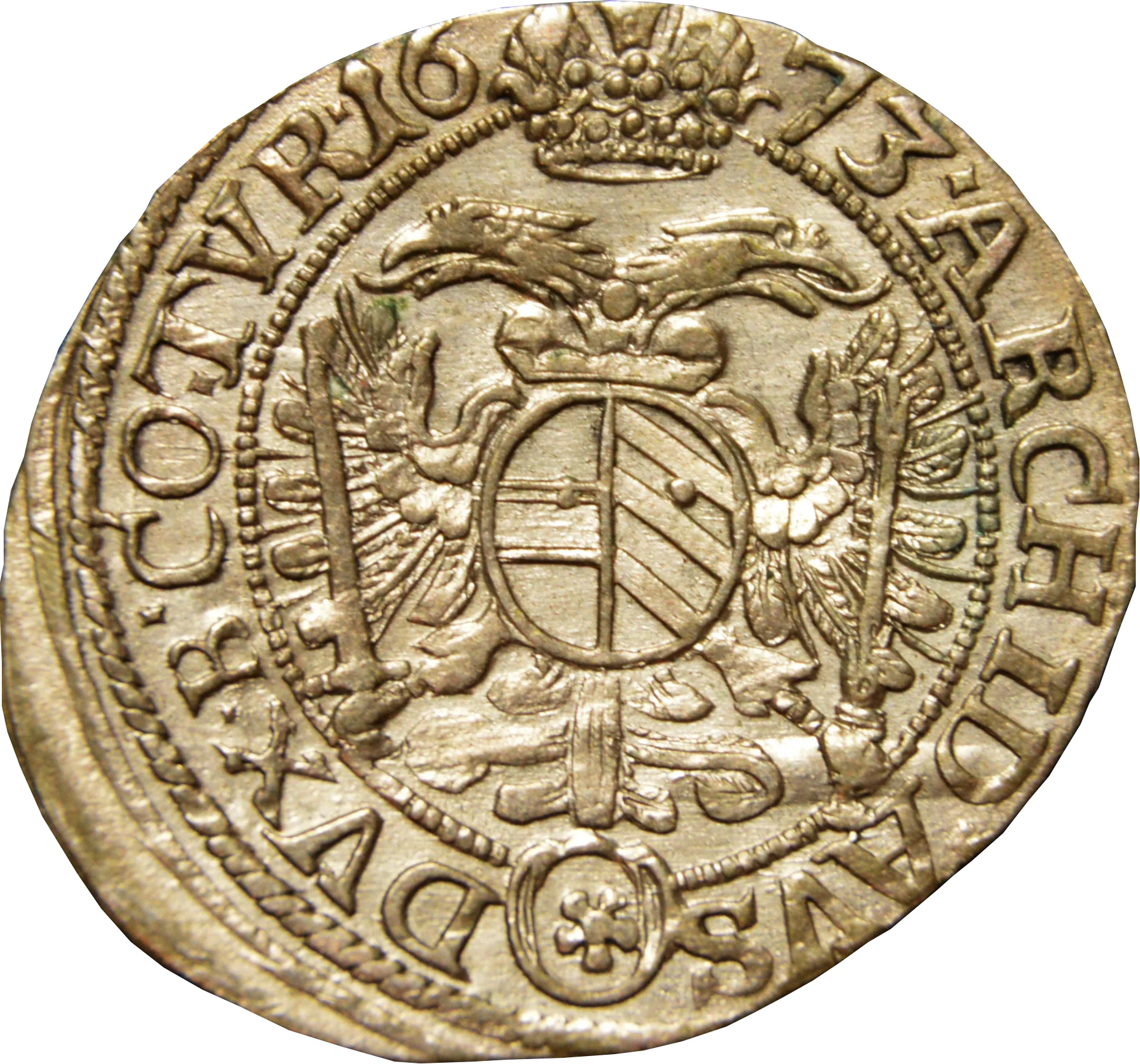
Crowned double-headed eagle with a shield (flat-topped or oval) bearing the arms of Austria and Burgundy. Date above the crown; legend reads "Archidux Austriae, Dux Burgundiae, Comes Tyrolis".
Inscription:
73·ARCHID·AVS DVX·B·CO·TVR·16
Script: Latin
Edge
Mints
| Name | Mark |
|---|---|
| Münze Österreich | — |
Mintings
| Year | Mint Mark | Mintage | Quality | Collection |
|---|---|---|---|---|
| 1666 | — | — | ||
| 1667 | — | — | ||
| 1668 | — | — | ||
| 1669 | — | — | ||
| 1670 | — | — | ||
| 1672 | — | — | ||
| 1673 | — | — | ||
| 1674 | — | — | ||
| 1675 | — | — | ||
| 1677 | — | — |
Historical background
In 1666, the currency system of the Habsburg-ruled Austrian Empire was a complex and fragile patchwork, still reeling from the financial and demographic devastation of the Thirty Years' War (1618-1648). The primary unit was the silver Reichsthaler, but the everyday economy relied on a multitude of debased subsidiary coins, such as Kreuzers and Groschen, minted not only by the central authority but also by various provincial estates and cities. This proliferation of coinages, often with varying silver content, created chronic confusion, facilitated fraud, and hindered trade across the empire's diverse territories.
The situation was exacerbated by a severe shortage of physical silver, the lifeblood of the monetary system. This scarcity, combined with the state's persistent budget deficits from military campaigns against the Ottoman Empire, led to repeated official debasements. The government would issue new coins with the same face value but reduced precious metal content, a short-term measure to raise revenue that ultimately eroded public trust and sparked inflation. Consequently, "good" full-weight coins were often hoarded or melted down, leaving only the poorer currency in circulation—a classic example of Gresham's Law.
Emperor Leopold I's court in Vienna recognized these problems, but comprehensive reform remained elusive. Efforts were reactive rather than strategic, focused on occasional prohibitions against specific debased coins or temporary fixes to the coinage. A stable, unified monetary system would not be achieved until the great recoinage and standardization efforts of the early 18th century. Thus, in 1666, the Austrian Empire operated with a weakened and unstable currency, a significant obstacle to economic recovery and central administrative control.
The situation was exacerbated by a severe shortage of physical silver, the lifeblood of the monetary system. This scarcity, combined with the state's persistent budget deficits from military campaigns against the Ottoman Empire, led to repeated official debasements. The government would issue new coins with the same face value but reduced precious metal content, a short-term measure to raise revenue that ultimately eroded public trust and sparked inflation. Consequently, "good" full-weight coins were often hoarded or melted down, leaving only the poorer currency in circulation—a classic example of Gresham's Law.
Emperor Leopold I's court in Vienna recognized these problems, but comprehensive reform remained elusive. Efforts were reactive rather than strategic, focused on occasional prohibitions against specific debased coins or temporary fixes to the coinage. A stable, unified monetary system would not be achieved until the great recoinage and standardization efforts of the early 18th century. Thus, in 1666, the Austrian Empire operated with a weakened and unstable currency, a significant obstacle to economic recovery and central administrative control.
⭐ Somewhat Rare