

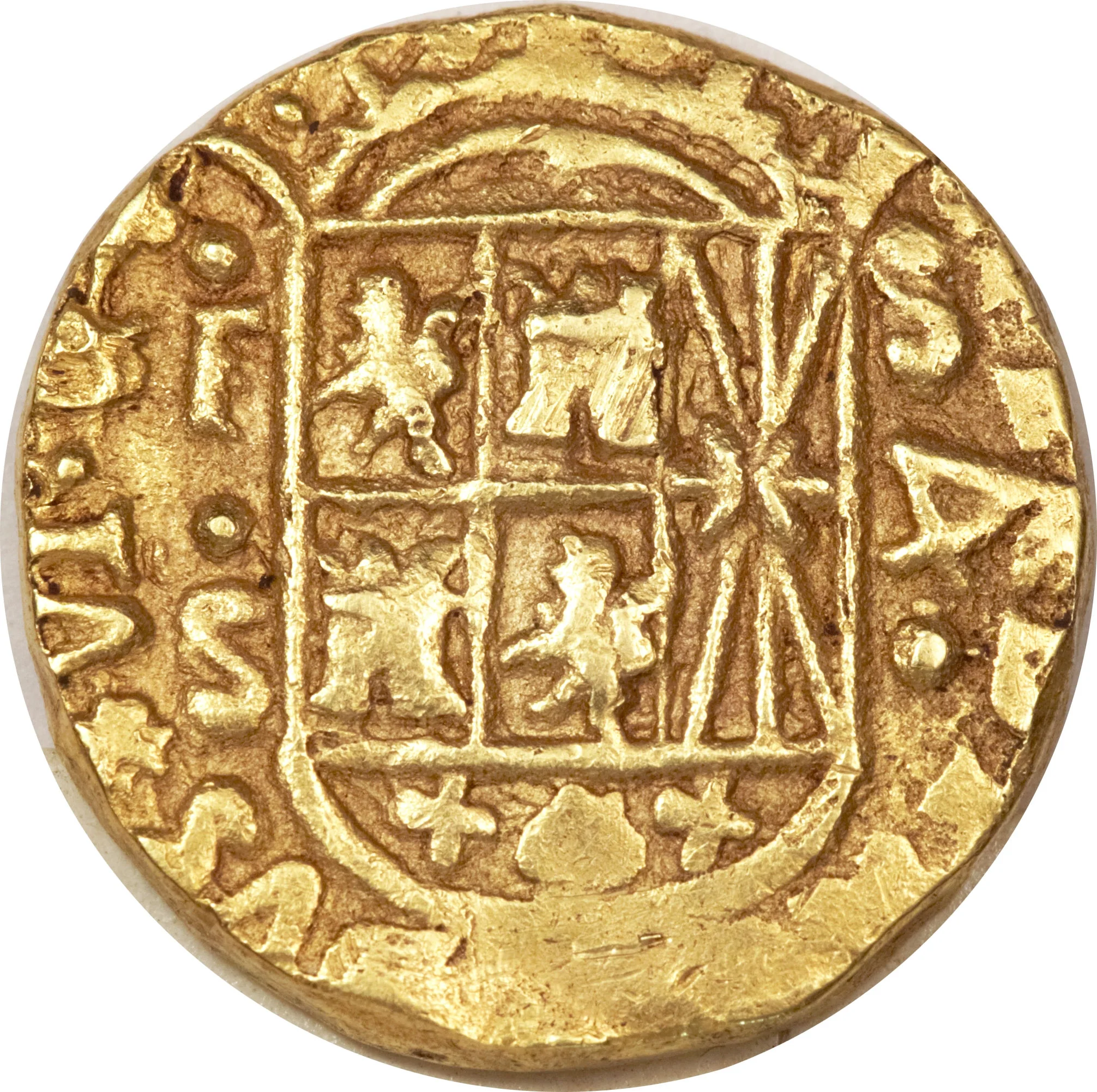
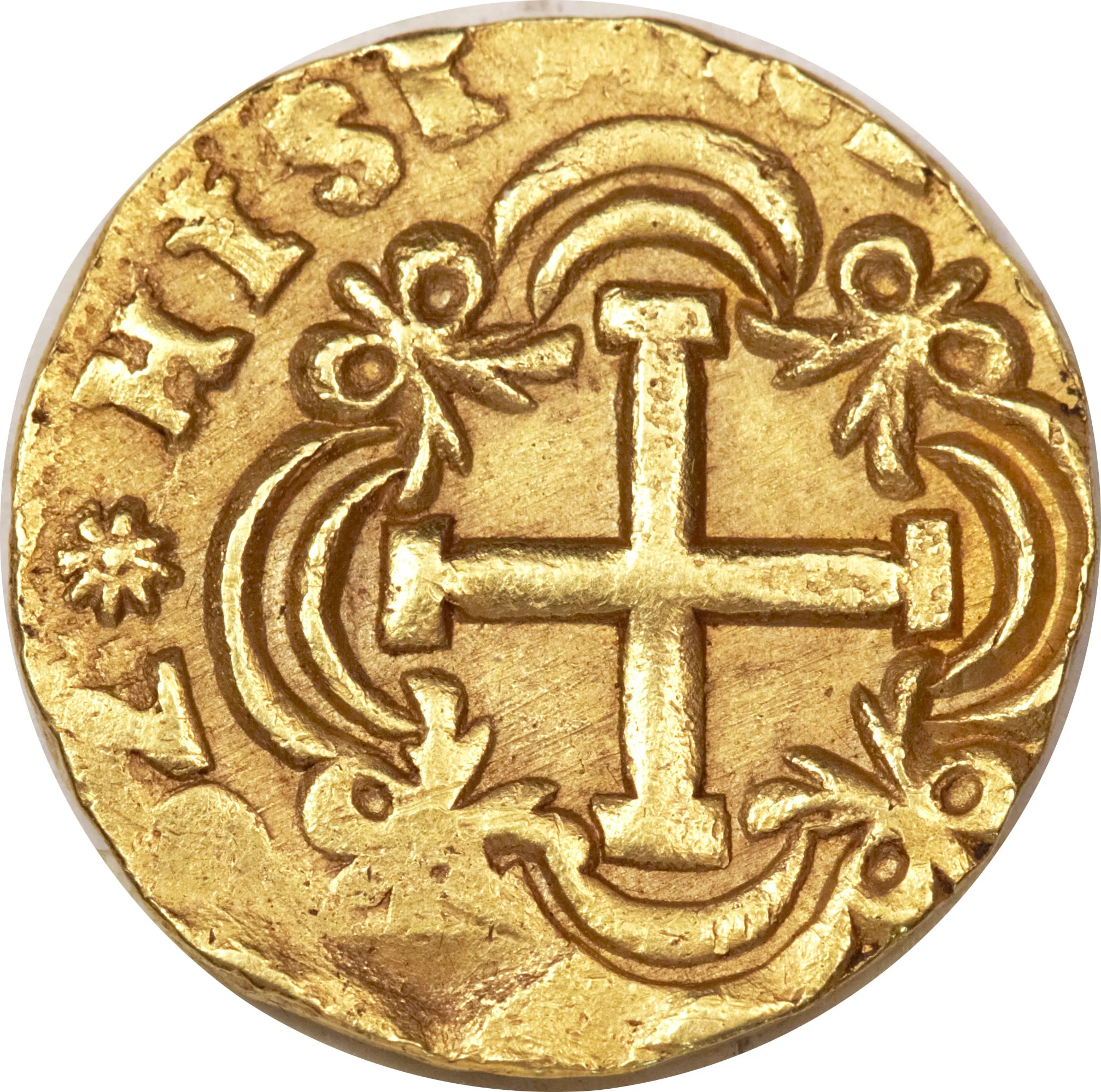
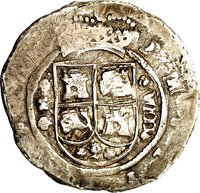
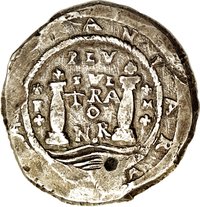
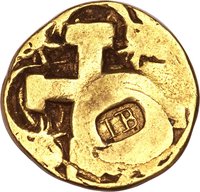
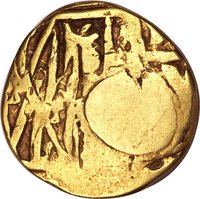
4 escudos – Colombia
Add to wishlist
Colombia
Context
Material
Weight: 13.53 g
Gold Weight:: 12.41 g
Shape: Irregular round
Composition: 91.7% Gold
Magnetic: No
Alignment: Medal alignment
flip
References
KM: #
Numista: #61444
Value
Bullion value: $1906.08
Categories
| Symbols> Coat of Arms |
Mints
| Name | Mark |
|---|---|
| Bogota Mint | (FS) |
Mintings
| Year | Mint Mark | Mintage | Quality | Collection |
|---|---|---|---|---|
| 1746 | FS | — | ||
| 1747 | FS | — | ||
| 1748 | FS | — | ||
| 1749 | FS | — | ||
| 1750 | FS | — | ||
| 1751 | FS | — | ||
| 1752 | FS | — | ||
| 1753 | FS | — | ||
| 1754 | FS | — | ||
| 1755 | FS | — | ||
| 1756 | FS | — |
Historical background
In 1746, the currency situation in the Kingdom of New Granada (modern-day Colombia) was characterized by chronic scarcity, rampant counterfeiting, and administrative confusion. The primary circulating coins were silver reales and gold escudos, minted at the Royal Mint in Santa Fe de Bogotá. However, the supply of officially minted coinage was insufficient for the needs of the local economy, leading to a heavy reliance on a chaotic mix of older, worn coins and a flood of crude, locally produced counterfeits known as macuquinas. This scarcity was exacerbated by Spain's mercantilist policies, which drained precious metals to the metropolis, and by the physical difficulty of transporting coins across the colony's rugged terrain.
The monetary chaos was further compounded by the lack of a uniform standard. While the mint operated under royal authority, the widespread circulation of counterfeit and clipped coins meant the actual value of any given coin was uncertain in daily transactions. This environment of instability hindered commerce and tax collection, as the colonial government struggled to assert control over the money supply. The problem was systemic; even legitimate coins were often irregularly shaped and easily tampered with, making trust in the currency's intrinsic value a persistent issue.
Recognizing the crisis, the Spanish Crown had already taken a significant step toward reform. In 1739, the new, machine-struck "pillar" coins from the Mexico City mint were declared the sole legal tender for all overseas trade, aiming to phase out the old macuquinas. By 1746, this reform was in a transitional phase, creating a dual system where modern, milled coins circulated alongside the older, problematic ones. Thus, the year represents a point of tension between a decaying old order and a nascent, centralized monetary system imposed by Madrid, with the full stabilization of the currency still decades away.
The monetary chaos was further compounded by the lack of a uniform standard. While the mint operated under royal authority, the widespread circulation of counterfeit and clipped coins meant the actual value of any given coin was uncertain in daily transactions. This environment of instability hindered commerce and tax collection, as the colonial government struggled to assert control over the money supply. The problem was systemic; even legitimate coins were often irregularly shaped and easily tampered with, making trust in the currency's intrinsic value a persistent issue.
Recognizing the crisis, the Spanish Crown had already taken a significant step toward reform. In 1739, the new, machine-struck "pillar" coins from the Mexico City mint were declared the sole legal tender for all overseas trade, aiming to phase out the old macuquinas. By 1746, this reform was in a transitional phase, creating a dual system where modern, milled coins circulated alongside the older, problematic ones. Thus, the year represents a point of tension between a decaying old order and a nascent, centralized monetary system imposed by Madrid, with the full stabilization of the currency still decades away.
✨ Legendary