

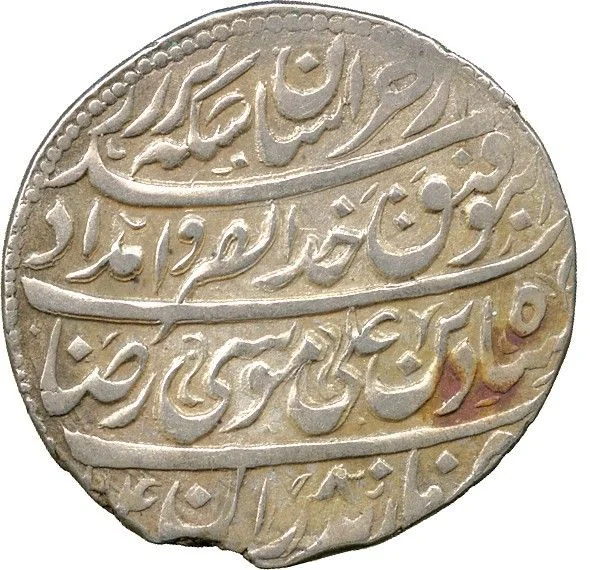
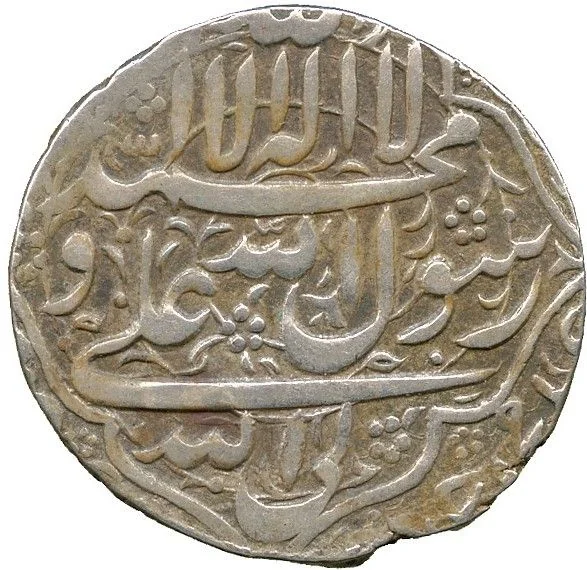
4 Shahi – Eastern Provinces
Iran
Context

Material
Diameter: 24.5 mm
Weight: 5.48 g
Silver weight: 5.48 g
Shape: Irregular round
Composition: Silver
Magnetic: No
Technique: Hammered
Alignment: Coin alignment
flip
References
KM: #Click to copy to clipboard352.4
Numista: #61364
Value
Bullion value: $15.87
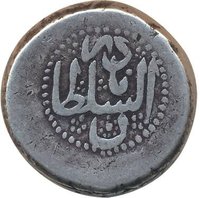
Obverse
Inscription:
از خراسان سکه بر زر شد به توفیق خدا
نصرت و امداد شاه دین علی موسی رضا
ضرب مازندران
۱۱۴۸
نصرت و امداد شاه دین علی موسی رضا
ضرب مازندران
۱۱۴۸
Script: Persian
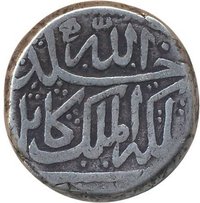
Reverse
Edge
Plain
Mintings
| Year | Mint Mark | Mintage | Quality | Collection |
|---|---|---|---|---|
| 1731 | — | — | ||
| 1732 | — | — | ||
| 1734 | — | — | ||
| 1736 | — | — |
Historical background
In 1731, the Eastern Provinces of British North America faced a chronic and multifaceted currency crisis rooted in their mercantilist relationship with the mother country. The colonies operated under a persistent trade deficit with Britain, as they exported raw materials (like timber, fish, and furs) but were required to import nearly all finished manufactured goods. This resulted in a constant drain of hard currency—specie like Spanish silver dollars, British shillings, and Portuguese gold coins—back to England to settle debts. The British Parliament, through policies like the Currency Acts, also discouraged or outright banned the establishment of colonial mints, preventing the provinces from officially coining their own money to fill the void.
Consequently, a chaotic and inventive monetary system emerged to facilitate daily commerce. Colonial governments issued paper bills of credit, essentially promissory notes backed by future tax revenues, which became the primary medium for local transactions and paying public debts. Simultaneously, a wide array of foreign coins circulated at negotiated values, and "commodity money" like tobacco in the Chesapeake or beaver pelts in northern regions served as informal currency. This patchwork system was highly unstable; paper money often depreciated rapidly, especially when over-issued to finance military conflicts like the recent French and Indian wars, leading to price inflation and creditor distrust.
The year 1731 fell within a period of heightened tension over this issue. While not under the blanket prohibition that would come with the 1751 Currency Act, many colonies faced pressure from British merchants and the Board of Trade to restrain their paper currency emissions. The situation created a sharp political divide within the provinces between debtors (often farmers and artisans) who favored plentiful paper money to ease repayment and stimulate the economy, and creditors (wealthy merchants and London agents) who demanded sound, stable currency to protect their investments. Thus, the currency background of 1731 was one of scarcity, improvisation, and growing conflict between colonial economic necessity and imperial control.
Consequently, a chaotic and inventive monetary system emerged to facilitate daily commerce. Colonial governments issued paper bills of credit, essentially promissory notes backed by future tax revenues, which became the primary medium for local transactions and paying public debts. Simultaneously, a wide array of foreign coins circulated at negotiated values, and "commodity money" like tobacco in the Chesapeake or beaver pelts in northern regions served as informal currency. This patchwork system was highly unstable; paper money often depreciated rapidly, especially when over-issued to finance military conflicts like the recent French and Indian wars, leading to price inflation and creditor distrust.
The year 1731 fell within a period of heightened tension over this issue. While not under the blanket prohibition that would come with the 1751 Currency Act, many colonies faced pressure from British merchants and the Board of Trade to restrain their paper currency emissions. The situation created a sharp political divide within the provinces between debtors (often farmers and artisans) who favored plentiful paper money to ease repayment and stimulate the economy, and creditors (wealthy merchants and London agents) who demanded sound, stable currency to protect their investments. Thus, the currency background of 1731 was one of scarcity, improvisation, and growing conflict between colonial economic necessity and imperial control.
✨ Legendary