

1 Ashrafi – Eastern Provinces
Iran
Context

Material
References
KM: #Click to copy to clipboard353
Numista: #62336
Value
Bullion value: $584.55
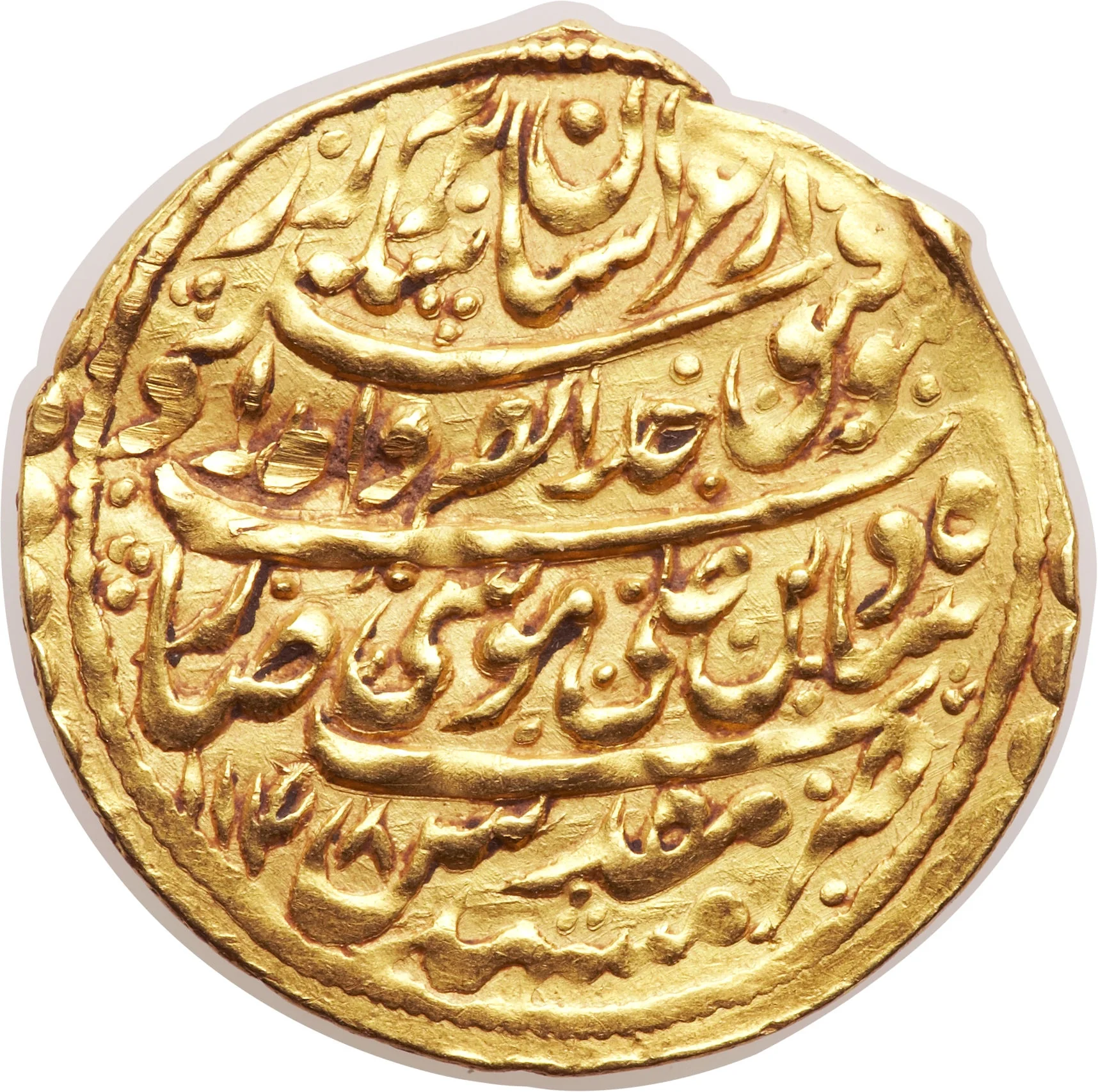
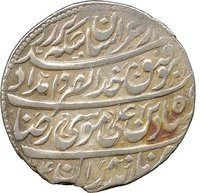
Obverse
Inscription:
از خراسان سکه بر زر شد بتوفیق خدا
نصرت و امداد شاه دین علی موسی رضا
ضرب مشهد مقدس ۱۱۴۸
نصرت و امداد شاه دین علی موسی رضا
ضرب مشهد مقدس ۱۱۴۸
Script: Persian
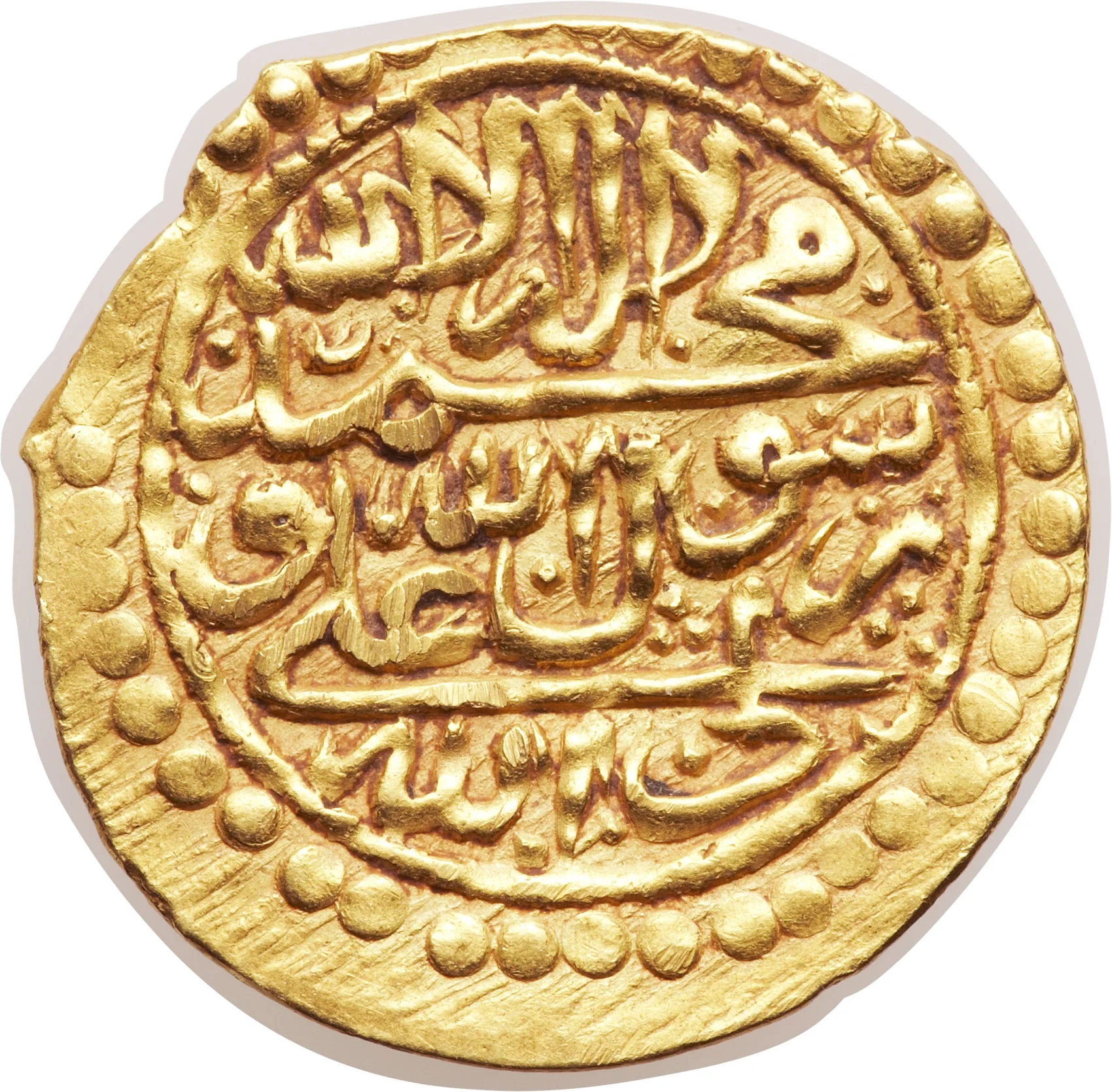
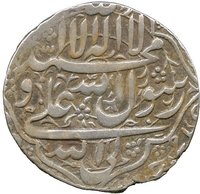
Reverse
Inscription:
لا اله الا الله
محــــــمّد
رسول الله علی و
لی الله
محــــــمّد
رسول الله علی و
لی الله
Script: Persian
Edge
Plain
Mints
| Name | Mark |
|---|---|
| Mashhad Muqaddas | — |
Mintings
| Year | Mint Mark | Mintage | Quality | Collection |
|---|---|---|---|---|
| 1734 | — | — | ||
| 1736 | — | — |
Historical background
In 1734, the Eastern Provinces of British North America faced a chronic and debilitating shortage of official currency. The mercantilist policies of the British Empire strictly prohibited the minting of local coinage and limited the export of sterling from England, creating a systemic deficit. While the Spanish dollar, or "piece of eight," circulated widely due to trade with the Caribbean, it was insufficient for daily commerce. This scarcity forced colonists to rely on a confusing patchwork of alternatives, including commodity money (like tobacco in the southern provinces), book credit, and promissory notes, which hampered inter-colonial trade and economic growth.
The situation was further complicated by the proliferation of paper money, particularly in New England. To finance earlier conflicts like Queen Anne's War and to stimulate local economies, several colonial legislatures had issued their own paper bills of credit. By 1734, these bills often traded at a significant discount to their face value in sterling, varying wildly from colony to colony and creating exchange-rate chaos. British merchants, unhappy with being paid in depreciated currency, lobbied Parliament for intervention, setting the stage for future restrictive currency acts that would become a major point of colonial grievance.
Despite these challenges, the currency crisis of 1734 also demonstrated colonial ingenuity. Local economies adapted through barter systems and the use of "country pay," while some merchants and even colonial governments resorted to cutting Spanish dollars into fractional pieces, giving rise to the term "pieces of eight" and the later "two bits." This environment of monetary improvisation fostered a growing financial independence and a practical understanding of currency valuation that contrasted sharply with the rigid theories of distant British policymakers, subtly deepening the economic divide between the colonies and the mother country.
The situation was further complicated by the proliferation of paper money, particularly in New England. To finance earlier conflicts like Queen Anne's War and to stimulate local economies, several colonial legislatures had issued their own paper bills of credit. By 1734, these bills often traded at a significant discount to their face value in sterling, varying wildly from colony to colony and creating exchange-rate chaos. British merchants, unhappy with being paid in depreciated currency, lobbied Parliament for intervention, setting the stage for future restrictive currency acts that would become a major point of colonial grievance.
Despite these challenges, the currency crisis of 1734 also demonstrated colonial ingenuity. Local economies adapted through barter systems and the use of "country pay," while some merchants and even colonial governments resorted to cutting Spanish dollars into fractional pieces, giving rise to the term "pieces of eight" and the later "two bits." This environment of monetary improvisation fostered a growing financial independence and a practical understanding of currency valuation that contrasted sharply with the rigid theories of distant British policymakers, subtly deepening the economic divide between the colonies and the mother country.
✨ Legendary