

20 Shahi – Eastern Provinces
Iran
Context

Material
References
KM: #Click to copy to clipboard377
Numista: #195189
Value
Bullion value: $66.41
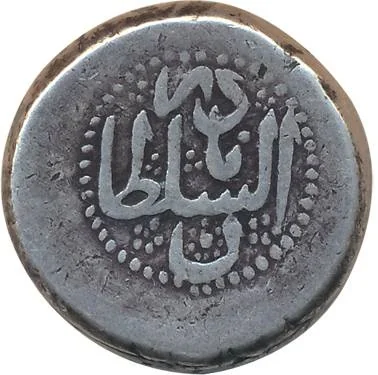
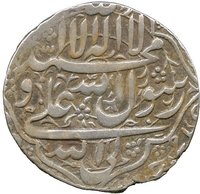
Obverse
Inscription:
السلطان نادر
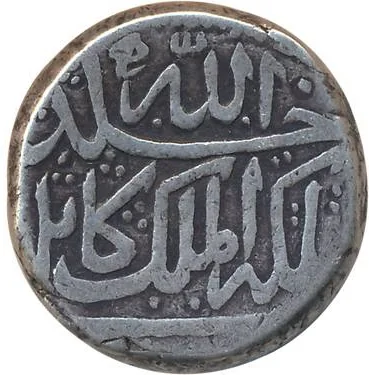
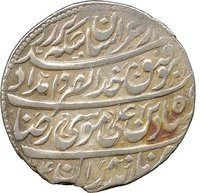
Reverse
Inscription:
خلد الله ملکه
ضرب الملک کابل
ضرب الملک کابل
Edge
Plain
Mints
| Name | Mark |
|---|---|
| Kabul | کابل |
Mintings
| Year | Mint Mark | Mintage | Quality | Collection |
|---|---|---|---|---|
| — | — | — |
Historical background
In 1729, the Eastern Provinces of the empire grappled with a fractured and inflationary monetary system, a direct legacy of decades of war and regional autonomy. The official imperial silver tael, the theoretical standard, was in critically short supply due to the costs of maintaining distant frontiers and past conflicts. This scarcity created a vacuum filled by a bewildering array of substitutes: worn and clipped foreign silver coins from European trade, privately minted "sycee" silver bullion of varying purity, and vast quantities of low-denomination copper "cash" coins. The exchange rates between these metals were not fixed, fluctuating wildly between port cities and inland prefectures, causing immense confusion for tax collection, inter-provincial trade, and daily wages.
The core of the crisis lay in the copper sector. Provincial mints, seeking to fund local administrations, had dramatically increased the output of copper coinage without adequate silver reserves to back it. This led to a severe depreciation of copper against silver; by 1729, it might take over 1,000 copper coins to purchase a single tael of silver, a significant shift from official rates. The situation was exacerbated by widespread counterfeiting, as the intrinsic metal value of official coinage often exceeded its face value, incentivising illicit minting that further eroded public trust. For the peasant majority, who conducted life in copper, this devaluation amounted to a hidden tax, as the real value of their savings and payments eroded.
Recognising the threat to economic stability and imperial sovereignty, the court in 1729 was actively debating a major monetary reform. Conservative factions advocated for a strict return to a silver standard and the closure of provincial mints, while practical administrators pushed for standardising a new, debased copper coinage to restore a stable exchange. The situation remained tense and unresolved, a silent economic war undermining the Kangxi Emperor's legacy and testing the administrative capabilities of his successor, the Yongzheng Emperor, who would ultimately seek to centralise control over the currency as part of his broader campaign to consolidate power.
The core of the crisis lay in the copper sector. Provincial mints, seeking to fund local administrations, had dramatically increased the output of copper coinage without adequate silver reserves to back it. This led to a severe depreciation of copper against silver; by 1729, it might take over 1,000 copper coins to purchase a single tael of silver, a significant shift from official rates. The situation was exacerbated by widespread counterfeiting, as the intrinsic metal value of official coinage often exceeded its face value, incentivising illicit minting that further eroded public trust. For the peasant majority, who conducted life in copper, this devaluation amounted to a hidden tax, as the real value of their savings and payments eroded.
Recognising the threat to economic stability and imperial sovereignty, the court in 1729 was actively debating a major monetary reform. Conservative factions advocated for a strict return to a silver standard and the closure of provincial mints, while practical administrators pushed for standardising a new, debased copper coinage to restore a stable exchange. The situation remained tense and unresolved, a silent economic war undermining the Kangxi Emperor's legacy and testing the administrative capabilities of his successor, the Yongzheng Emperor, who would ultimately seek to centralise control over the currency as part of his broader campaign to consolidate power.
✨ Legendary