

Iran
Context
Year: 1649
Islamic (Hijri) Year: 1059
Issuer: Iran 
Ruler: Abbas II
Currency:
(1501—1798)
Demonetization: 1666
Material
Diameter: 22 mm
Weight: 7.25 g
Silver weight: 7.25 g
Shape: Irregular round
Composition: Silver
Magnetic: No
Technique: Hammered
Alignment: Coin alignment
flip
References
KM: #Click to copy to clipboard169.16
Numista: #61000
Value
Bullion value: $21.07
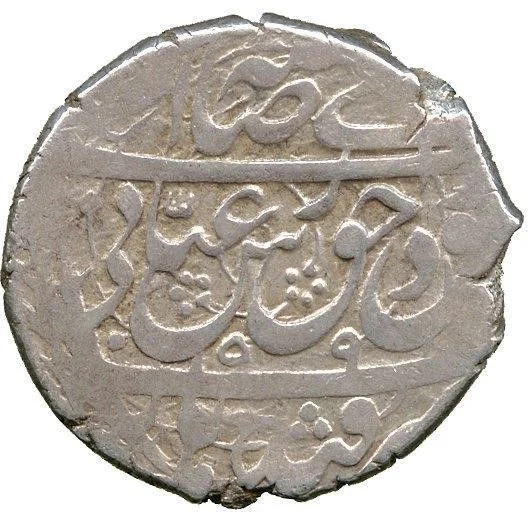
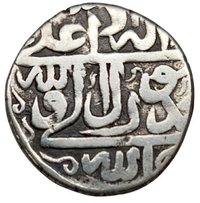
Obverse
Description:
Inscription with date at bottom, separated within text.
Inscription:
بگیتی سکه صاحبقرانی زد از توفیق حق عباس ثانی
قندهار
۱۰٥۹
قندهار
۱۰٥۹
Script: Persian
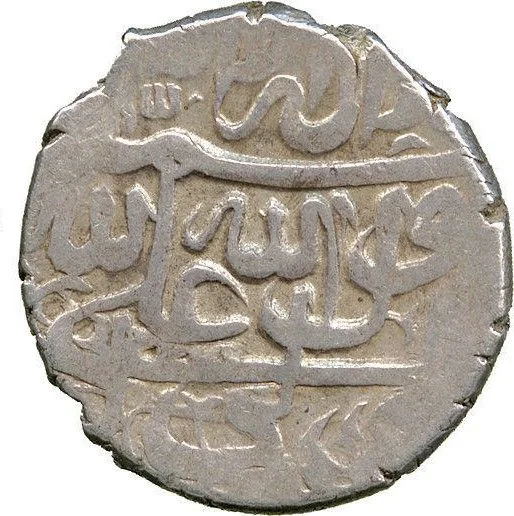
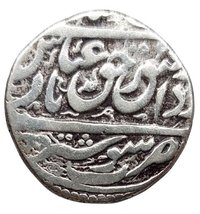
Reverse
Edge
Plain
Mints
| Name | Mark |
|---|---|
| Kandahar | — |
Mintings
| Year | Mint Mark | Mintage | Quality | Collection |
|---|---|---|---|---|
| 1649 | — | — |
Historical background
In 1649, the Safavid Empire under Shah Abbas II was in a period of relative stability and prosperity, yet its monetary system faced significant structural challenges. The primary currency was the silver abbasi, named for Shah Abbas I, alongside the mohammadi and the shahi, with a theoretical value of 1 abbasi = 2 mohammadis = 4 shahis. However, the reality was more complex, as the empire operated on a bimetallic system of silver and copper coins (fulus for small change), while gold was used mainly for high-value transactions and hoarding. The integrity of the currency was heavily dependent on the consistent silver content of the coins minted in royal mints across the realm.
A persistent issue was the chronic shortage of silver, a problem plaguing much of the 17th century. This was exacerbated by a negative balance of trade, particularly with the Mughal Empire and the rising European East India Companies, which drained Iranian silver in exchange for Indian textiles and other goods. To compensate for the silver deficit, the state often increased the production of copper fulus, leading to frequent inflation and a disconnect between the official and market exchange rates between silver and copper. This caused hardship for soldiers and officials paid in devalued copper and created widespread confusion in bazaars.
Furthermore, the monetary system was not fully unified. Alongside royal coins, provincial governors and powerful khans sometimes issued their own copper currency, further complicating commerce. While not in a state of acute crisis in 1649, the currency situation reflected deeper economic vulnerabilities. The state's response was typically reactive, such as occasional attempts at currency reform or mint closures to control the money supply, rather than addressing the core issue of silver outflow, setting the stage for continued monetary instability in the decades to follow.
A persistent issue was the chronic shortage of silver, a problem plaguing much of the 17th century. This was exacerbated by a negative balance of trade, particularly with the Mughal Empire and the rising European East India Companies, which drained Iranian silver in exchange for Indian textiles and other goods. To compensate for the silver deficit, the state often increased the production of copper fulus, leading to frequent inflation and a disconnect between the official and market exchange rates between silver and copper. This caused hardship for soldiers and officials paid in devalued copper and created widespread confusion in bazaars.
Furthermore, the monetary system was not fully unified. Alongside royal coins, provincial governors and powerful khans sometimes issued their own copper currency, further complicating commerce. While not in a state of acute crisis in 1649, the currency situation reflected deeper economic vulnerabilities. The state's response was typically reactive, such as occasional attempts at currency reform or mint closures to control the money supply, rather than addressing the core issue of silver outflow, setting the stage for continued monetary instability in the decades to follow.
✨ Legendary