

Iran
Context
Year: 1646
Islamic (Hijri) Year: 1056
Issuer: Iran 
Ruler: Abbas II
Currency:
(1501—1798)
Demonetization: 1666
Material
References
KM: #Click to copy to clipboard169.11
Numista: #451567
Value
Bullion value: $21.22
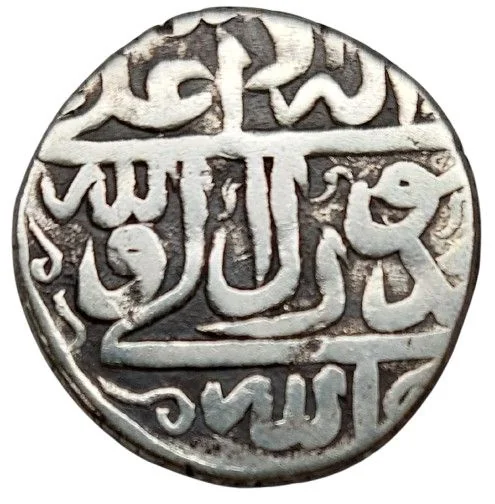
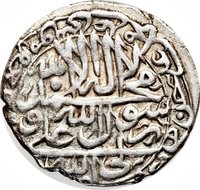
Obverse
Description:
Shiite Kalima, three lines, dotted border.
Inscription:
لا اله الا الله/محمد رسول الله/علی ولی الله
Script: Persian (nastaliq)
Reverse
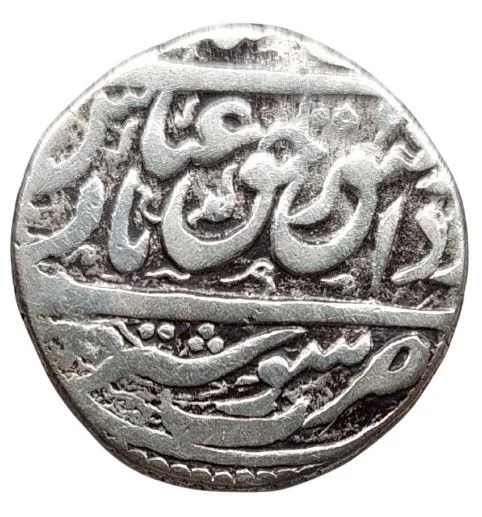
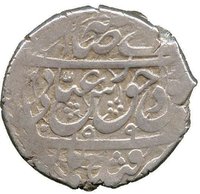
Description:
Ruler, mint, and date inscription.
Inscription:
بگیتی سکه صاحبقرانی زد از توفیق حق عباس ثانی
ضرب شوشتر
۱۰٥۶
ضرب شوشتر
۱۰٥۶
Script: Persian (nastaliq)
Edge
Mints
| Name | Mark |
|---|---|
| Shustar | شوشتر |
Mintings
| Year | Mint Mark | Mintage | Quality | Collection |
|---|---|---|---|---|
| 1646 | — | — |
Historical background
In 1646, Iran was under the rule of the Safavid dynasty, specifically Shah Abbas II, and its currency system reflected both the empire's centralized power and its deep integration into global trade networks. The primary unit of currency was the silver abbasi (named after Shah Abbas I), alongside the mohammadi and the gold toman (a unit of account worth 10,000 dinars or 50 abbasis). The system was bimetallic, relying on the steady supply of silver and gold, but was notoriously complex due to the simultaneous circulation of various domestic and foreign coins, including Ottoman, Mughal, and European issues, particularly Spanish pieces of eight, which were highly valued for long-distance commerce.
This complexity created significant challenges. The value and purity of coins could vary by region and mint, leading to constant difficulties in exchange and taxation. Furthermore, the Safavid state, while economically active, often faced fiscal pressures from maintaining a large bureaucracy and military, as well as funding lavish court projects. These pressures could lead to occasional debasement of the coinage—reducing the precious metal content—to generate short-term revenue, which undermined confidence in the currency and disrupted both domestic markets and international trade agreements.
Despite these issues, the currency system functioned adequately in 1646, supported by Iran's strategic position on the Silk Road and its thriving export of silk, the crown monopoly that generated substantial silver and gold inflows. The state maintained royal mints in major cities like Isfahan, Tabriz, and Mashhad, asserting control over the monetary system. Thus, while the currency landscape was fragmented and occasionally unstable, it served an empire that was, at that moment, relatively stable and prosperous within the context of 17th-century global economic flows.
This complexity created significant challenges. The value and purity of coins could vary by region and mint, leading to constant difficulties in exchange and taxation. Furthermore, the Safavid state, while economically active, often faced fiscal pressures from maintaining a large bureaucracy and military, as well as funding lavish court projects. These pressures could lead to occasional debasement of the coinage—reducing the precious metal content—to generate short-term revenue, which undermined confidence in the currency and disrupted both domestic markets and international trade agreements.
Despite these issues, the currency system functioned adequately in 1646, supported by Iran's strategic position on the Silk Road and its thriving export of silk, the crown monopoly that generated substantial silver and gold inflows. The state maintained royal mints in major cities like Isfahan, Tabriz, and Mashhad, asserting control over the monetary system. Thus, while the currency landscape was fragmented and occasionally unstable, it served an empire that was, at that moment, relatively stable and prosperous within the context of 17th-century global economic flows.
✨ Legendary