

4 Reales – New Spain
Mexico
Context
Years: 1678–1698
Country: Mexico 
Issuer: New Spain
Ruler: Charles II
Currency:
(1535—1897)
Demonetized: Yes
References
KM: #Click to copy to clipboard39
Numista: #57646
Value
Bullion value: $36.63
Obverse
Description:
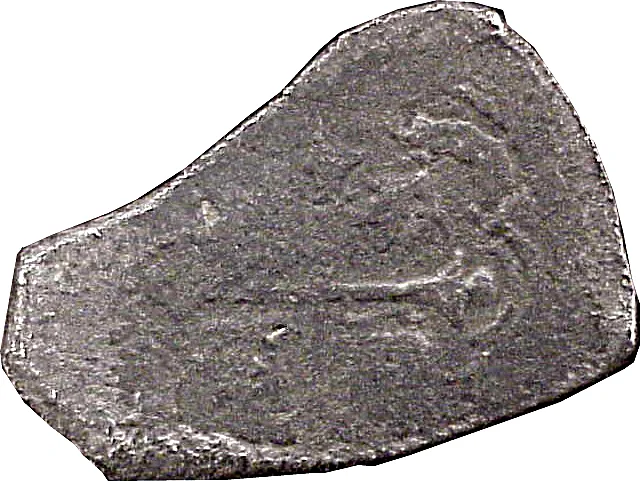
Legend and date flank crowned arms.
Inscription:
CAROLVS II DEI G
Reverse
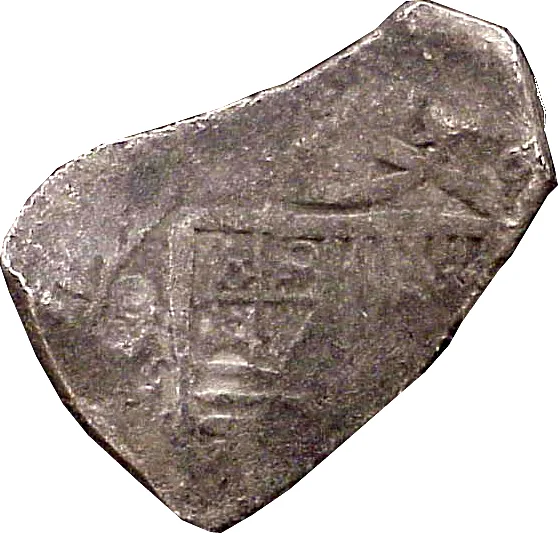
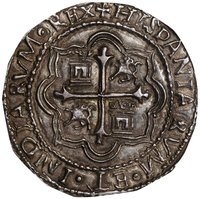
Description:
Cross, lions, castles.
Edge
Mintings
| Year | Mint Mark | Mintage | Quality | Collection |
|---|---|---|---|---|
| 1678 | L | — | ||
| 1679 | L | — | ||
| 1682 | L | — | ||
| 1683 | L | — | ||
| 1685 | L | — | ||
| 1689 | L | — | ||
| 1690 | L | — | ||
| 1691 | L | — | ||
| 1692 | L | — | ||
| 1694 | L | — | ||
| 1695 | L | — | ||
| 1697 | L | — | ||
| 1698 | L | — |
Historical background
In 1678, the Viceroyalty of New Spain was grappling with a severe and chronic currency shortage that stifled daily commerce and the broader economy. The primary circulating coin was the silver real, minted at the famed Mexico City Mint, but the supply was insufficient for the colony's needs. This scarcity was structural: while New Spain was the world's largest silver producer, a significant portion of bullion was immediately shipped to Spain as royal revenue or to Asia via the Manila Galleon, leaving the local economy starved of coin. Furthermore, the government's policy of recalling and remelting older, worn coins (moneda vieja) to mint new ones created disruptive periods where little currency was in circulation.
The shortage led to widespread use of improvised and inferior substitutes, most notably tlacos—token coins, often made of copper or base metals, issued by local merchants, hacienda owners, and even churches. These tokens were only redeemable at their place of issue, creating fragmented and unreliable local currencies. Additionally, cacao beans continued to be used for small transactions, especially in indigenous markets. The proliferation of tlacos caused confusion, fraud, and inflation, as their value was unregulated and easily debased. This undermined the Crown's monetary authority and created a two-tiered system: scarce, trusted silver for large transactions and external trade, and a patchwork of dubious tokens for everyday life.
Royal authorities viewed this situation with concern, as it hampered tax collection, encouraged contraband, and demonstrated a loss of control. The Crown had repeatedly, but ineffectively, banned tlacos, as their existence was a necessary evil to facilitate a market that official minting could not supply. The year 1678 thus fell within a long period of monetary tension, where the wealthiest silver-producing empire on earth struggled internally with a lack of official coin, a problem that would persist and eventually lead to significant currency reforms in the following century under the Bourbon monarchs.
The shortage led to widespread use of improvised and inferior substitutes, most notably tlacos—token coins, often made of copper or base metals, issued by local merchants, hacienda owners, and even churches. These tokens were only redeemable at their place of issue, creating fragmented and unreliable local currencies. Additionally, cacao beans continued to be used for small transactions, especially in indigenous markets. The proliferation of tlacos caused confusion, fraud, and inflation, as their value was unregulated and easily debased. This undermined the Crown's monetary authority and created a two-tiered system: scarce, trusted silver for large transactions and external trade, and a patchwork of dubious tokens for everyday life.
Royal authorities viewed this situation with concern, as it hampered tax collection, encouraged contraband, and demonstrated a loss of control. The Crown had repeatedly, but ineffectively, banned tlacos, as their existence was a necessary evil to facilitate a market that official minting could not supply. The year 1678 thus fell within a long period of monetary tension, where the wealthiest silver-producing empire on earth struggled internally with a lack of official coin, a problem that would persist and eventually lead to significant currency reforms in the following century under the Bourbon monarchs.
✨ Legendary