

8 Reales – New Spain
Mexico
Context
Years: 1674–1700
Country: Mexico 
Issuer: New Spain
Ruler: Charles II
Currency:
(1535—1897)
Demonetized: Yes
References
KM: #Click to copy to clipboardR46
Numista: #317105
Value
Bullion value: $74.58
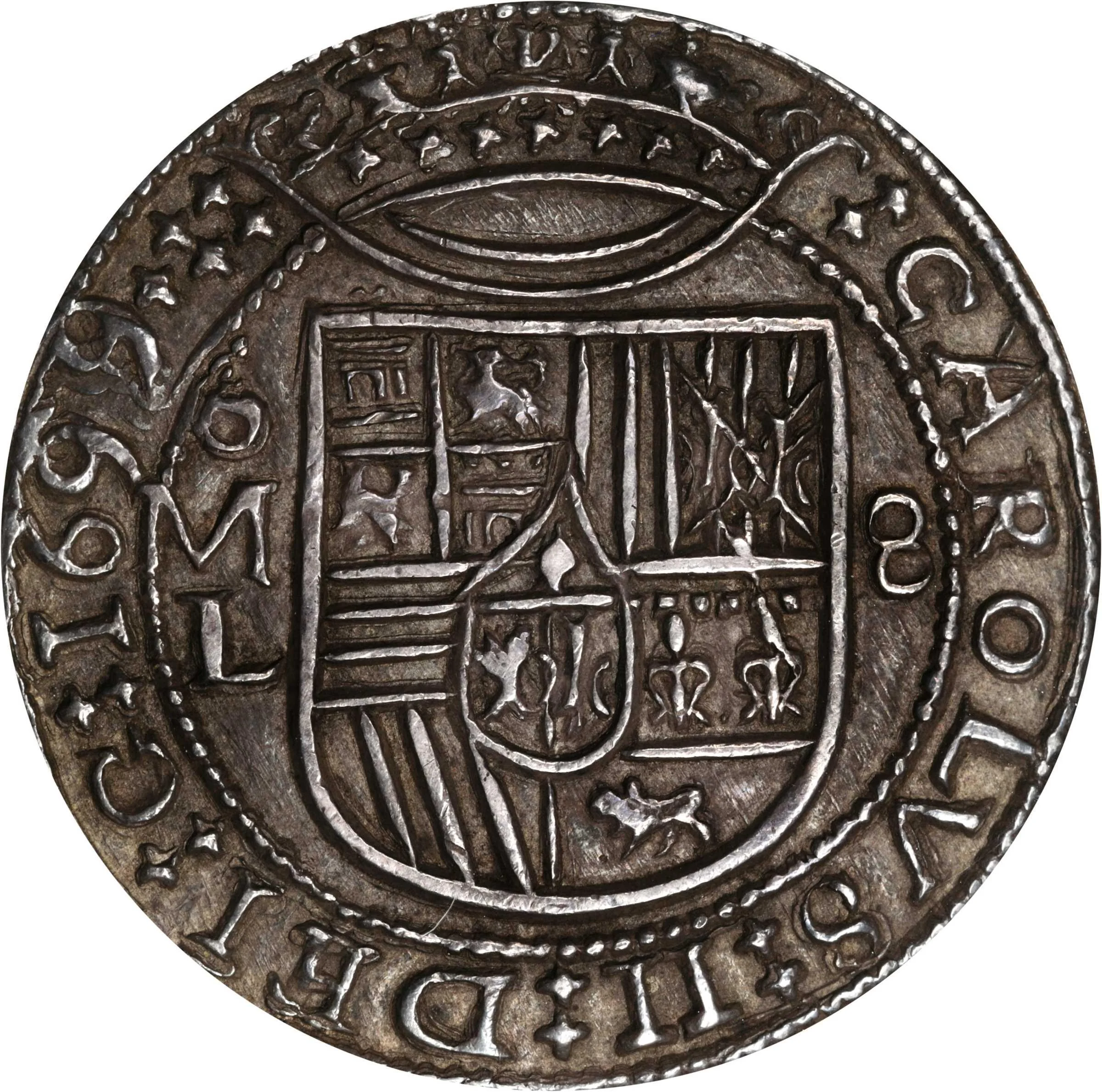
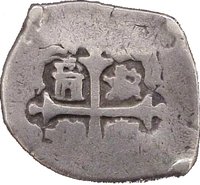
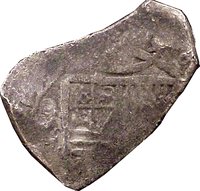
Obverse
Inscription:
CAROLVS II DEI C 1699
o
M
L
8
o
M
L
8
Script: Latin
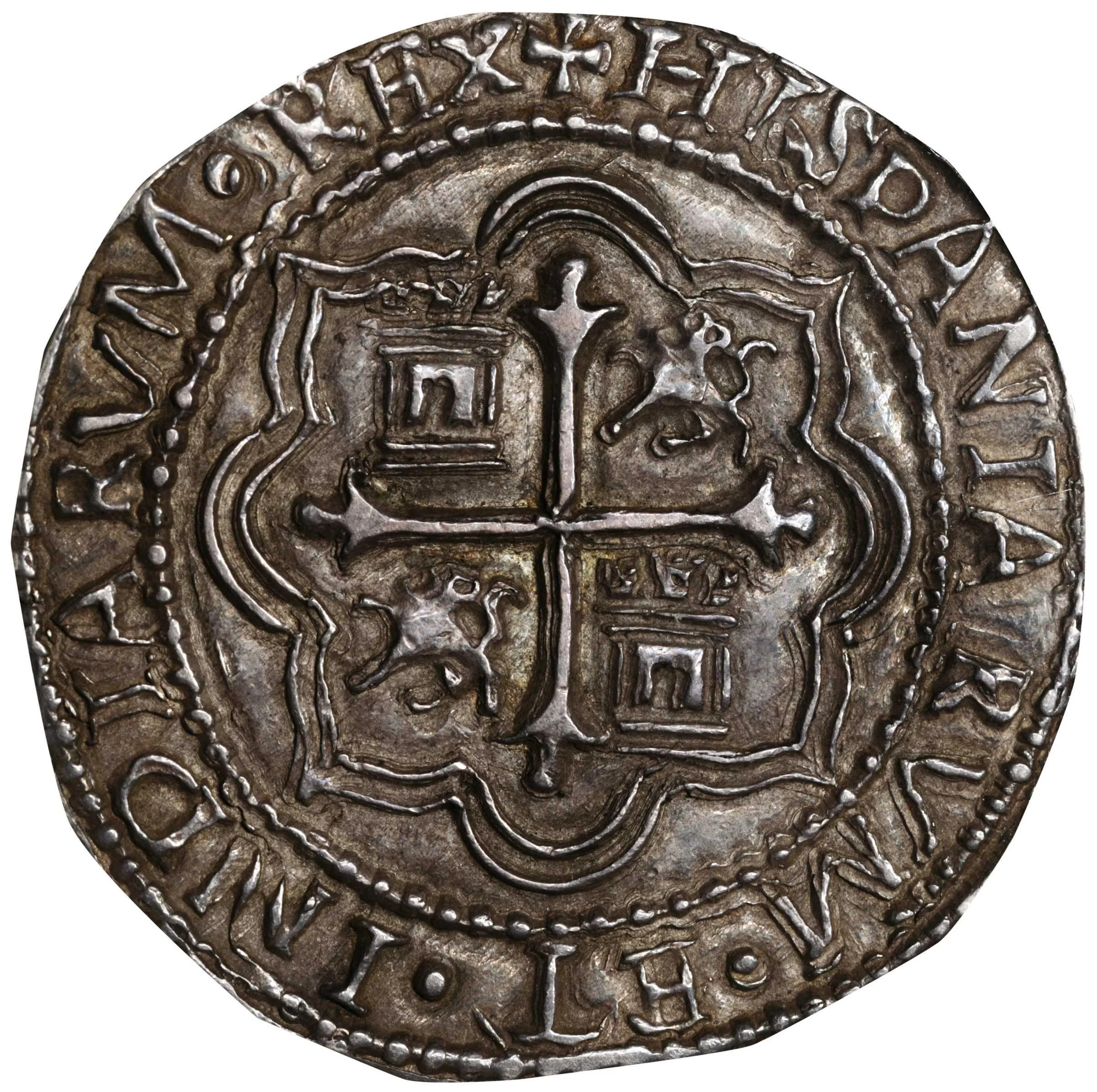
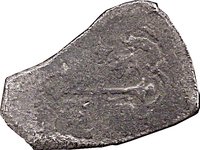
Reverse
Inscription:
HISPANIARVM ET INDIARVM REX
Script: Latin
Edge
Mintings
| Year | Mint Mark | Mintage | Quality | Collection |
|---|---|---|---|---|
| 1674 | G | — | ||
| 1678 | L | — | ||
| 1681 | L | — | ||
| 1682 | L | — | ||
| 1685 | L | — | ||
| 1689 | L | — | ||
| 1690 | L | — | ||
| 1691 | L | — | ||
| 1698 | L | — | ||
| 1699 | L | — | ||
| 1700 | L | — |
Historical background
In 1674, the currency situation in New Spain was characterized by a chronic shortage of official coinage and the widespread circulation of a problematic substitute: tlacos or moneda de necesidad. The primary legal tender was silver reales and pesos, minted at the Mexico City Mint, which was one of the most prolific in the world. However, these coins were constantly drained from the local economy to pay for imports from Spain and Asia, and to satisfy the Crown's tax revenues, leaving the vast domestic market with insufficient specie for daily transactions. This scarcity was particularly acute for small-scale commerce among the populace.
To fill this void, a complex and unofficial system of tlacos emerged. These were small, token-like coins, often made of copper or lead, issued by merchants, hacienda owners, and even convents. They functioned as credit tokens, redeemable only at the specific business or estate that issued them, effectively creating closed monetary circuits. While essential for local trade, the system was rife with abuse, as issuers could devalue or refuse redemption, exploiting the captive clientele. The Spanish Crown had repeatedly tried to suppress tlacos, viewing them as a challenge to royal monetary authority, but their prohibitions (the latest a 1666 decree) were largely ignored out of sheer economic necessity.
The year 1674 fell within a period of administrative focus on these monetary disorders. The viceregal government, under the rule of the Audiencia following the death of Viceroy Pedro Nuño Colón de Portugal, was grappling with the enforcement of royal mandates. The situation was a microcosm of the broader colonial tension: a wealthy silver-producing colony was paradoxically starved of its own currency due to mercantilist policies. The result was a dual economy—one of large-scale silver exports and international finance, and another of localized, credit-based barter systems—that defined daily economic life for most residents of New Spain.
To fill this void, a complex and unofficial system of tlacos emerged. These were small, token-like coins, often made of copper or lead, issued by merchants, hacienda owners, and even convents. They functioned as credit tokens, redeemable only at the specific business or estate that issued them, effectively creating closed monetary circuits. While essential for local trade, the system was rife with abuse, as issuers could devalue or refuse redemption, exploiting the captive clientele. The Spanish Crown had repeatedly tried to suppress tlacos, viewing them as a challenge to royal monetary authority, but their prohibitions (the latest a 1666 decree) were largely ignored out of sheer economic necessity.
The year 1674 fell within a period of administrative focus on these monetary disorders. The viceregal government, under the rule of the Audiencia following the death of Viceroy Pedro Nuño Colón de Portugal, was grappling with the enforcement of royal mandates. The situation was a microcosm of the broader colonial tension: a wealthy silver-producing colony was paradoxically starved of its own currency due to mercantilist policies. The result was a dual economy—one of large-scale silver exports and international finance, and another of localized, credit-based barter systems—that defined daily economic life for most residents of New Spain.
✨ Legendary