

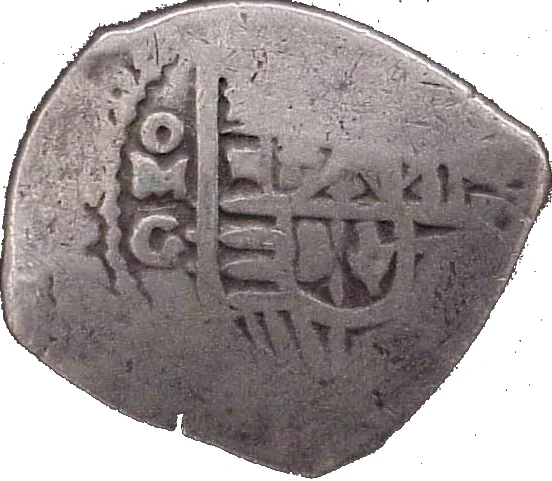
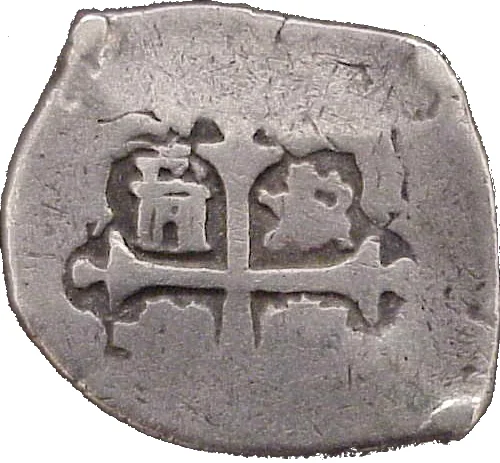
2 Reales – New Spain
Mexico
Context
Years: 1668–1699
Country: Mexico 
Issuer: New Spain
Ruler: Charles II
Currency:
(1535—1897)
Demonetized: Yes
Material
References
KM: #Click to copy to clipboard34
Numista: #57645
Value
Bullion value: $18.31
Obverse
Description:
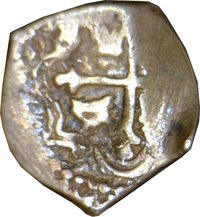
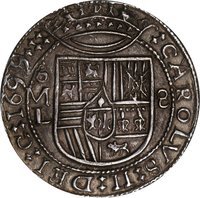
Legend and date flank crowned arms.
Inscription:
CAROLVS II DEI G
Reverse
Description:
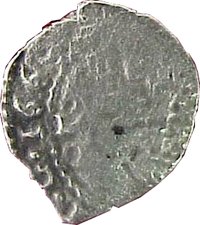
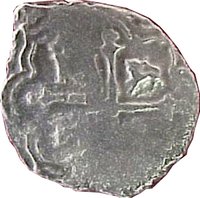
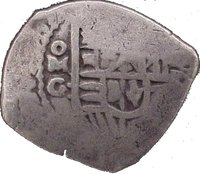
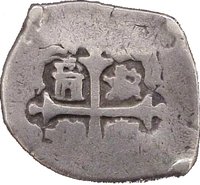
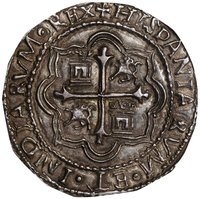
Cross, lions, castles.
Edge
Mintings
| Year | Mint Mark | Mintage | Quality | Collection |
|---|---|---|---|---|
| 1668 | G | — | ||
| 1669 | G | — | ||
| 1690 | L | — | ||
| 1695 | L | — | ||
| 1699 | L | — |
Historical background
In 1668, the currency situation in New Spain was defined by a severe and chronic shortage of official coinage, a problem stemming from the colony's fundamental economic relationship with Spain. The Crown's mercantilist policies mandated that the vast majority of silver mined in Mexican centers like Zacatecas and Potosí be shipped to Spain as bullion or crude coins (reales de a ocho in rough "cob" form). This systematic drainage of raw monetary metal left the local economy perpetually starved for a reliable medium of exchange for everyday transactions. Consequently, the viceroyalty operated with a dual monetary system: a limited supply of official silver and gold coins for large-scale trade and government functions, and a proliferating variety of unofficial substitutes for the populace.
To facilitate daily commerce, a widespread system of credit, barter, and token currencies filled the void. Shopkeepers, merchants, and religious institutions issued handwritten billetes or tokens made of copper, leather, or even cacao beans (which had a deep pre-Hispanic history as a unit of value). The most common and problematic substitute was tlacos – small, crudely stamped copper tokens issued by individual merchants or guilds, redeemable only in their own establishments. This practice, while pragmatic, led to frequent fraud, counterfeiting, and confusion, as the value and acceptance of these tokens were highly localized and unstable.
The year 1668 falls within a period of ongoing but frustrated attempts by the Spanish Crown to regain control. Authorities viewed the proliferation of tlacos and other substitutes as a threat to royal authority and economic order, periodically issuing decrees to ban them. However, these edicts were largely ineffective because they failed to address the root cause: the lack of sufficient small-denomination official coinage. Therefore, the monetary landscape remained one of official policy contradiction and practical necessity, where the Crown's extractive economic model directly undermined its desire for a orderly colonial currency system, forcing the local economy to invent its own solutions.
To facilitate daily commerce, a widespread system of credit, barter, and token currencies filled the void. Shopkeepers, merchants, and religious institutions issued handwritten billetes or tokens made of copper, leather, or even cacao beans (which had a deep pre-Hispanic history as a unit of value). The most common and problematic substitute was tlacos – small, crudely stamped copper tokens issued by individual merchants or guilds, redeemable only in their own establishments. This practice, while pragmatic, led to frequent fraud, counterfeiting, and confusion, as the value and acceptance of these tokens were highly localized and unstable.
The year 1668 falls within a period of ongoing but frustrated attempts by the Spanish Crown to regain control. Authorities viewed the proliferation of tlacos and other substitutes as a threat to royal authority and economic order, periodically issuing decrees to ban them. However, these edicts were largely ineffective because they failed to address the root cause: the lack of sufficient small-denomination official coinage. Therefore, the monetary landscape remained one of official policy contradiction and practical necessity, where the Crown's extractive economic model directly undermined its desire for a orderly colonial currency system, forcing the local economy to invent its own solutions.
✨ Legendary