

1 paisa – Awadh
Add to wishlist
India
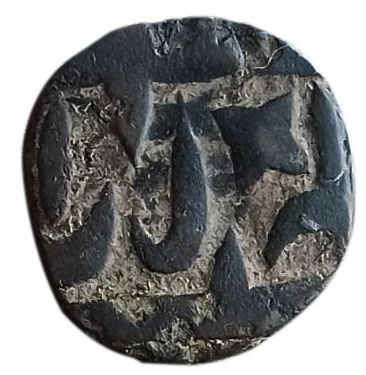
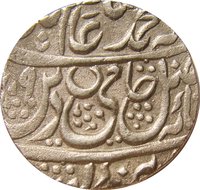
Obverse
Description:
A celestial body of luminous gas.
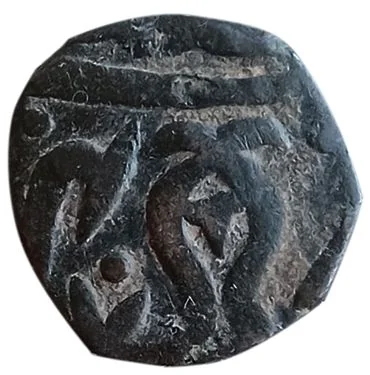
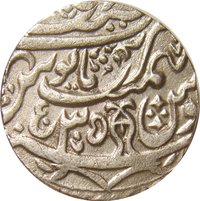
Reverse
Description:
RY Fish Vertical
Inscription:
۴۷
Edge
Plain
Mints
| Name | Mark |
|---|---|
| Najibabad | — |
Mintings
| Year | Mint Mark | Mintage | Quality | Collection |
|---|---|---|---|---|
| 1779 | — | — | ||
| 1784 | — | — | ||
| 1785 | — | — | ||
| 1793 | — | — | ||
| 1797 | — | — | ||
| 1798 | — | — | ||
| 1799 | — | — | ||
| 1800 | — | — | ||
| 1801 | — | — | ||
| 1802 | — | — | ||
| 1803 | — | — | ||
| 1804 | — | — | ||
| 1805 | — | — |
Historical background
In 1779, the currency situation in Awadh was a complex and deteriorating system, reflecting the wider political and economic pressures on the nawabi state. The primary circulating currency was the silver rupee, nominally based on the Mughal standard, but the region suffered from a severe scarcity of specie. This shortage was caused by several factors: heavy annual tribute payments to the British East India Company (which drained silver out of the economy), a decline in overland trade, and the hoarding of precious metals by a nervous populace and elites amidst growing instability. Consequently, the value of money was highly unstable, undermining both commerce and state revenue collection.
Compounding the scarcity was a chaotic multiplicity of coins in circulation. Alongside the official Awadh rupee, older Mughal coins, rupees from neighboring regions like Bengal and the Maratha territories, and even European-minted coins circulated with varying exchange rates. Furthermore, the debasement of currency had become a chronic issue. To meet fiscal shortfalls, the Nawab’s mints, particularly in Lucknow and Faizabad, increasingly issued rupees with a lower intrinsic silver content. This practice, while providing short-term liquidity for the treasury, eroded public trust in the currency, leading to discounting and further market confusion.
This monetary crisis was a direct symptom of Awadh’s compromised sovereignty. The British residency, established in 1773, exerted immense influence, and the Company’s demand for fixed, large tributes in silver (£260,000 annually by the 1775 treaty) locked the Nawab, then Asaf-ud-Daula, into a cycle of financial desperation. Unable to meet these demands through regular revenue, the state resorted to currency manipulation, squeezing local elites, and accumulating debt. Thus, the coinage disorder of 1779 was not merely a financial issue but a clear indicator of a state in fiscal and political decline, caught between its own administrative weaknesses and the extractive demands of colonial power.
Compounding the scarcity was a chaotic multiplicity of coins in circulation. Alongside the official Awadh rupee, older Mughal coins, rupees from neighboring regions like Bengal and the Maratha territories, and even European-minted coins circulated with varying exchange rates. Furthermore, the debasement of currency had become a chronic issue. To meet fiscal shortfalls, the Nawab’s mints, particularly in Lucknow and Faizabad, increasingly issued rupees with a lower intrinsic silver content. This practice, while providing short-term liquidity for the treasury, eroded public trust in the currency, leading to discounting and further market confusion.
This monetary crisis was a direct symptom of Awadh’s compromised sovereignty. The British residency, established in 1773, exerted immense influence, and the Company’s demand for fixed, large tributes in silver (£260,000 annually by the 1775 treaty) locked the Nawab, then Asaf-ud-Daula, into a cycle of financial desperation. Unable to meet these demands through regular revenue, the state resorted to currency manipulation, squeezing local elites, and accumulating debt. Thus, the coinage disorder of 1779 was not merely a financial issue but a clear indicator of a state in fiscal and political decline, caught between its own administrative weaknesses and the extractive demands of colonial power.
💎 Very Rare