

24 skilling – Norway
Add to wishlist
Norway
Context
Years: 1746–1763
Issuer: Norway
Ruler: Frederick V
Currency:
(1746—1814)
Demonetized: Yes
Total mintage: 14,754,000
Material
References
KM: #
Numista: #55890
Value
Bullion value: $12.86
Obverse
Description:
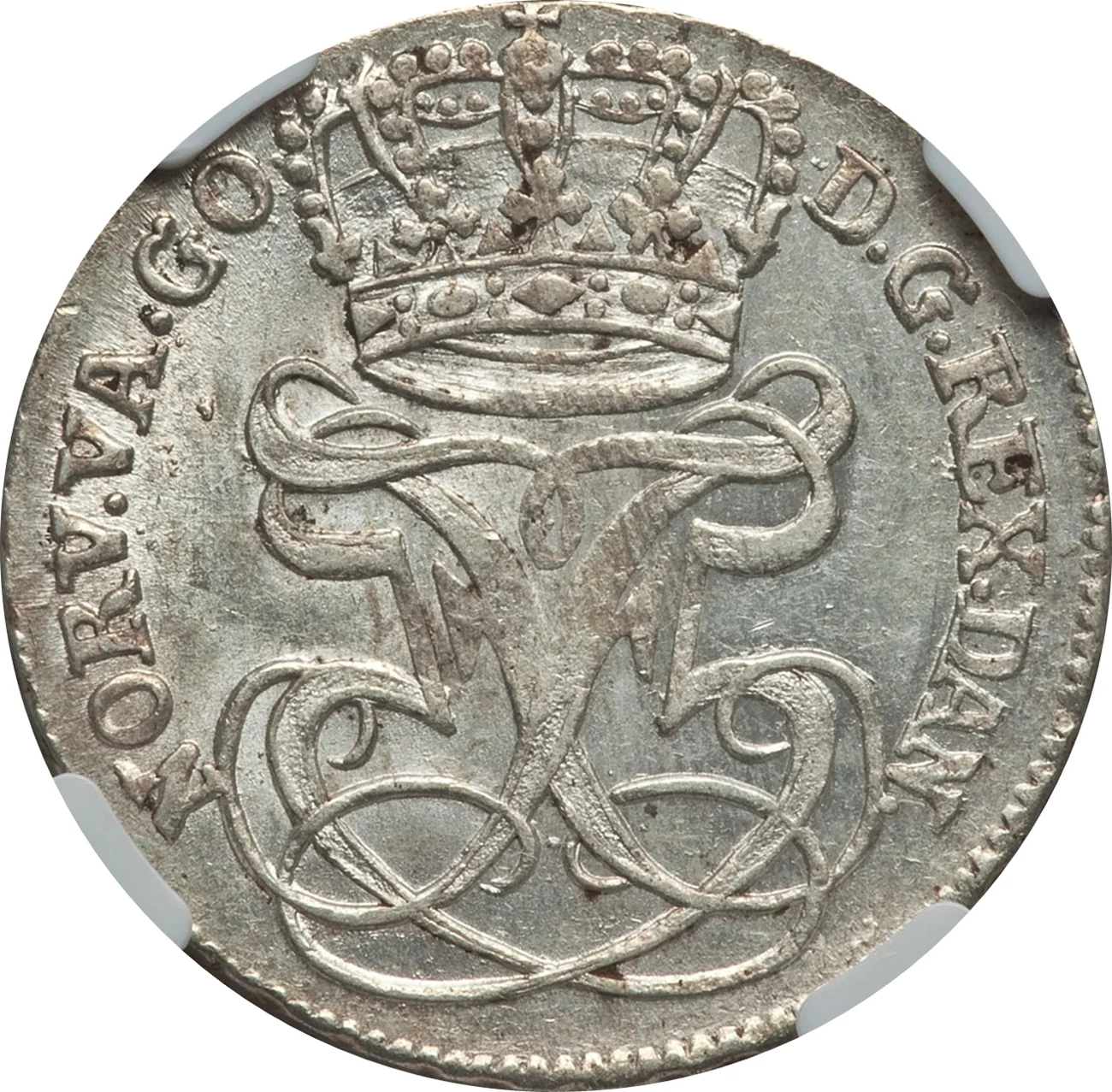
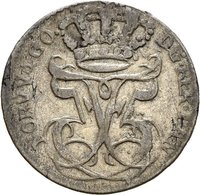
Crowned mirrored monogram of Frederik V. Inscription encircling, divided by shield. Beaded edge.
Inscription:
·D.G.REX.DAN. | NORV.VA.GO·
Script: Latin
Reverse
Description:
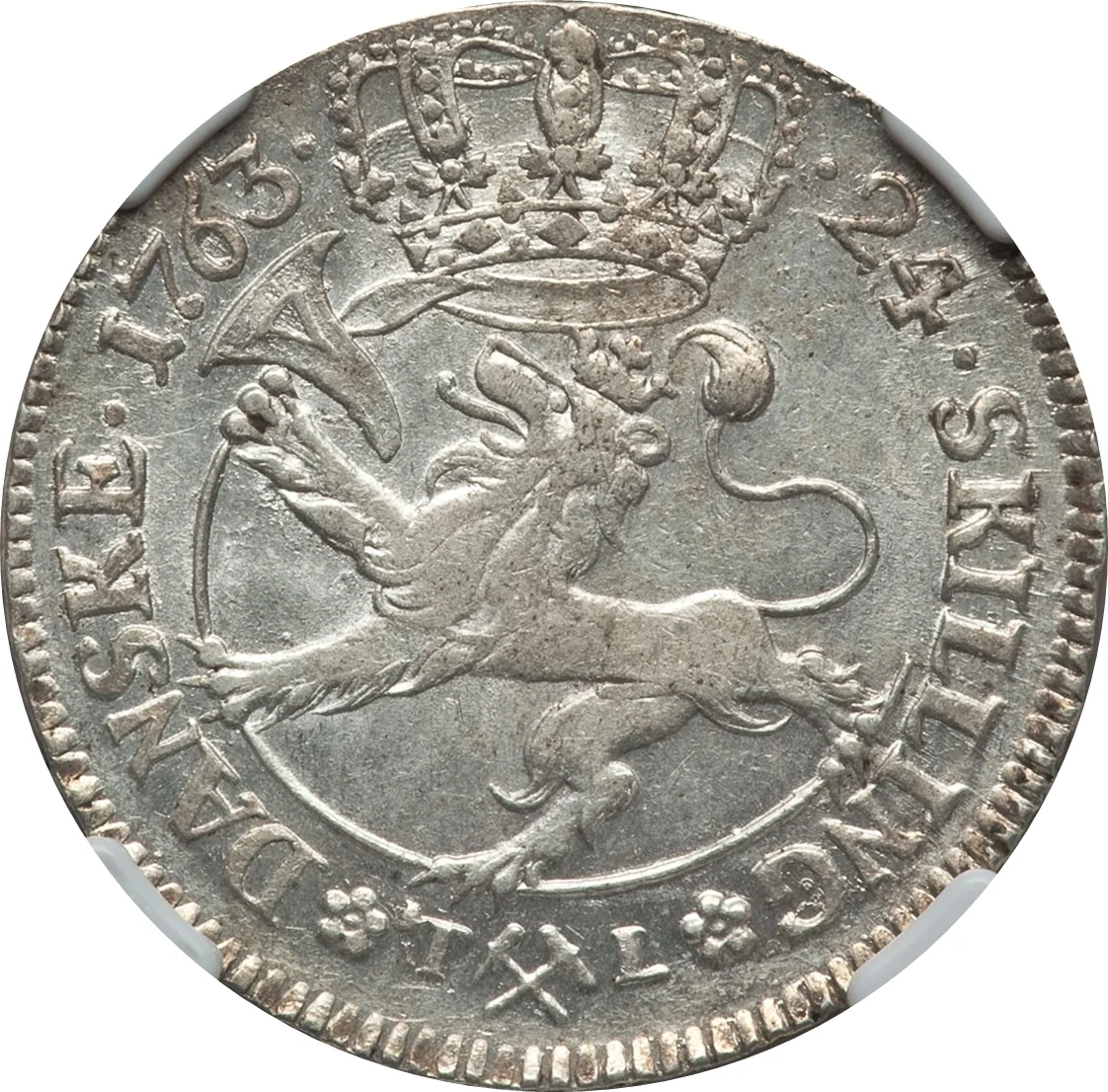
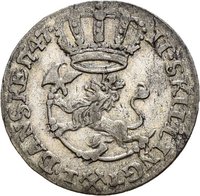
Norwegian lion with axe facing left, crowned twice. Inscription surrounds, mintmark and initials below. Beaded edge.
Inscription:
·24·SKILLING | DANSKE·1763·
✿ T ⚒ L ✿
✿ T ⚒ L ✿
Script: Latin
Edge
Mints
| Name | Mark |
|---|---|
| Norwegian Mint | — |
Mintings
| Year | Mint Mark | Mintage | Quality | Collection |
|---|---|---|---|---|
| 1746 | — | — | ||
| 1747 | — | 1,342,000 | ||
| 1748 | — | 1,084,000 | ||
| 1749 | — | 863,000 | ||
| 1750 | — | 990,000 | ||
| 1751 | — | 1,065,000 | ||
| 1752 | — | 1,079,000 | ||
| 1753 | — | 1,093,000 | ||
| 1754 | — | 1,083,000 | ||
| 1755 | — | 1,034,000 | ||
| 1756 | — | 1,125,000 | ||
| 1757 | — | 289,000 | ||
| 1758 | — | 1,220,000 | ||
| 1759 | — | 1,250,000 | ||
| 1760 | — | — | ||
| 1761 | — | 1,237,000 | ||
| 1762 | — | — | ||
| 1763 | — | — |
Historical background
In 1746, Norway was part of the dual monarchy of Denmark-Norway, and its currency system was complex and often problematic. The primary currency was the Danish rigsdaler, divided into 96 skilling. However, the system was not uniform. A chronic shortage of official small-denomination coinage, particularly in remote rural areas of Norway, led to widespread use of unofficial and emergency money. This included klippe coins (cut or square coins) and local tokens issued by merchants, mines, and even churches to facilitate everyday trade, creating a fragmented monetary landscape.
The period was also marked by significant currency debasement. The state, frequently strained by war finances (notably the Great Northern War which ended in 1721) and economic troubles, had repeatedly reduced the silver content of the coinage to generate seigniorage revenue. This led to a loss of public confidence in the currency, driving older, full-value coins out of circulation (Gresham's Law) and contributing to inflation. The disparity between the face value and intrinsic metal value of coins fostered instability and complicated both domestic commerce and international trade.
Recognizing these issues, the Danish crown had begun a series of monetary reforms. The most significant recent change was the introduction of the rigsdaler courant in 1741, a stable accounting unit intended to simplify transactions. By 1746, this reform was still in its implementation phase, aiming to standardize the currency and restore trust. Thus, the monetary situation was one of transition, caught between the legacy of a debased and chaotic system and the slow, centralizing efforts of the state to impose order and stability on the kingdom's finances.
The period was also marked by significant currency debasement. The state, frequently strained by war finances (notably the Great Northern War which ended in 1721) and economic troubles, had repeatedly reduced the silver content of the coinage to generate seigniorage revenue. This led to a loss of public confidence in the currency, driving older, full-value coins out of circulation (Gresham's Law) and contributing to inflation. The disparity between the face value and intrinsic metal value of coins fostered instability and complicated both domestic commerce and international trade.
Recognizing these issues, the Danish crown had begun a series of monetary reforms. The most significant recent change was the introduction of the rigsdaler courant in 1741, a stable accounting unit intended to simplify transactions. By 1746, this reform was still in its implementation phase, aiming to standardize the currency and restore trust. Thus, the monetary situation was one of transition, caught between the legacy of a debased and chaotic system and the slow, centralizing efforts of the state to impose order and stability on the kingdom's finances.
💎 Very Rare