

2 skilling – Norway
Add to wishlist
Norway
Context
Years: 1747–1756
Issuer: Norway
Ruler: Frederick V
Currency:
(1746—1814)
Demonetized: Yes
Total mintage: 6,700
References
KM: #
Numista: #99113
Obverse
Description:
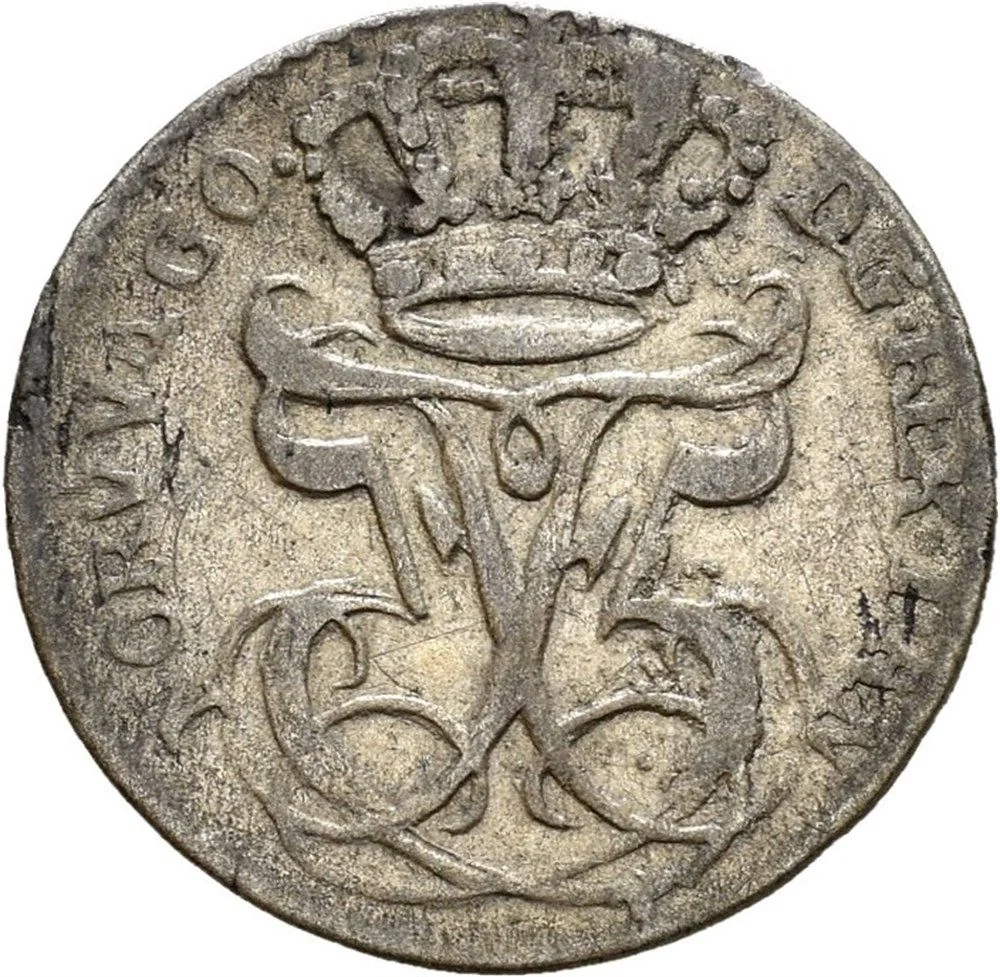
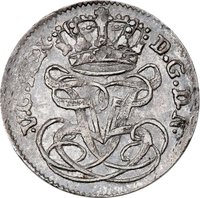
Crowned mirrored monogram of Frederik V. Inscription encircling, divided by shield. Beaded edge.
Inscription:
·DG·REX·DAN | NORV·VA·GO·
Script: Latin
Reverse
Description:
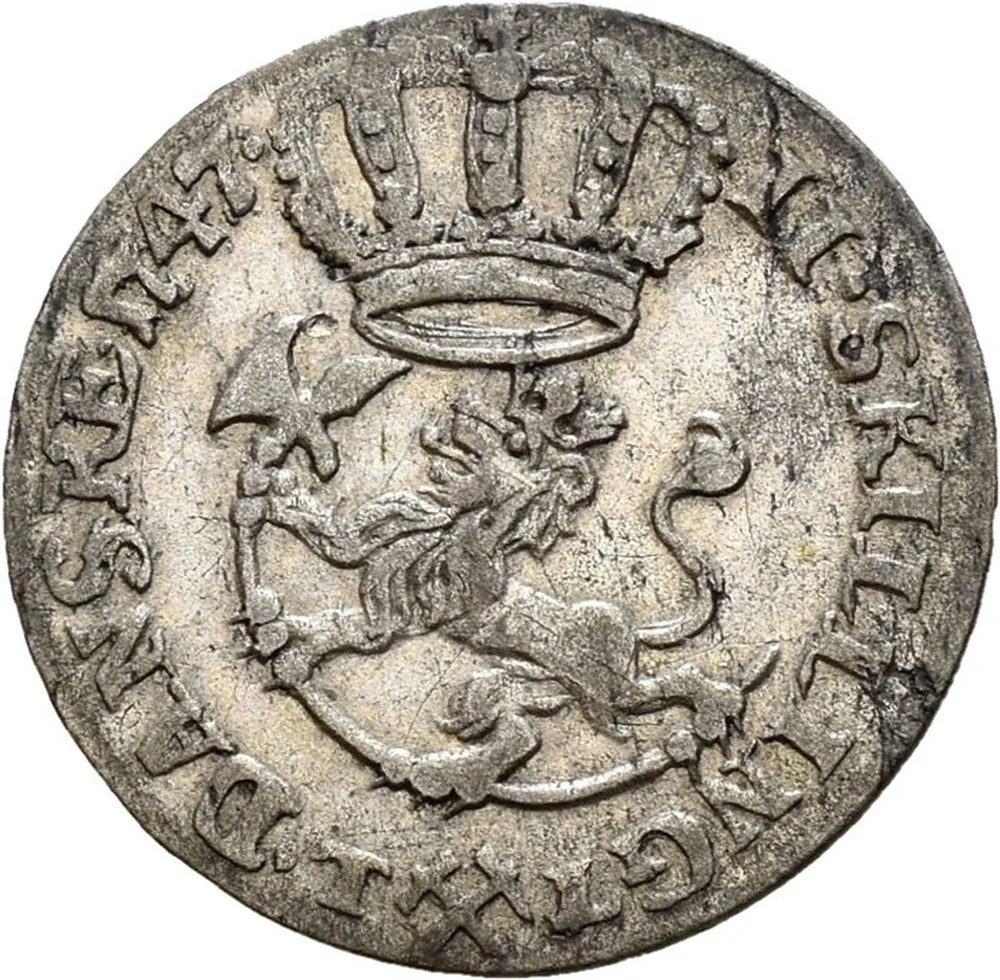
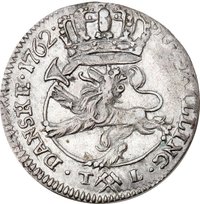
Norwegian lion with axe facing left, crowned twice. Inscription surrounds, mintmark and initials below. Beaded edge.
Inscription:
·II·SKILLING | ·DANSKE·1747·
T ⚒ L
T ⚒ L
Script: Latin
Edge
Mints
| Name | Mark |
|---|---|
| Norwegian Mint | — |
Mintings
| Year | Mint Mark | Mintage | Quality | Collection |
|---|---|---|---|---|
| 1747 | — | 6,700 | ||
| 1756 | — | — |
Historical background
In 1747, Norway, then in a union with Denmark under the absolute monarchy of King Christian VI, operated within a complex and strained monetary system. The official currency was the Danish rigsdaler, divided into 96 skilling, but the reality was one of chronic shortage and confusion. A significant portion of the money in circulation was not government-minted coin but rather klippemynter (cut coins) and a vast array of older, worn, and foreign coins, all with fluctuating and often disputed values. This scarcity of reliable specie severely hampered trade and daily transactions, pushing many rural communities toward barter.
The root of the problem lay in decades of state fiscal policy. To finance wars and deficits, the Danish-Norwegian crown had repeatedly debased the currency, reducing the silver content in coins while officially maintaining their face value. This led to Gresham's Law in practice: "bad money drives out good," as people hoarded the older, purer coins. Furthermore, the state often paid its obligations, especially to foreign creditors, in heavy kurantdaler (accounting dalers), which were worth more than the circulating speciesdaler, creating a two-tier system that further complicated commerce and bred public distrust.
Consequently, the year 1747 fell within a period of mounting economic frustration and calls for reform. While a major monetary reform was still a few years away (the transformative decree of 1813 and later the establishment of the Norwegian speciedaler in 1816), the conditions of 1747 highlighted a system in crisis. The inadequate coinage stifled economic growth, burdened the peasantry, and underscored the need for a stable, unified currency that could facilitate a more modern economy, a need that would become a central theme in Norway's later push for greater financial independence.
The root of the problem lay in decades of state fiscal policy. To finance wars and deficits, the Danish-Norwegian crown had repeatedly debased the currency, reducing the silver content in coins while officially maintaining their face value. This led to Gresham's Law in practice: "bad money drives out good," as people hoarded the older, purer coins. Furthermore, the state often paid its obligations, especially to foreign creditors, in heavy kurantdaler (accounting dalers), which were worth more than the circulating speciesdaler, creating a two-tier system that further complicated commerce and bred public distrust.
Consequently, the year 1747 fell within a period of mounting economic frustration and calls for reform. While a major monetary reform was still a few years away (the transformative decree of 1813 and later the establishment of the Norwegian speciedaler in 1816), the conditions of 1747 highlighted a system in crisis. The inadequate coinage stifled economic growth, burdened the peasantry, and underscored the need for a stable, unified currency that could facilitate a more modern economy, a need that would become a central theme in Norway's later push for greater financial independence.
✨ Legendary