

1 Crown – England
United Kingdom
Context
Year: 1666
Country: United Kingdom 
Issuer: England 
Ruler: Charles II
Currency:
(1158—1970)
Demonetized: Yes
Material
References
KM: #Click to copy to clipboard422.2
Numista: #53758
Value
Bullion value: $78.37
Obverse
Description:
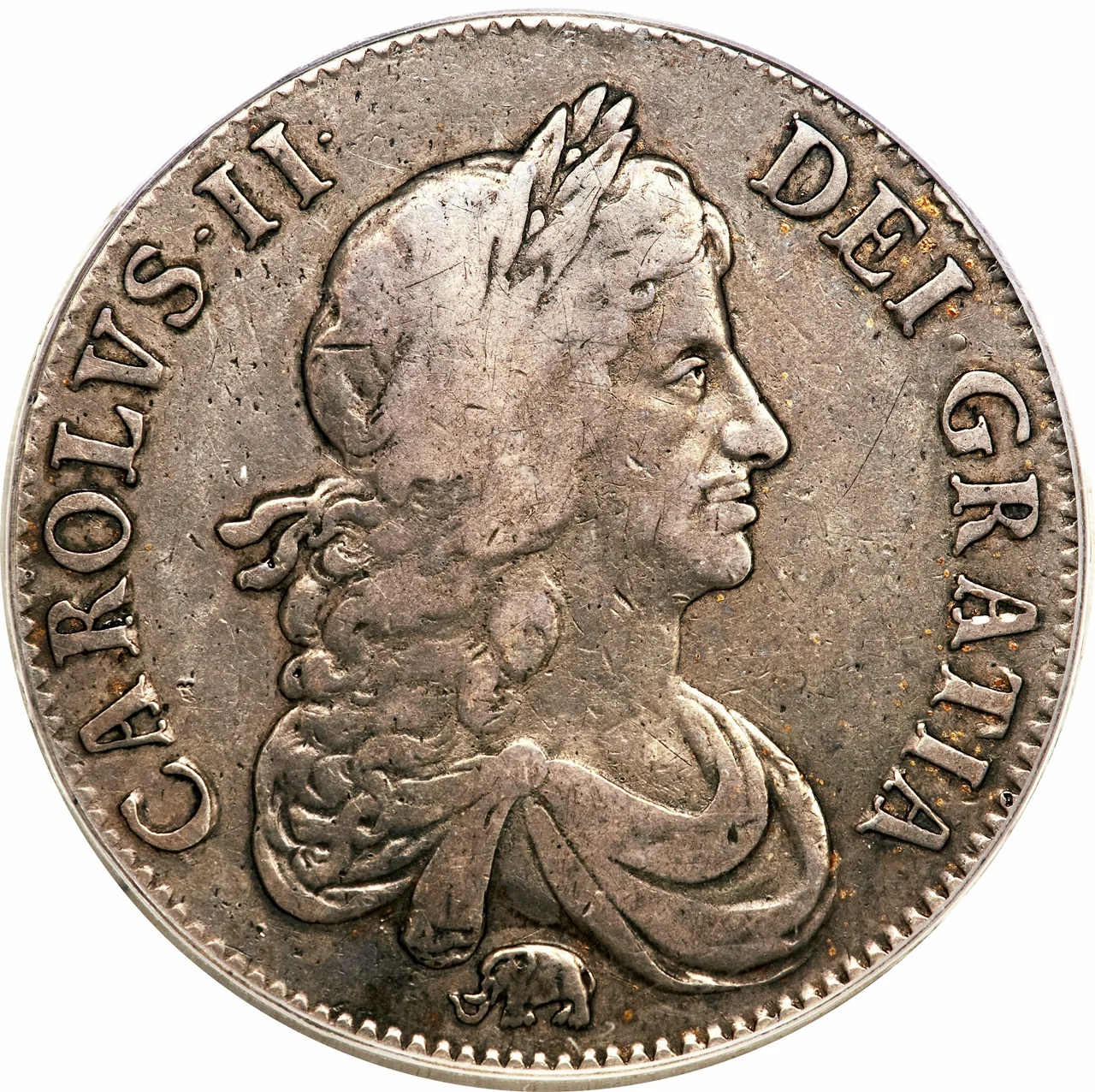
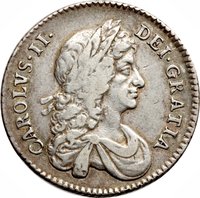
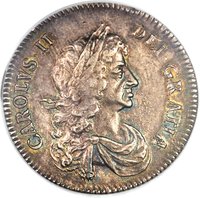
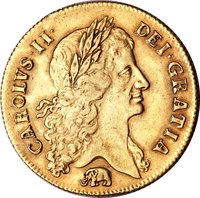
Second laureate, draped bust of Charles II right, elephant below.
Inscription:
CAROLUS·II· DEI·GRATIA
Script: Latin
Reverse
Description:
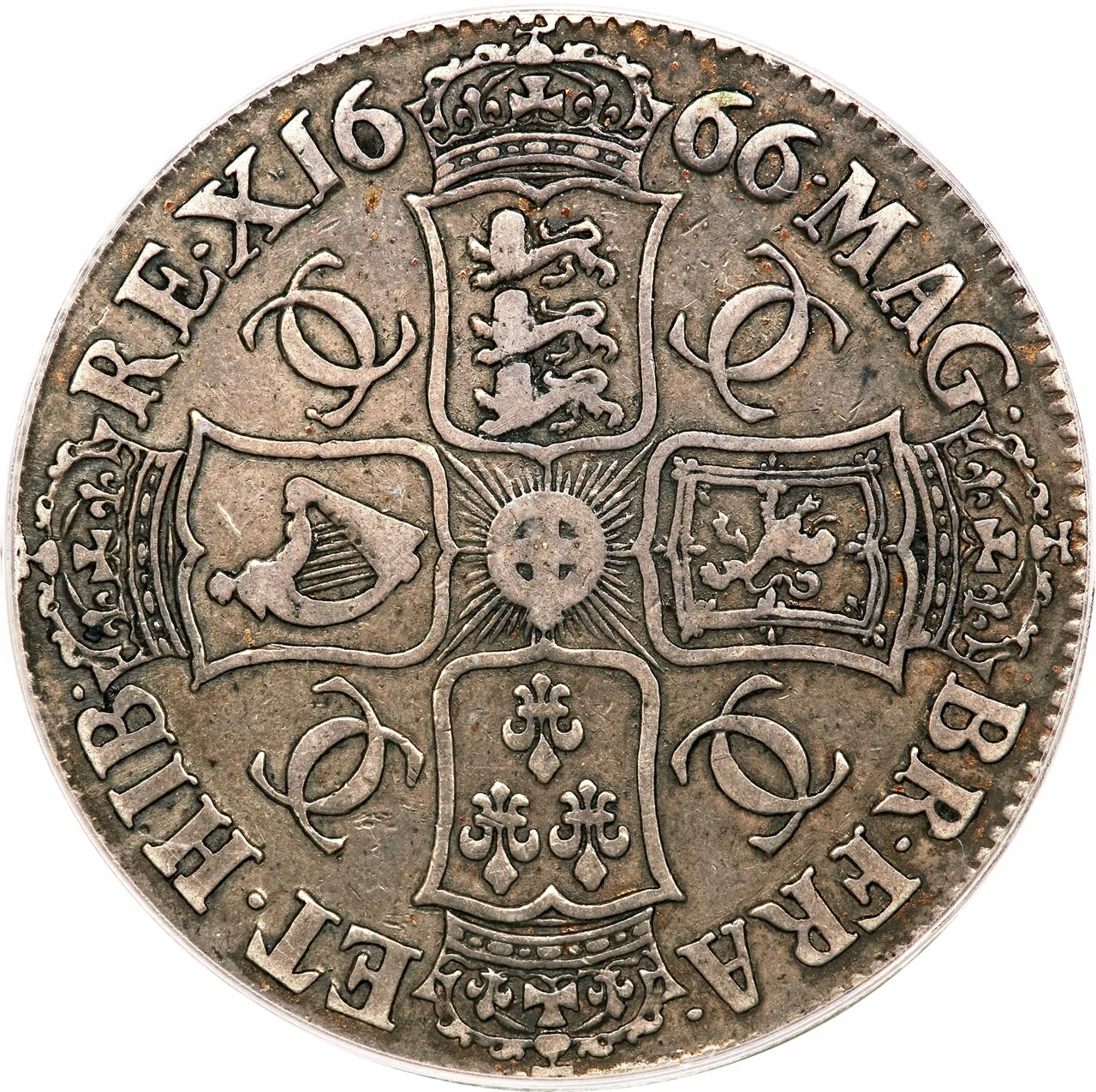
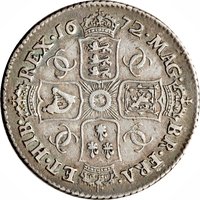
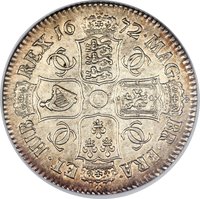
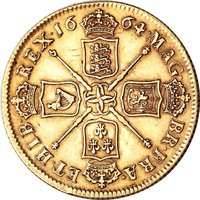
Crowned shields flank central Garter star, interlinked C's in angles, date above, legend around.
Inscription:
MAG· BR·FRA· ET·HIB· RE·X16 66·
Script: Latin
Edge
Mintings
| Year | Mint Mark | Mintage | Quality | Collection |
|---|---|---|---|---|
| 1666 | — | — |
Historical background
In 1666, England’s currency system was in a state of severe crisis, primarily due to widespread clipping and counterfeiting of silver coins. The nation operated on a silver standard, with the value of coins derived from their precious metal content. However, for decades, unscrupulous individuals had been shaving small amounts of silver from the edges of coins, melting the clippings down and selling the bullion, while still passing the now-underweight coins at their face value. This practice had become so rampant that a significant proportion of circulating coinage was badly degraded, making trade difficult and undermining trust in the currency itself.
The problem was compounded by the fact that England’s minting technology was outdated. The coins lacked milled edges (a security feature invented decades earlier), making clipping easy to perform and hard to detect. As a result, "good" full-weight coins were often hoarded or exported, leaving only the damaged and lightweight coins in general circulation—a classic example of Gresham’s Law, where "bad money drives out good." This monetary instability created practical hardships for daily commerce and posed a serious threat to the economy, as the government’s ability to collect taxes and fund its operations, including the ongoing Second Anglo-Dutch War, was severely hampered.
Recognizing the urgent need for reform, the government, led by Chancellor of the Exchequer Sir George Downing, seized an opportunity presented by the Great Fire of London in September 1666. The fire had destroyed the old Royal Mint, and in its aftermath, Parliament passed the Act for the Encouragement of Coinage in 1666. This crucial legislation shifted the cost of minting new coins from the individual bringing in bullion to the state, removing a key barrier to renewal. It paved the way for the comprehensive Great Recoinage of 1696, which would eventually restore stability by introducing machine-made coins with milled edges, but the foundational step to address the currency chaos was taken in this pivotal year.
The problem was compounded by the fact that England’s minting technology was outdated. The coins lacked milled edges (a security feature invented decades earlier), making clipping easy to perform and hard to detect. As a result, "good" full-weight coins were often hoarded or exported, leaving only the damaged and lightweight coins in general circulation—a classic example of Gresham’s Law, where "bad money drives out good." This monetary instability created practical hardships for daily commerce and posed a serious threat to the economy, as the government’s ability to collect taxes and fund its operations, including the ongoing Second Anglo-Dutch War, was severely hampered.
Recognizing the urgent need for reform, the government, led by Chancellor of the Exchequer Sir George Downing, seized an opportunity presented by the Great Fire of London in September 1666. The fire had destroyed the old Royal Mint, and in its aftermath, Parliament passed the Act for the Encouragement of Coinage in 1666. This crucial legislation shifted the cost of minting new coins from the individual bringing in bullion to the state, removing a key barrier to renewal. It paved the way for the comprehensive Great Recoinage of 1696, which would eventually restore stability by introducing machine-made coins with milled edges, but the foundational step to address the currency chaos was taken in this pivotal year.
✨ Legendary