

½ Penny – United Kingdom
United Kingdom
Context
Years: 1770–1775
Issuer: United Kingdom 
Ruler: George III
Currency:
(1158—1970)
Demonetization: 31 December 1869
Material
References
KM: #Click to copy to clipboard601
Numista: #5335
Obverse
Description:
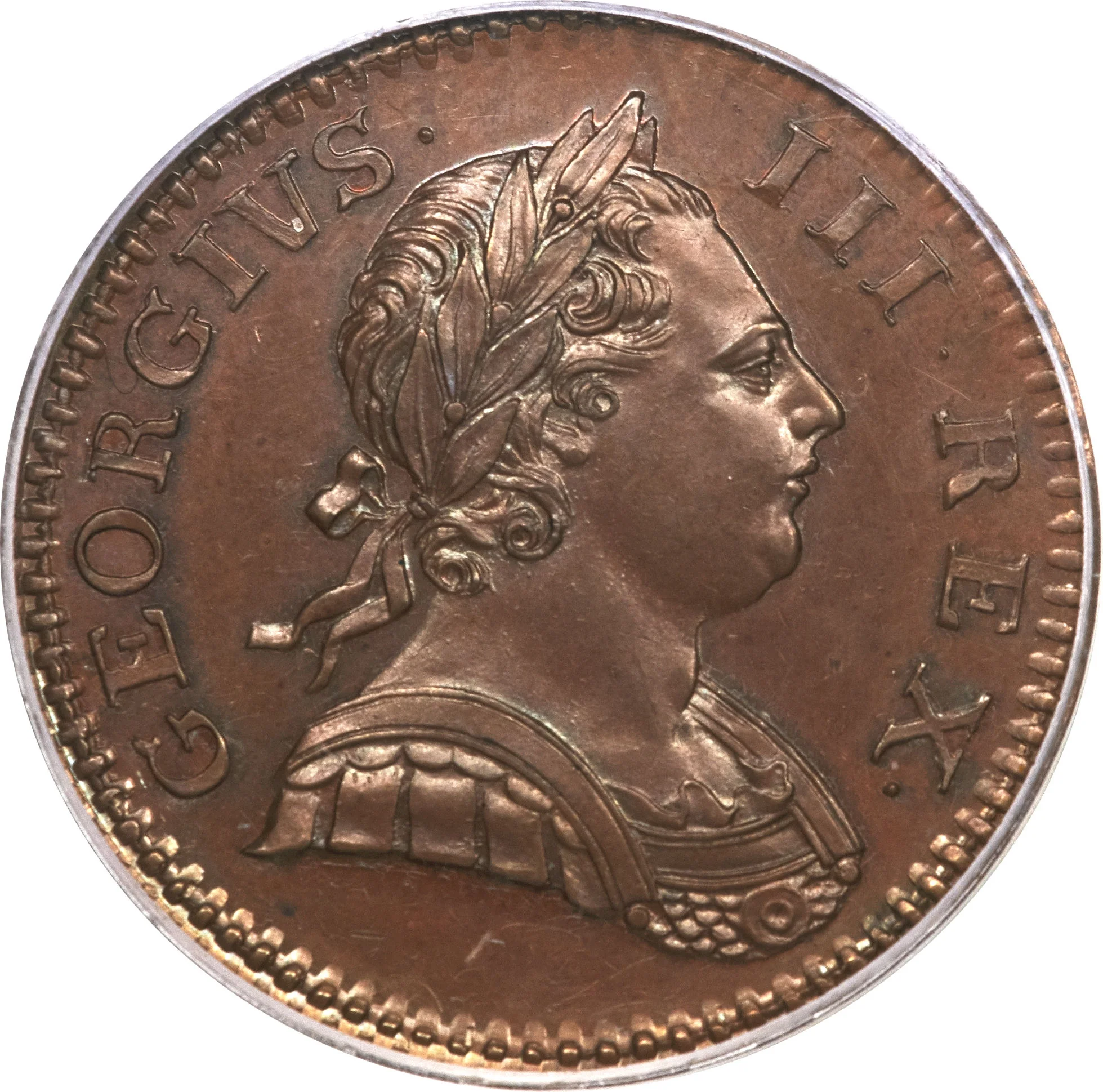
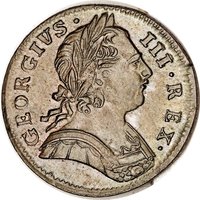
Laureate bust of George III right, legend surrounding.
Inscription:
GEORGIVS· III· REX·
Script: Latin
Reverse
Description:
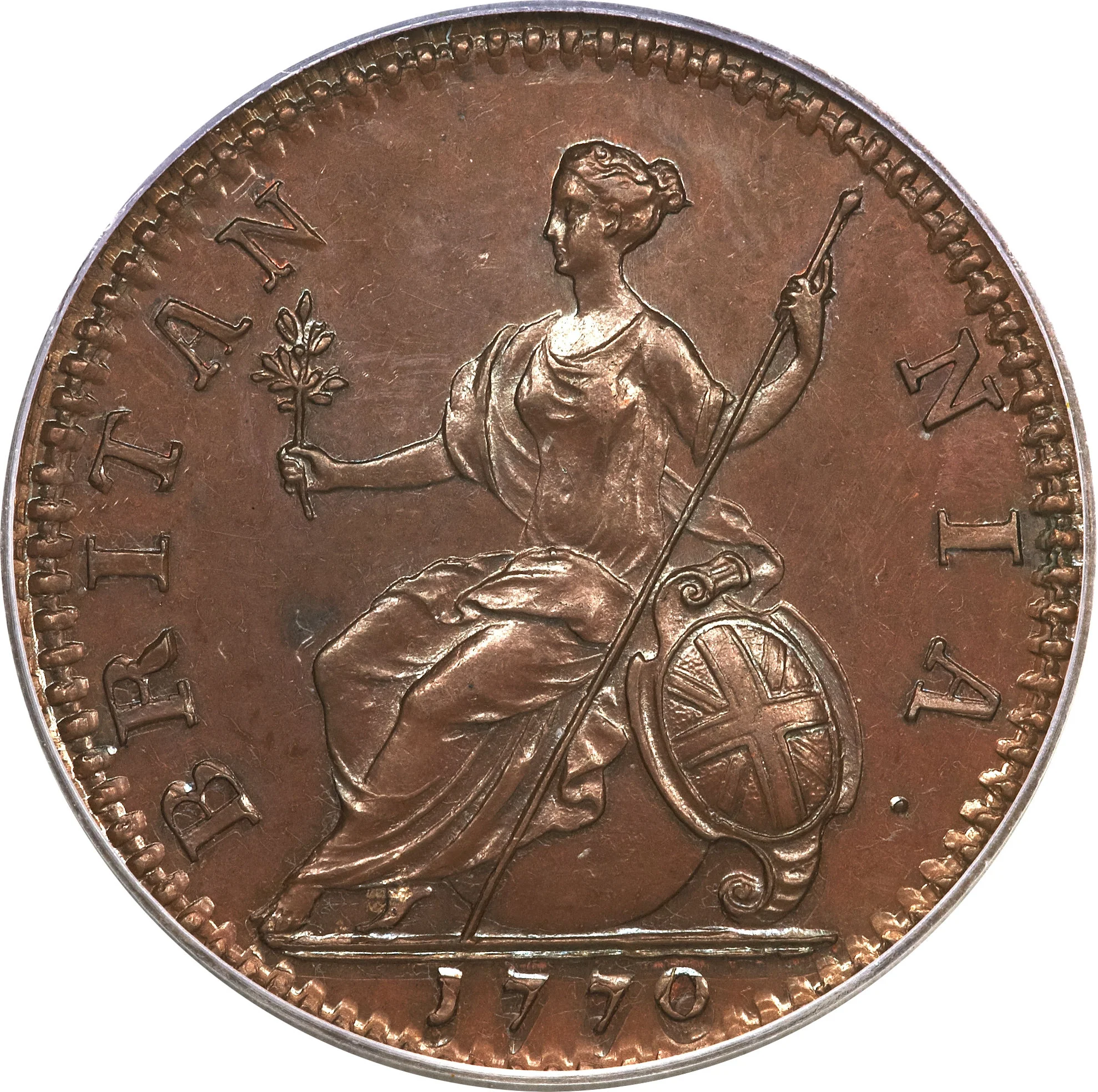
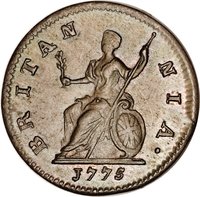
Britannia seated left, holding trident and olive branch, shield with Union flag beside her, legend around, date below.
Inscription:
BRITANNIA·
1770
1770
Script: Latin
Edge
Plain
Mints
| Name | Mark |
|---|---|
| Royal Mint (Tower of London) | — |
Mintings
| Year | Mint Mark | Mintage | Quality | Collection |
|---|---|---|---|---|
| 1770 | — | — | ||
| 1770 | — | — | Proof | |
| 1771 | — | — | ||
| 1772 | — | — | ||
| 1773 | — | — | ||
| 1774 | — | — | ||
| 1775 | — | — |
Historical background
In 1770, the United Kingdom operated under a bimetallic standard, with both gold and silver serving as legal tender. The system was governed by the Royal Mint's official coinage ratios, but it was notoriously unstable due to the global market value of the metals frequently diverging from the fixed mint price. This often led to the phenomenon of "bad money driving out good" (Gresham's Law), where undervalued coins were hoarded or melted down for bullion, while overvalued coins remained in circulation. Consequently, the domestic supply of sound coinage was chronically insufficient for daily commerce, creating a persistent problem of small change for the general populace and merchants.
To bridge this gap, a vast array of private and semi-official tokens, promissory notes, and bills of exchange circulated alongside official coinage. Provincial banks, merchants, and even industrial firms issued their own paper notes and tokens, which were essential for facilitating local trade and paying wages. However, this patchwork of private currency was highly variable in quality and reliability, leading to frequent losses for the public through bank failures or the depreciation of notes. The Bank of England's notes, predominantly for large denominations like £10 and above, were the most trusted paper money but were far beyond the reach of ordinary citizens, for whom a few shillings constituted a week's wage.
This monetary environment existed against a backdrop of significant economic expansion and imperial ambition. The nation was financing global trade, colonial ventures, and early industrial growth with a monetary system that was fundamentally fragmented and archaic. The strain on the system would become increasingly apparent in the coming decades, contributing to the financial pressures that led to the Bank Restriction Act of 1797, which suspended gold convertibility. Thus, the currency situation of 1770 was one of underlying tension, where a growing commercial economy was constrained by a metallic standard struggling to function in practice, reliant on an unstable and complex web of supplementary currencies.
To bridge this gap, a vast array of private and semi-official tokens, promissory notes, and bills of exchange circulated alongside official coinage. Provincial banks, merchants, and even industrial firms issued their own paper notes and tokens, which were essential for facilitating local trade and paying wages. However, this patchwork of private currency was highly variable in quality and reliability, leading to frequent losses for the public through bank failures or the depreciation of notes. The Bank of England's notes, predominantly for large denominations like £10 and above, were the most trusted paper money but were far beyond the reach of ordinary citizens, for whom a few shillings constituted a week's wage.
This monetary environment existed against a backdrop of significant economic expansion and imperial ambition. The nation was financing global trade, colonial ventures, and early industrial growth with a monetary system that was fundamentally fragmented and archaic. The strain on the system would become increasingly apparent in the coming decades, contributing to the financial pressures that led to the Bank Restriction Act of 1797, which suspended gold convertibility. Thus, the currency situation of 1770 was one of underlying tension, where a growing commercial economy was constrained by a metallic standard struggling to function in practice, reliant on an unstable and complex web of supplementary currencies.
🌱 Common