

1 Rupee – Mughal Empire
India
Context
Years: 1684–1707
Country: India 
Issuer: Mughal Empire
Ruler: Aurangzeb
Currency:
(1540—1842)
Demonetized: Yes
Material
References
KM: #Click to copy to clipboard300.39
Numista: #52518
Value
Bullion value: $31.18
Obverse
Description:
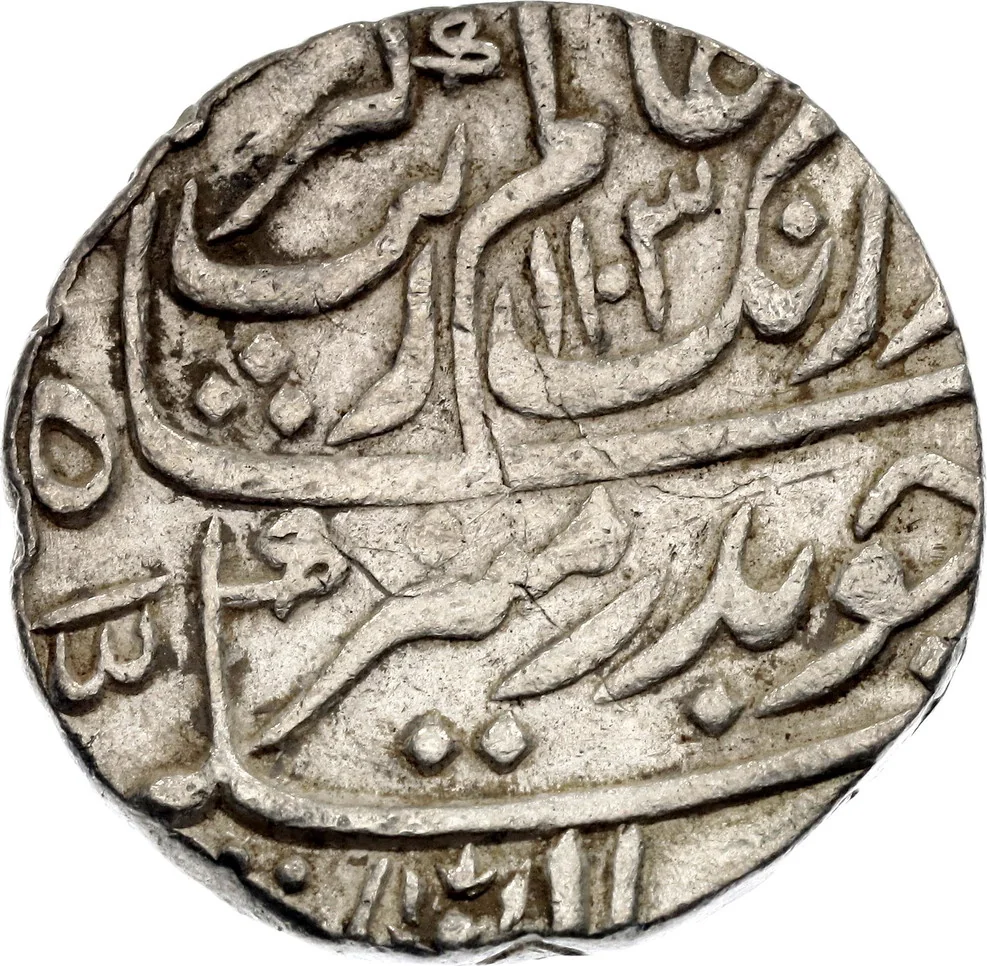
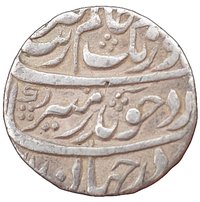
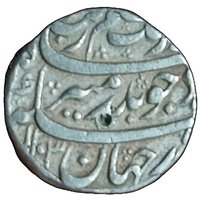
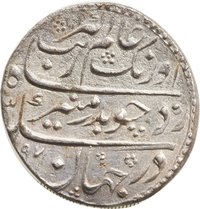
Aurangzeb Alamgir issued coins in 1109 AH, shining like the full moon.
Inscription:
١١٠٩ شاه اورنگ زیب عالم گیر
سیکۂ زد جو بدر منیر
در جہان
سیکۂ زد جو بدر منیر
در جہان
Script: Persian
Reverse
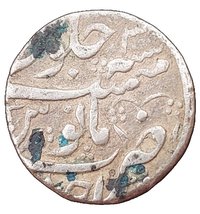
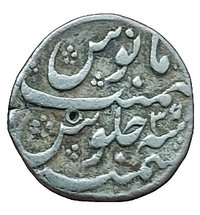
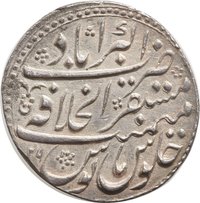
Description:
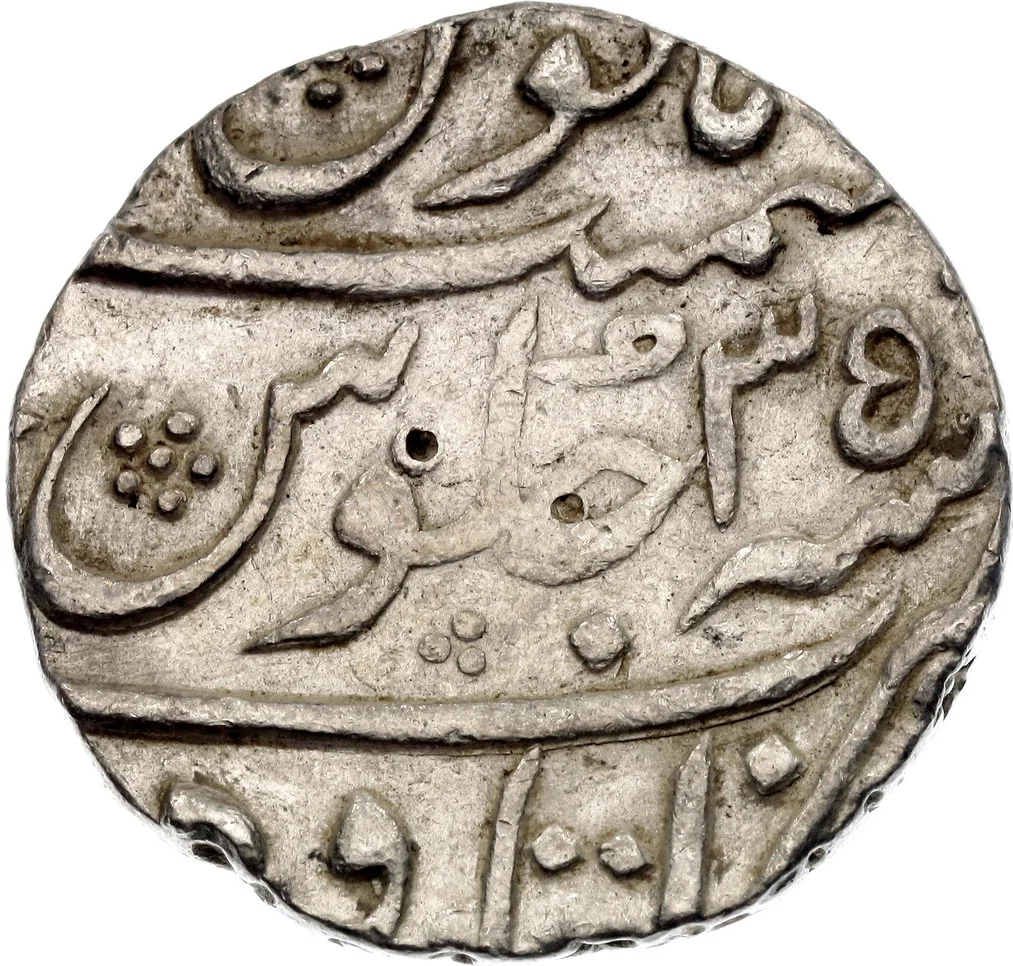
Juluos, Manoos, Year 42, Itawa Mint
Inscription:
میمنت مانوس
سنہ۴۲ جلوس
ضرب اتاوہ
سنہ۴۲ جلوس
ضرب اتاوہ
Edge
Plain
Mintings
| Year | Mint Mark | Mintage | Quality | Collection |
|---|---|---|---|---|
| 1684 | — | — | ||
| 1685 | — | — | ||
| 1686 | — | — | ||
| 1687 | — | — | ||
| 1688 | — | — | ||
| 1689 | — | — | ||
| 1690 | — | — | ||
| 1691 | — | — | ||
| 1692 | — | — | ||
| 1693 | — | — | ||
| 1694 | — | — | ||
| 1695 | — | — | ||
| 1696 | — | — | ||
| 1697 | — | — | ||
| 1698 | — | — | ||
| 1699 | — | — | ||
| 1700 | — | — | ||
| 1701 | — | — | ||
| 1702 | — | — | ||
| 1703 | — | — | ||
| 1704 | — | — | ||
| 1705 | — | — | ||
| 1706 | — | — | ||
| 1707 | — | — |
Historical background
In 1684, the Mughal Empire's currency system was a well-established and sophisticated bimetallic structure, operating under the reign of the austere and powerful Emperor Aurangzeb Alamgir. The system was centrally controlled from the imperial mints (dar-ul-zarb), with the silver rupee as the primary unit of account and medium for large transactions, taxation, and state revenue. It was complemented by the gold mohur, used for high-value transactions, hoarding, and ceremonial purposes, and a range of copper dams or paisa for everyday local trade. The integrity of the currency was high, as coins were meticulously minted with consistent weight and purity, bearing inscriptions that often included the emperor's name, the mint name, and the Hijri year.
This year fell within a period of both immense territorial expanse and significant financial strain for the empire. Aurangzeb's prolonged and costly military campaigns in the Deccan, particularly against the Maratha Confederacy, were draining the imperial treasury. While the currency itself remained trusted, the state's relentless demand for bullion to fund the war effort placed immense pressure on the economy. This led to increased taxation and the flow of vast quantities of silver from the treasury to the war zones, potentially causing localized shortages of specie and affecting the broader circulation of coins.
Furthermore, the empire's currency faced the persistent challenge of regional variation. While imperial mints in major cities like Delhi, Surat, and Lahore produced standard coins, numerous local and sub-imperial mints also operated, sometimes with slight variations in weight or design. The system's robustness was also underpinned by the influx of New World silver, primarily through European trade via the Mughal port of Surat, which helped replenish the silver stocks necessary for minting rupees. Thus, in 1684, the Mughal currency was a pillar of administrative strength, yet one feeling the tremors of the empire's vast military ambitions and the complex dynamics of a continental economy.
This year fell within a period of both immense territorial expanse and significant financial strain for the empire. Aurangzeb's prolonged and costly military campaigns in the Deccan, particularly against the Maratha Confederacy, were draining the imperial treasury. While the currency itself remained trusted, the state's relentless demand for bullion to fund the war effort placed immense pressure on the economy. This led to increased taxation and the flow of vast quantities of silver from the treasury to the war zones, potentially causing localized shortages of specie and affecting the broader circulation of coins.
Furthermore, the empire's currency faced the persistent challenge of regional variation. While imperial mints in major cities like Delhi, Surat, and Lahore produced standard coins, numerous local and sub-imperial mints also operated, sometimes with slight variations in weight or design. The system's robustness was also underpinned by the influx of New World silver, primarily through European trade via the Mughal port of Surat, which helped replenish the silver stocks necessary for minting rupees. Thus, in 1684, the Mughal currency was a pillar of administrative strength, yet one feeling the tremors of the empire's vast military ambitions and the complex dynamics of a continental economy.
⭐ Rare