

2 lariat – Maldives
Add to wishlist
Maldives
Context
Year: 1793
Islamic (Hijri) Year:: 1207
Issuer: Maldives
Ruler: Hassan Nooraddeen I
Currency:
(1660—1947)
Demonetized: Yes
References
KM: #
Numista: #117861
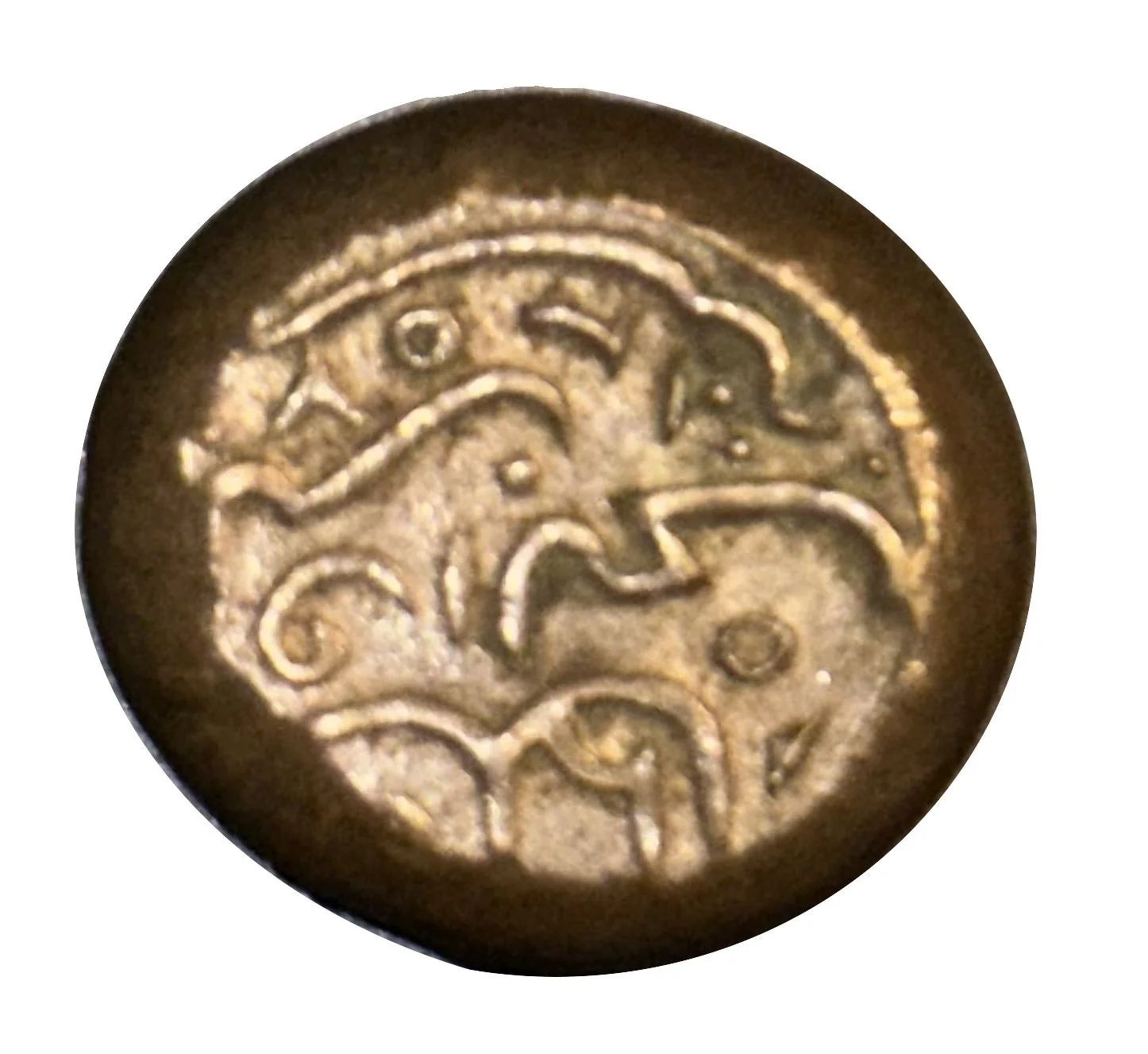
Obverse
Description:
Sultan's title
Inscription:
سلطان
حسن
نور الدين
حسن
نور الدين
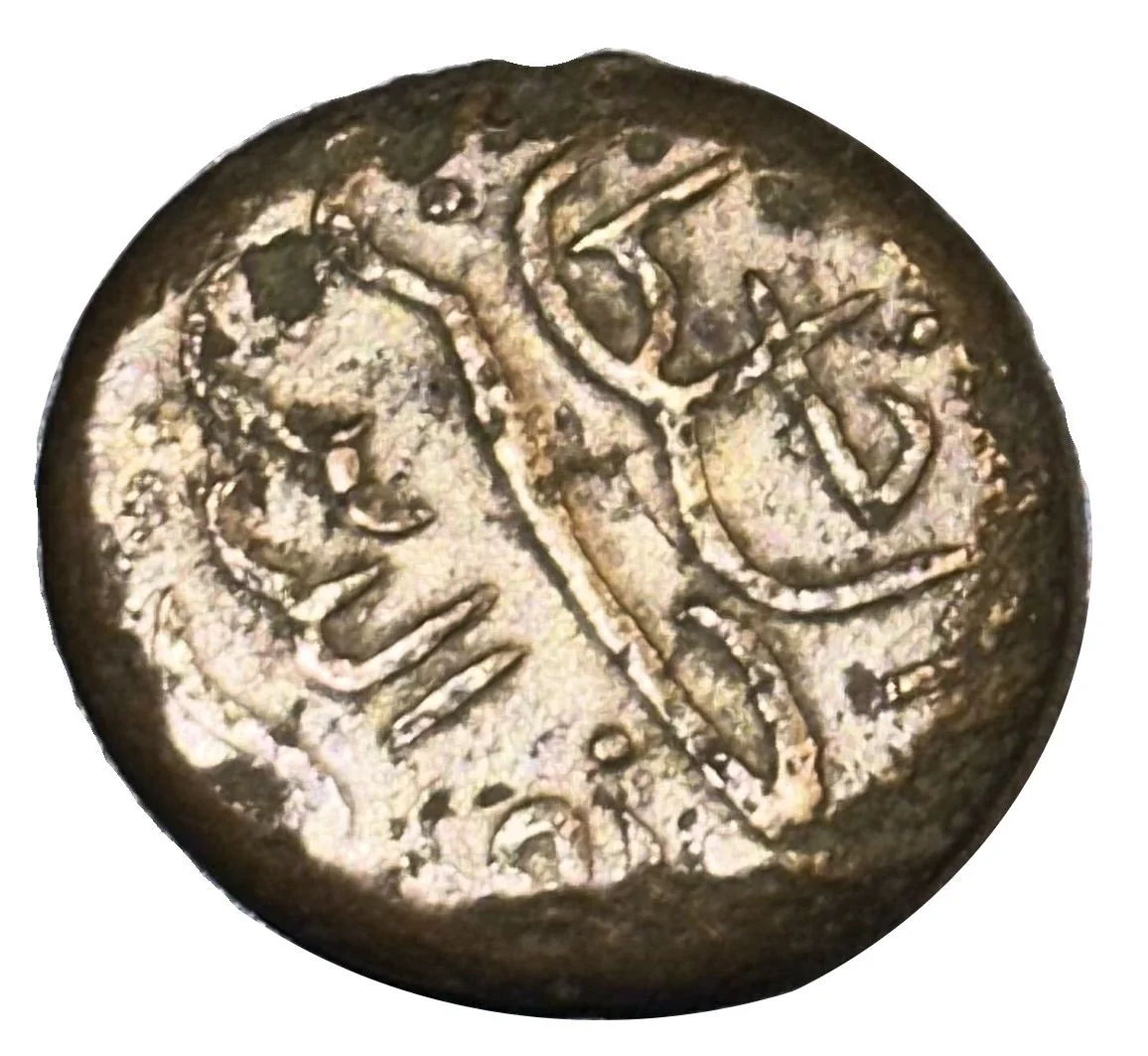
Reverse
Description:
Dated in the fourth line.
Inscription:
١٢٠٧
Edge
Mintings
| Year | Mint Mark | Mintage | Quality | Collection |
|---|---|---|---|---|
| 1793 | — | — |
Historical background
In 1793, the Maldives operated within a complex web of traditional, regional, and emerging colonial monetary systems. The official and most valued currency was the Larín, a silver wire coin often bent into a hook or "fishhook" shape, whose name derived from the Persian city of Lar. This currency had dominated Indian Ocean trade for centuries and was central to both internal taxation and external commerce, particularly with merchants from the Malabar Coast and Arabia. However, the physical supply of these coins was inconsistent, leading to a chronic shortage of official specie for everyday transactions.
Consequently, the domestic economy heavily relied on a system of cowrie shells (Cypraea moneta), imported in vast quantities from the Maldives' own atolls and from East Africa. These shells served as the small change of the islands, used in local markets and for minor payments. Their value was stable due to their controlled issuance by the sultanate, but they were bulky and impractical for large-scale trade. Alongside these, various foreign silver coins, especially Spanish dollars (pieces of eight) and Dutch rijksdaalders, circulated in the port of Malé. These European coins were gaining prominence as the British East India Company expanded its influence in the region, facilitating trade in commodities like dried fish, coir rope, and ambergris.
The monetary landscape in 1793 was therefore one of transition and layering. The Sultanate in Malé officially valued the silver Larín, but the reality for most Maldivians was a cowrie-based subsistence economy. Meanwhile, the increasing infiltration of European silver dollars signalled a slow shift toward the monetary systems of colonial powers, presaging the greater economic integration and dependency that would characterize the 19th century. This tripartite system—traditional larins, local cowries, and foreign silver—reflected the Maldives' position as a small but strategically located archipelago navigating between its own traditions and the pressures of a changing Indian Ocean world.
Consequently, the domestic economy heavily relied on a system of cowrie shells (Cypraea moneta), imported in vast quantities from the Maldives' own atolls and from East Africa. These shells served as the small change of the islands, used in local markets and for minor payments. Their value was stable due to their controlled issuance by the sultanate, but they were bulky and impractical for large-scale trade. Alongside these, various foreign silver coins, especially Spanish dollars (pieces of eight) and Dutch rijksdaalders, circulated in the port of Malé. These European coins were gaining prominence as the British East India Company expanded its influence in the region, facilitating trade in commodities like dried fish, coir rope, and ambergris.
The monetary landscape in 1793 was therefore one of transition and layering. The Sultanate in Malé officially valued the silver Larín, but the reality for most Maldivians was a cowrie-based subsistence economy. Meanwhile, the increasing infiltration of European silver dollars signalled a slow shift toward the monetary systems of colonial powers, presaging the greater economic integration and dependency that would characterize the 19th century. This tripartite system—traditional larins, local cowries, and foreign silver—reflected the Maldives' position as a small but strategically located archipelago navigating between its own traditions and the pressures of a changing Indian Ocean world.

✨ Legendary