

2 lariat – Maldives
Add to wishlist
Maldives
Context
Year: 1787
Islamic (Hijri) Year:: 1201
Issuer: Maldives
Ruler: Hassan Nooraddeen I
Currency:
(1660—1947)
Demonetized: Yes
References
KM: #
Numista: #117862
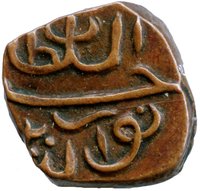
Obverse
Description:
Sultan's title
Inscription:
سلطان
حسن
نور الدين
حسن
نور الدين
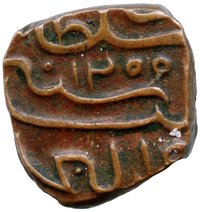
Reverse
Description:
Dated in third line.
Inscription:
١٢٠١
Edge
Mintings
| Year | Mint Mark | Mintage | Quality | Collection |
|---|---|---|---|---|
| 1787 | — | — |
Historical background
The currency situation in the Maldives in 1787 was one of extreme scarcity and reliance on foreign coinage, reflecting the archipelago's position as a small, trade-dependent island chain. There was no nationally minted Maldivian currency at the time. Instead, the economy operated on a system of commodity money—primarily cowrie shells (Cauri) harvested from the sea—and a wide array of foreign silver coins that entered through maritime trade. These coins included Portuguese xerafins, Dutch rijksdaalders, and various Indian rupees, particularly those from the Mughal Empire and the French settlements in India, creating a complex and inconsistent monetary environment.
This reliance on external currencies made the Maldivian economy vulnerable to the ebb and flow of regional commerce and the policies of foreign powers. The value of these coins was not fixed by a central authority but was subject to negotiation and fluctuated based on their silver content and the arrival of trading vessels. The Sultanate in Malé exercised limited control, often decreeing exchange rates between different coins and the staple cowrie shells in an attempt to impose order. However, the system was inherently unstable, with transactions often requiring careful assessment and weighing of coins, hindering efficient trade and taxation.
The year 1787 falls within a period of political transition, shortly before Sultan Hasan 'Izz ud-din consolidated power in the 1790s. The monetary disarray was symptomatic of broader challenges, including European colonial competition in the Indian Ocean and the struggle to maintain sovereignty. The lack of a unified, sovereign currency underscored the Maldives' peripheral yet connected role in the regional economy, where the medium of exchange was literally imported, leaving the Sultanate with little monetary autonomy and setting the stage for future reforms in the coming century.
This reliance on external currencies made the Maldivian economy vulnerable to the ebb and flow of regional commerce and the policies of foreign powers. The value of these coins was not fixed by a central authority but was subject to negotiation and fluctuated based on their silver content and the arrival of trading vessels. The Sultanate in Malé exercised limited control, often decreeing exchange rates between different coins and the staple cowrie shells in an attempt to impose order. However, the system was inherently unstable, with transactions often requiring careful assessment and weighing of coins, hindering efficient trade and taxation.
The year 1787 falls within a period of political transition, shortly before Sultan Hasan 'Izz ud-din consolidated power in the 1790s. The monetary disarray was symptomatic of broader challenges, including European colonial competition in the Indian Ocean and the struggle to maintain sovereignty. The lack of a unified, sovereign currency underscored the Maldives' peripheral yet connected role in the regional economy, where the medium of exchange was literally imported, leaving the Sultanate with little monetary autonomy and setting the stage for future reforms in the coming century.
✨ Legendary