

1 Larin – Maldives
Maldives
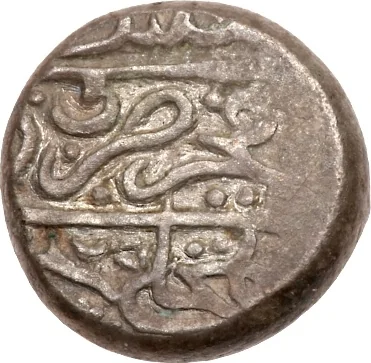
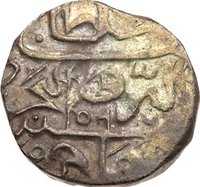
Obverse
Description:
Sultan, mint, date
Inscription:
اسكندر
ضرب في
١٠٧٠
المحلى سنه
ضرب في
١٠٧٠
المحلى سنه
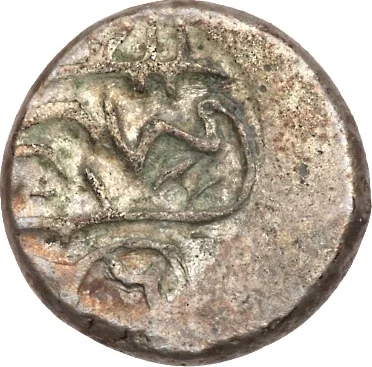
Reverse
Description:
Sultan: a Muslim ruler's title.
Inscription:
السلطان
البر والبحر
السلطان
البر والبحر
السلطان
Edge
Mintings
| Year | Mint Mark | Mintage | Quality | Collection |
|---|---|---|---|---|
| 1660 | — | — | ||
| 1664 | — | — | ||
| 1666 | — | — |
Historical background
In 1660, the Maldives operated within a complex and multi-layered monetary system, heavily influenced by its pivotal role in the Indian Ocean trade network. The primary currency in circulation was the Larín, a silver wire coin often bent into a hook or "fishhook" shape. These were not minted locally but imported in vast quantities, originating from Persian and Ottoman mints. Their value was intrinsically tied to their silver content, making them a trusted regional currency for international transactions involving spices, cowrie shells, and coir rope, the archipelago's key exports.
Alongside the Larín, the economy relied heavily on two forms of commodity money. Cowrie shells (Cypraea moneta), harvested from the Maldives itself, served as a fundamental unit for local, small-scale trade and taxation. More significantly, copper coins from the neighbouring Malabar Coast of India, particularly Kanara fanams and later Mughal rupees, circulated widely. This created a tri-metallic system where gold coins were used for high-value state transactions and dowries, silver Laríns for substantial trade, and copper and cowries for everyday market purchases, with fluctuating exchange rates between them.
This monetary landscape was overseen by the Maldive Sultanate, which derived substantial revenue from customs duties on trade and the state monopoly on the cowrie shell harvest. However, the inability to mint its own sovereign coinage reflected a degree of economic dependency. The currency situation in 1660 thus encapsulates the Maldives' position: a strategically important hub in global commerce, yet one whose internal economy was subject to the ebb and flow of foreign silver and the enduring legacy of shell money.
Alongside the Larín, the economy relied heavily on two forms of commodity money. Cowrie shells (Cypraea moneta), harvested from the Maldives itself, served as a fundamental unit for local, small-scale trade and taxation. More significantly, copper coins from the neighbouring Malabar Coast of India, particularly Kanara fanams and later Mughal rupees, circulated widely. This created a tri-metallic system where gold coins were used for high-value state transactions and dowries, silver Laríns for substantial trade, and copper and cowries for everyday market purchases, with fluctuating exchange rates between them.
This monetary landscape was overseen by the Maldive Sultanate, which derived substantial revenue from customs duties on trade and the state monopoly on the cowrie shell harvest. However, the inability to mint its own sovereign coinage reflected a degree of economic dependency. The currency situation in 1660 thus encapsulates the Maldives' position: a strategically important hub in global commerce, yet one whose internal economy was subject to the ebb and flow of foreign silver and the enduring legacy of shell money.


✨ Legendary