

1 Filippo – Milan
Italy

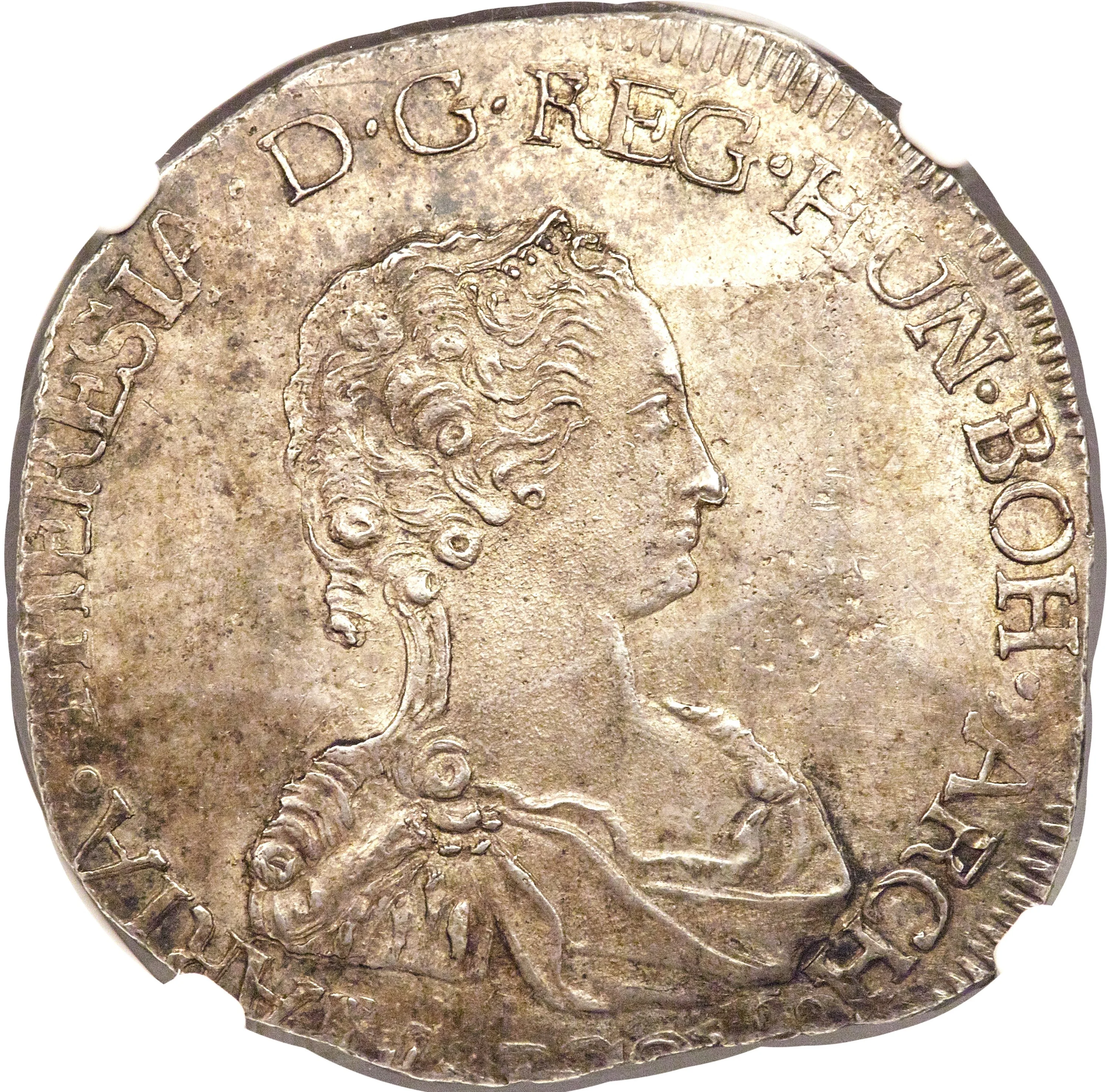
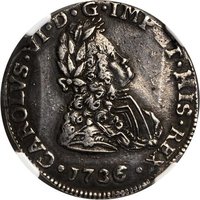
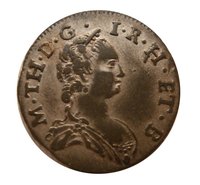
Obverse
Description:
Right-facing bust.
Inscription:
MARIA·THERESIA·D·G·REG·HUN·BOH·ARCH·AUST *
Script: Latin
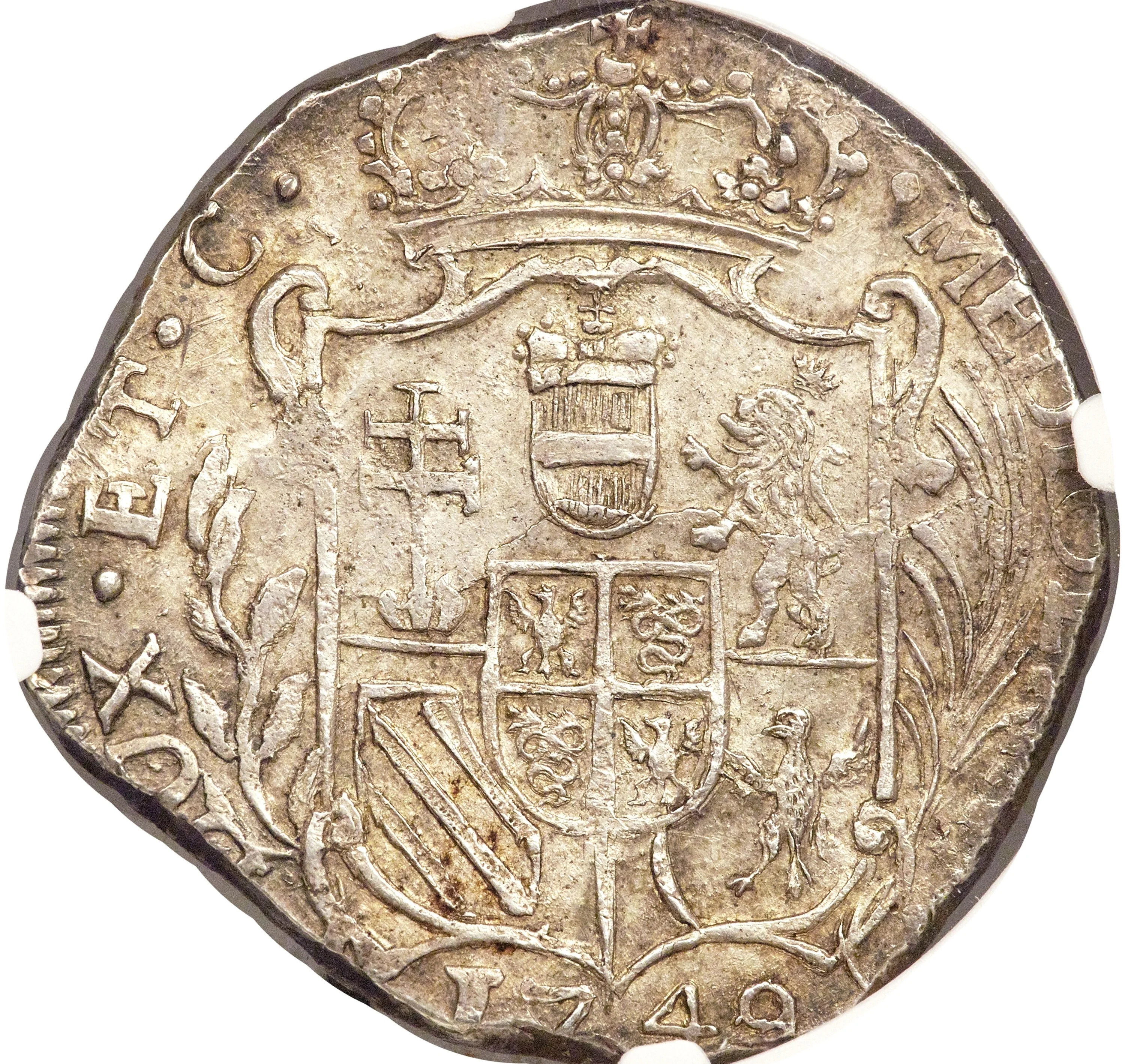
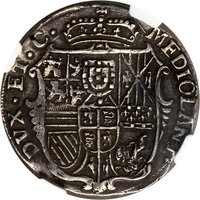
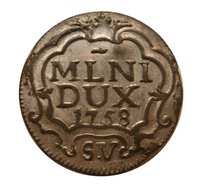
Reverse
Description:
Shield with many arms between branches, date beneath.
Inscription:
MEDIOLANI DUX·ET·C·
1749
1749
Script: Latin
Edge
Categories
| Object> Armour |
| Symbols> Coat of Arms |
Mints
| Name | Mark |
|---|---|
| Milan | — |
Mintings
| Year | Mint Mark | Mintage | Quality | Collection |
|---|---|---|---|---|
| 1741 | — | — | ||
| 1744 | — | — | ||
| 1749 | — | — |
Historical background
In 1741, Milan found itself at a complex financial crossroads, governed by the Austrian Habsburgs under Empress Maria Theresa following the War of the Polish Succession. The official currency was the Milanese scudo, a silver-based coin, but the monetary landscape was notoriously fragmented and unstable. Decades of Spanish and then Austrian rule, coupled with the costs of frequent warfare, had led to repeated debasements—reducing the precious metal content in coins to fund state expenses. This resulted in a circulation flooded with coins of varying intrinsic values, including older Spanish issues, local Austrian-struck currency, and a plethora of foreign coins from neighboring Italian states and trade partners, creating confusion and hindering commerce.
The core problem was a severe shortage of high-value, full-weight silver coins, as these were often hoarded or exported. In their place, a proliferation of low-value copper and billon (debased silver) coins, known as soldi and denari, circulated for daily transactions, but their over-issue led to inflation and a loss of public confidence. Furthermore, the state's fiscal demands to support the ongoing War of the Austrian Succession (1740-1748) placed immense strain on the treasury, pressuring authorities to consider further currency manipulation as a short-term revenue solution, thereby exacerbating the systemic weaknesses.
Consequently, the year 1741 was one of mounting monetary crisis within a pivotal political year. While the Habsburg administration sought to assert control and stabilize the economy, the practical reality for Milanese merchants and citizens was one of uncertainty, complex exchange calculations, and the erosion of purchasing power. This unstable environment highlighted the urgent need for the comprehensive monetary reform that would eventually be pursued later in Maria Theresa's reign, aiming to unify and standardize the currency to foster economic recovery and integration within the Habsburg empire.
The core problem was a severe shortage of high-value, full-weight silver coins, as these were often hoarded or exported. In their place, a proliferation of low-value copper and billon (debased silver) coins, known as soldi and denari, circulated for daily transactions, but their over-issue led to inflation and a loss of public confidence. Furthermore, the state's fiscal demands to support the ongoing War of the Austrian Succession (1740-1748) placed immense strain on the treasury, pressuring authorities to consider further currency manipulation as a short-term revenue solution, thereby exacerbating the systemic weaknesses.
Consequently, the year 1741 was one of mounting monetary crisis within a pivotal political year. While the Habsburg administration sought to assert control and stabilize the economy, the practical reality for Milanese merchants and citizens was one of uncertainty, complex exchange calculations, and the erosion of purchasing power. This unstable environment highlighted the urgent need for the comprehensive monetary reform that would eventually be pursued later in Maria Theresa's reign, aiming to unify and standardize the currency to foster economic recovery and integration within the Habsburg empire.
✨ Legendary