

10 xerafins – Portuguese India
Add to wishlist
India
Context
Years: 1728–1749
Country: India
Issuer: Portuguese India
Ruler: João V
Currency:
(1706—1880)
Demonetized: Yes
Material
Diameter: 22 mm
Weight: 5.6 g
Gold Weight:: 5.60 g
Shape: Irregular round
Composition: Gold
Magnetic: No
Technique: Hammered
References
KM: #
Numista: #50724
Value
Bullion value: $862.05
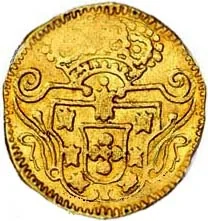
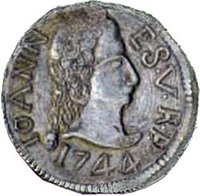
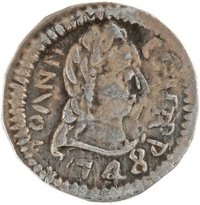
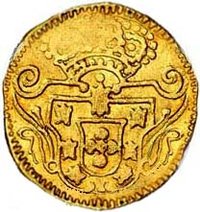
Obverse
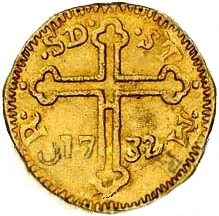
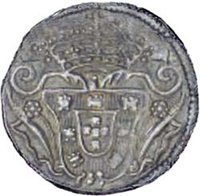
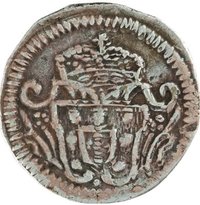
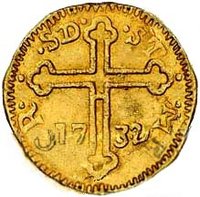
Reverse
Description:
São Tomé Cross division date.
Inscription:
CR - SD - ST - ME
17-28
17-28
Edge
Mints
| Name | Mark |
|---|---|
| Goa | — |
Mintings
| Year | Mint Mark | Mintage | Quality | Collection |
|---|---|---|---|---|
| 1728 | — | — | ||
| 1729 | — | — | ||
| 1732 | — | — | ||
| 1737 | — | — | ||
| 1749 | — | — |
Historical background
In 1728, the currency situation in Portuguese India, centered in Goa, was a complex tapestry of official Portuguese coinage, local and regional currencies, and a chronic shortage of specie. The official currency was the Portuguese xerafim (divided into tangas and reis), but its circulation was limited and its value often theoretical. The Portuguese Crown's attempts to impose a monopoly on coinage were undermined by the reality of a vibrant intra-Asian trade network, where a multitude of foreign coins held more practical sway in the markets of Goa, Damão, and Diu.
The most dominant and trusted currencies in daily commerce were not Portuguese but foreign silver coins, particularly the Spanish real de a ocho (piece of eight) and various silver rupees from the neighboring Mughal Empire and Maratha Confederacy. These coins, valued for their consistent silver content, were the lifeblood of regional trade. Furthermore, gold hons from the Deccan and even older, debased Mughal copper dams facilitated smaller transactions. This created a dual system: official accounts were kept in xerafins, while actual trade was conducted using a fluctuating array of foreign specie, requiring constant and complex valuation tables.
This monetary fragmentation was a symptom of Portugal's diminished economic power in the region. By 1728, the Estado da Índia was a shadow of its former self, heavily reliant on trade and customs revenue rather than territorial control. The chronic lack of Portuguese-minted currency and the reliance on foreign coinage reflected both the integration of Portuguese enclaves into local economies and the Crown's inability to fund or enforce a unified monetary system. The situation was one of pragmatic adaptation, where market forces and the credibility of foreign mints ultimately dictated the currency landscape more than decrees from Lisbon or Goa.
The most dominant and trusted currencies in daily commerce were not Portuguese but foreign silver coins, particularly the Spanish real de a ocho (piece of eight) and various silver rupees from the neighboring Mughal Empire and Maratha Confederacy. These coins, valued for their consistent silver content, were the lifeblood of regional trade. Furthermore, gold hons from the Deccan and even older, debased Mughal copper dams facilitated smaller transactions. This created a dual system: official accounts were kept in xerafins, while actual trade was conducted using a fluctuating array of foreign specie, requiring constant and complex valuation tables.
This monetary fragmentation was a symptom of Portugal's diminished economic power in the region. By 1728, the Estado da Índia was a shadow of its former self, heavily reliant on trade and customs revenue rather than territorial control. The chronic lack of Portuguese-minted currency and the reliance on foreign coinage reflected both the integration of Portuguese enclaves into local economies and the Crown's inability to fund or enforce a unified monetary system. The situation was one of pragmatic adaptation, where market forces and the credibility of foreign mints ultimately dictated the currency landscape more than decrees from Lisbon or Goa.
✨ Legendary