

1 rupee – Mughal Empire
Add to wishlist
India
Context
Years: 1652–1757
Country: India
Issuer: Mughal Empire
Ruler: Alamgir II
Currency:
(1540—1842)
Demonetized: Yes
Material
References
KM: #
Numista: #50479
Value
Bullion value: $28.62
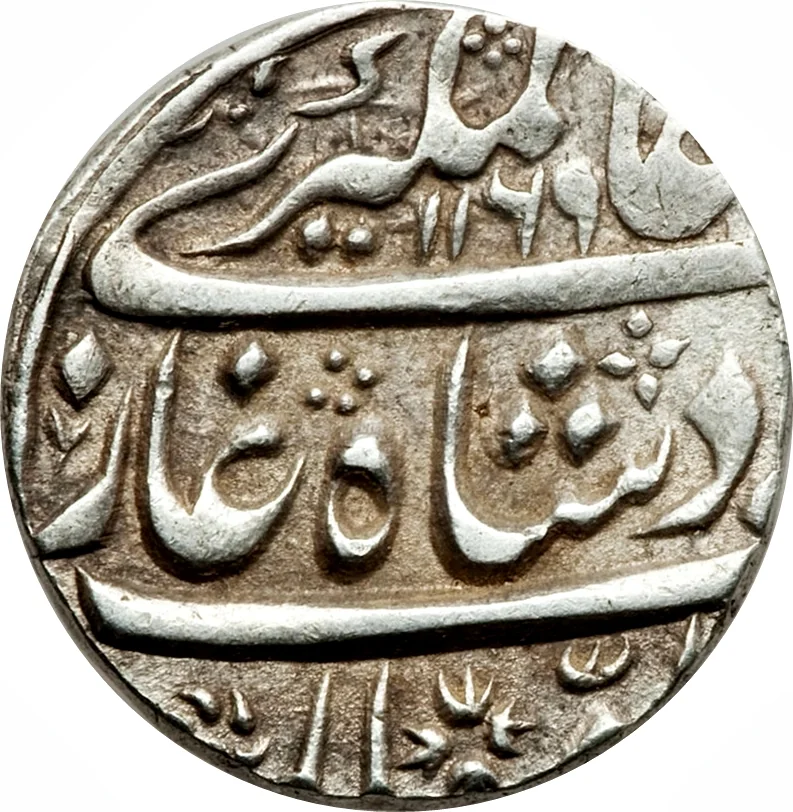
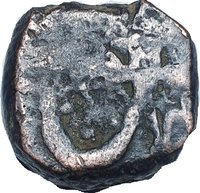
Obverse
Description:
KM#460.17
Inscription:
AH 1169
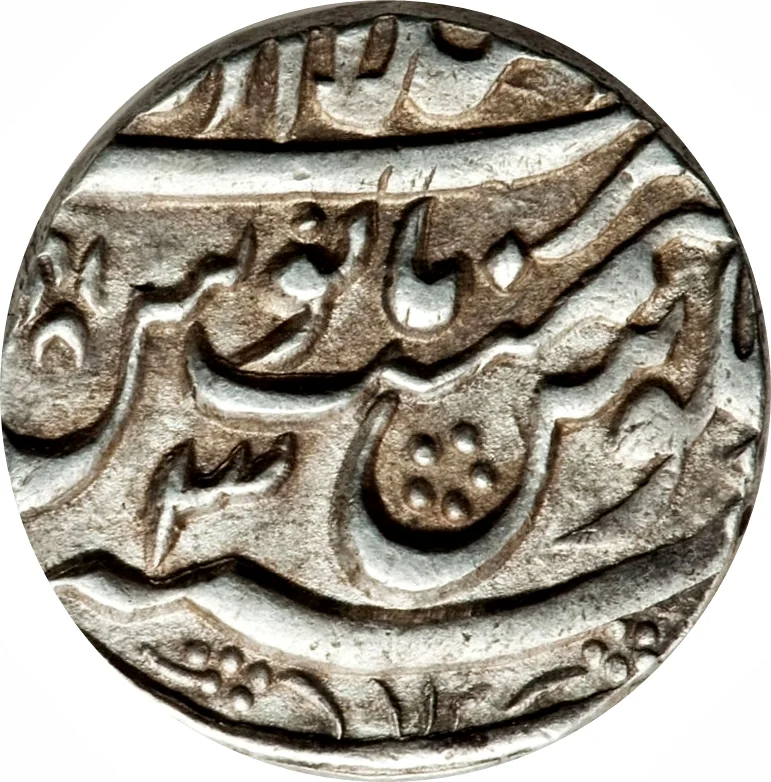
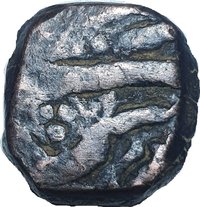
Reverse
Description:
Aziz ud-Din Alamgir, 3rd regnal year (r. 1754–1759 / AH 1167–1173).
Inscription:
٣
Edge
Mintings
| Year | Mint Mark | Mintage | Quality | Collection |
|---|---|---|---|---|
| 1652 | — | — | ||
| 1657 | — | — | ||
| 1658 | — | — | ||
| 1659 | — | — | ||
| 1660 | — | — | ||
| 1749 | — | — | ||
| 1754 | — | — | ||
| 1755 | — | — | ||
| 1756 | — | — | ||
| 1757 | — | — |
Historical background
In 1652, the Mughal Empire's currency system was a sophisticated and highly regulated bimetallic standard, centred on the silver rupee and the gold mohur. The reign of Emperor Shah Jahan (1628-1658) represented the zenith of Mughal economic power and monetary stability. The primary currency, the silver rupee, was struck to a remarkably consistent standard of weight (approximately 11.6 grams) and purity (nearly 95%) at imperial mints (dar-ul-zarb) across the subcontinent, ensuring its wide acceptance not just within the empire but also in international trade across the Indian Ocean.
However, this stability faced a significant external challenge: the "Great Mughal Famine" of 1630-32 and subsequent climatic disruptions had depleted the treasury, while a sustained drain of silver bullion to purchase luxury goods and warhorses from Central Asia and the Middle East created a persistent monetary tightness. Furthermore, the empire was acutely feeling the effects of the "Price Revolution" sweeping the globe, partly driven by influxes of New World silver into Europe and then onwards to Asia. This increased the availability of silver but also triggered gradual price inflation, subtly eroding the purchasing power of the fixed-coinage system.
To manage these pressures, the imperial administration under Shah Jahan exercised strict control. The minting of coins was a sovereign right, and designs were standardised to include the emperor's name, titles, and the mint city, alongside Islamic inscriptions. The gold mohur, used for high-value transactions and hoarding, was valued against the silver rupee at a fluctuating market rate, typically around 14-15 rupees per mohur. In 1652, while the system was administratively robust, it operated under the latent strains of bullion outflow and inflationary trends, which future emperors would struggle to contain.
However, this stability faced a significant external challenge: the "Great Mughal Famine" of 1630-32 and subsequent climatic disruptions had depleted the treasury, while a sustained drain of silver bullion to purchase luxury goods and warhorses from Central Asia and the Middle East created a persistent monetary tightness. Furthermore, the empire was acutely feeling the effects of the "Price Revolution" sweeping the globe, partly driven by influxes of New World silver into Europe and then onwards to Asia. This increased the availability of silver but also triggered gradual price inflation, subtly eroding the purchasing power of the fixed-coinage system.
To manage these pressures, the imperial administration under Shah Jahan exercised strict control. The minting of coins was a sovereign right, and designs were standardised to include the emperor's name, titles, and the mint city, alongside Islamic inscriptions. The gold mohur, used for high-value transactions and hoarding, was valued against the silver rupee at a fluctuating market rate, typically around 14-15 rupees per mohur. In 1652, while the system was administratively robust, it operated under the latent strains of bullion outflow and inflationary trends, which future emperors would struggle to contain.
✨ Legendary