

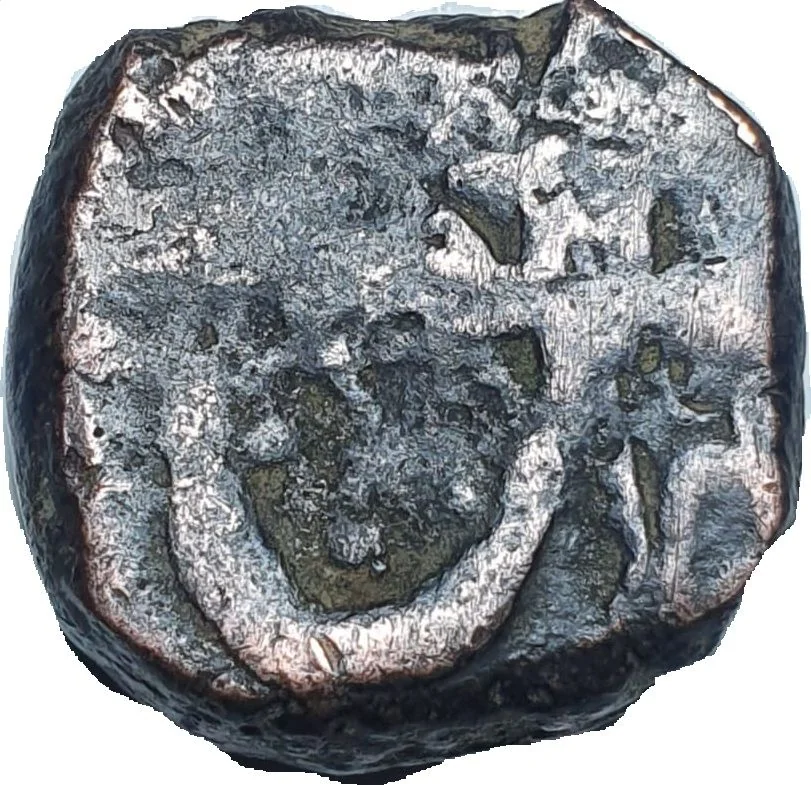
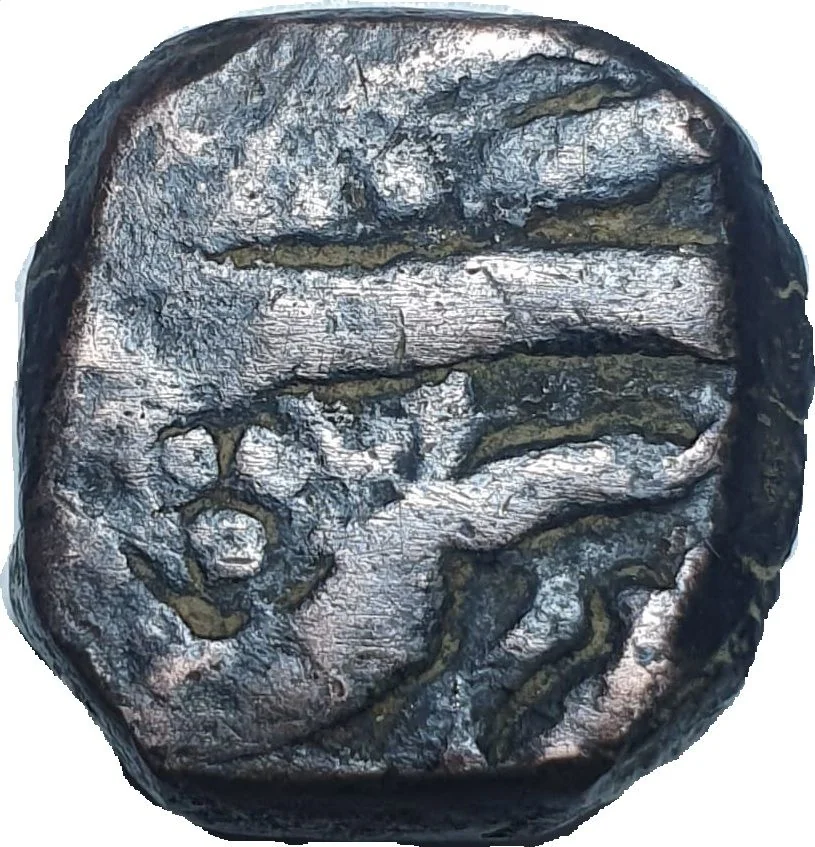
1 Dam – Mughal Empire
India
Context
Year: 1657
Islamic (Hijri) Year: 1067
Country: India 
Issuer: Mughal Empire
Ruler: Shah Jahan
Currency:
(1540—1842)
Demonetized: Yes
Material
Diameter: 20 mm
Weight: 16.57 g
Thickness: 7 mm
Shape: Irregular round
Composition: Copper
Magnetic: No
Technique: Hammered
References
KM: #Click to copy to clipboard206.6
Numista: #500879
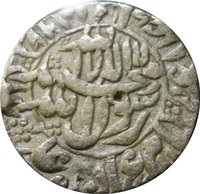
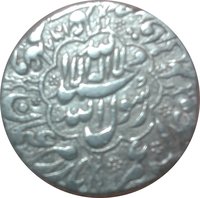
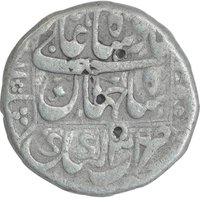
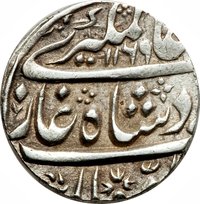
Obverse
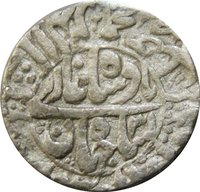
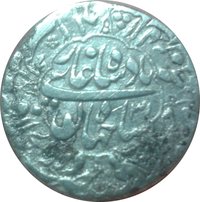
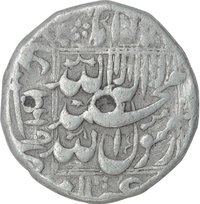
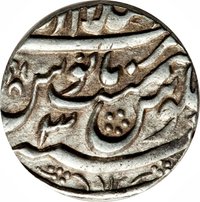
Reverse
Description:
Jagged scrawl
Edge
© infierno
Mintings
| Year | Mint Mark | Mintage | Quality | Collection |
|---|---|---|---|---|
| — | — | — | ||
| 1657 | — | — |
Historical background
By 1657, the Mughal Empire's currency system was a sophisticated and highly regulated bimetallic standard, a legacy of administrative reforms begun under Emperor Akbar and maintained by his successors. The primary units were the silver rupee (rupya) and the gold mohur, with a vast array of copper dams forming the fractional currency for daily transactions. The system's strength lay in its remarkable uniformity; coins were minted to precise weight and purity standards (the rupee at approximately 11.5 grams of .969 fine silver) across a network of imperial mints (dar-ul-zarb), ensuring their acceptance throughout the empire and beyond as a trusted trade currency.
This monetary stability was underpinned by the empire's immense wealth and centralized control over precious metals, particularly the influx of New World silver entering via European trade at Surat and other ports. The treasury (khazana) carefully managed minting rights and currency circulation, which facilitated revenue collection (jama) and paid the vast military and bureaucratic machinery. However, the year 1657 itself marked a point of severe political strain that threatened this stability. Emperor Shah Jahan fell seriously ill, triggering a brutal war of succession among his four sons.
The ensuing conflict (1657-1659) temporarily disrupted the economic and administrative order. Contending princes seized provincial treasuries and mints to fund their armies, potentially leading to local debasements or irregular issues to meet wartime expenses. While the core monetary system was robust enough to survive the crisis, the immediate period saw financial dislocation, as hoarding became common and the seamless flow of revenue to the central authority was fractured until Aurangzeb's eventual victory restored imperial control over the currency machinery.
This monetary stability was underpinned by the empire's immense wealth and centralized control over precious metals, particularly the influx of New World silver entering via European trade at Surat and other ports. The treasury (khazana) carefully managed minting rights and currency circulation, which facilitated revenue collection (jama) and paid the vast military and bureaucratic machinery. However, the year 1657 itself marked a point of severe political strain that threatened this stability. Emperor Shah Jahan fell seriously ill, triggering a brutal war of succession among his four sons.
The ensuing conflict (1657-1659) temporarily disrupted the economic and administrative order. Contending princes seized provincial treasuries and mints to fund their armies, potentially leading to local debasements or irregular issues to meet wartime expenses. While the core monetary system was robust enough to survive the crisis, the immediate period saw financial dislocation, as hoarding became common and the seamless flow of revenue to the central authority was fractured until Aurangzeb's eventual victory restored imperial control over the currency machinery.
✨ Legendary