

1 Paisa – Mughal Empire
India

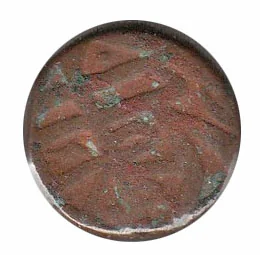
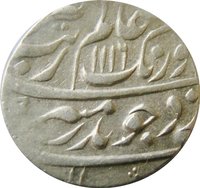
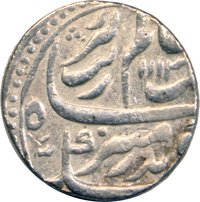
Obverse
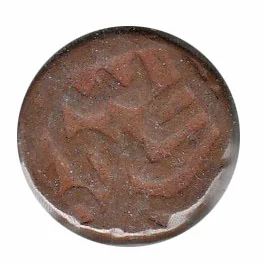
Description:
KM#285.17
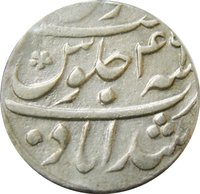
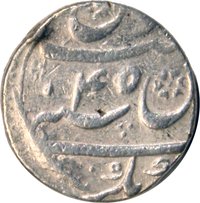
Reverse
Edge
Plain
Mintings
| Year | Mint Mark | Mintage | Quality | Collection |
|---|---|---|---|---|
| 1705 | 48 | — |
Historical background
By 1705, the Mughal Empire's currency system, a pillar of its economic might, was under significant strain despite its superficial robustness. The empire operated on a trimetallic system with the silver rupee as the primary unit of account and trade, alongside gold mohurs and copper dams for smaller transactions. The quality and uniformity of these coins, minted with advanced die-stamping technology across a vast network of imperial mints (dar-ul-zarbs), were historically high, facilitating commerce across Asia. However, Emperor Aurangzeb's prolonged and costly military campaigns in the Deccan, particularly against the Marathas, were draining the imperial treasury. This forced increased minting of coins, often from melted-down treasure hoards, to pay armies, placing inflationary pressures on the system and beginning to dilute the careful control over currency that earlier emperors had maintained.
The situation was further complicated by regional fragmentation and fiscal decentralisation. While the imperial coinage remained authoritative, powerful regional governors and emerging rival states, like the Marathas, began establishing their own mints, producing coins that sometimes deviated from imperial standards. This gradual erosion of monetary monopoly was a symptom of the empire's waning centralised control. Furthermore, the immense outflow of silver bullion to pay for imports—such as spices from the East and luxury goods—and the costs of maintaining the Deccan armies created a persistent drain of precious metal from the imperial core. The global influx of New World silver, which had once fuelled the Mughal economy, was now struggling to offset these massive expenditures.
Consequently, while a merchant in Delhi or Surat in 1705 would still transact in pristine Mughal rupees bearing Aurangzeb's regnal year, the underlying system was growing increasingly precarious. The fiscal demands of endless warfare were prioritised over monetary stability, leading to potential shortages of circulating specie in some regions and a slow decline in the system's uniformity. The currency scene thus mirrored the empire itself: still imposing and functional on the surface, but showing early cracks from the combined pressures of internal rebellion, fiscal strain, and the slow shift of economic power toward regional entities, foreshadowing the greater monetary disarray of the 18th century.
The situation was further complicated by regional fragmentation and fiscal decentralisation. While the imperial coinage remained authoritative, powerful regional governors and emerging rival states, like the Marathas, began establishing their own mints, producing coins that sometimes deviated from imperial standards. This gradual erosion of monetary monopoly was a symptom of the empire's waning centralised control. Furthermore, the immense outflow of silver bullion to pay for imports—such as spices from the East and luxury goods—and the costs of maintaining the Deccan armies created a persistent drain of precious metal from the imperial core. The global influx of New World silver, which had once fuelled the Mughal economy, was now struggling to offset these massive expenditures.
Consequently, while a merchant in Delhi or Surat in 1705 would still transact in pristine Mughal rupees bearing Aurangzeb's regnal year, the underlying system was growing increasingly precarious. The fiscal demands of endless warfare were prioritised over monetary stability, leading to potential shortages of circulating specie in some regions and a slow decline in the system's uniformity. The currency scene thus mirrored the empire itself: still imposing and functional on the surface, but showing early cracks from the combined pressures of internal rebellion, fiscal strain, and the slow shift of economic power toward regional entities, foreshadowing the greater monetary disarray of the 18th century.
✨ Legendary