

1 Rupee – Mughal Empire
India
Context
Years: 1698–1703
Country: India 
Issuer: Mughal Empire
Ruler: Aurangzeb
Currency:
(1540—1842)
Demonetized: Yes
Material
References
KM: #Click to copy to clipboard300.100
Numista: #57412
Value
Bullion value: $32.97
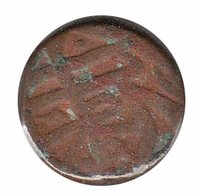
Obverse
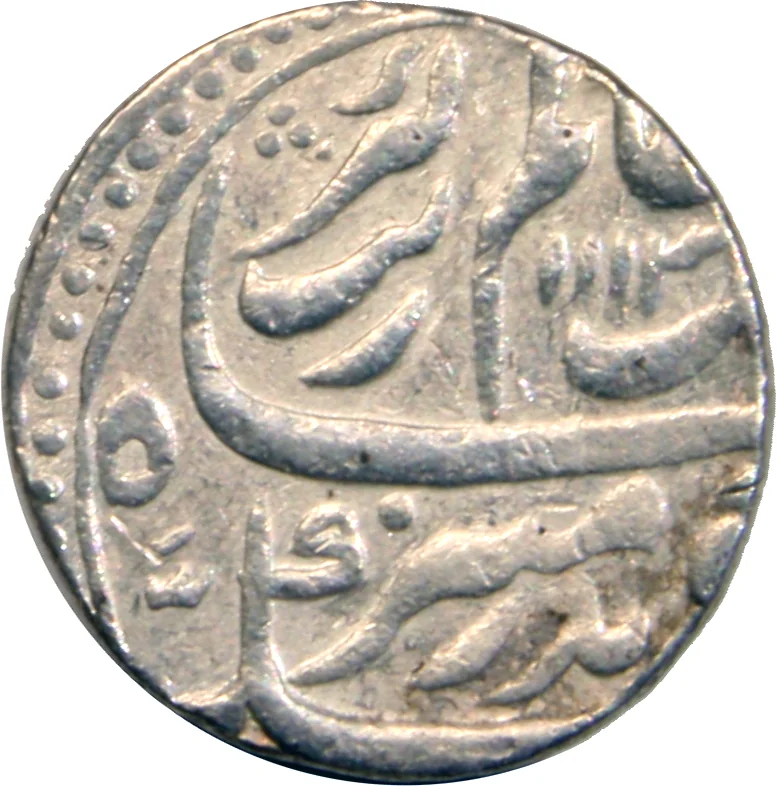
Description:
Emperor's Name (AH date)
Inscription:
۱۱۱۳
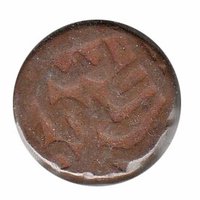
Reverse
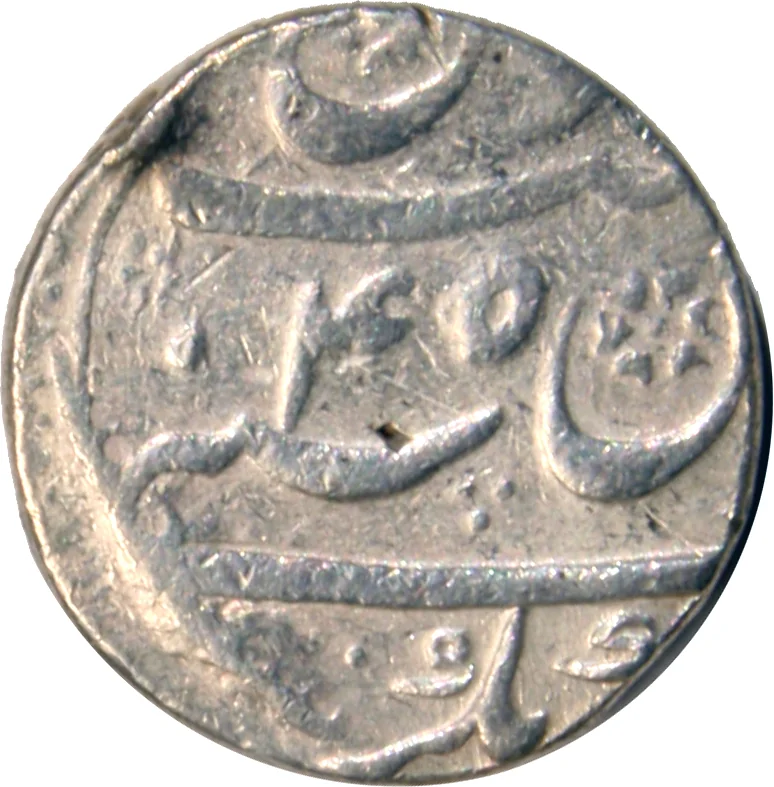
Description:
Mint & RY
Inscription:
۴۵
Edge
Plain
Mintings
| Year | Mint Mark | Mintage | Quality | Collection |
|---|---|---|---|---|
| 1698 | — | — | ||
| 1699 | — | — | ||
| 1700 | — | — | ||
| 1701 | — | — | ||
| 1702 | — | — | ||
| 1703 | — | — |
Historical background
By 1698, the Mughal Empire under Emperor Aurangzeb was in the midst of a prolonged and financially draining military campaign in the Deccan, which placed immense strain on the imperial treasury. This fiscal pressure directly impacted the currency system, which was primarily based on the silver rupee and the gold mohur. The empire's currency was renowned for its high purity and consistency, minted in imperial mints (dar-ul-zarb) across the subcontinent. However, the cost of war led to attempts to increase revenue through currency manipulation, including the occasional debasement of coinage—reducing the precious metal content—to stretch bullion reserves, though this was done cautiously to avoid damaging the rupee's reputation as a reliable trade coin.
The monetary landscape was complex, with older coins from previous reigns, like those of Shah Jahan, remaining in circulation alongside newly minted pieces, all valued by weight and purity rather than simply by face value. Furthermore, a vast array of local and regional coins, such as the dam (copper coin) for smaller transactions and various issues from semi-autonomous provinces, facilitated daily trade. This created a multi-tiered system where money-changers (sarrafs) were essential figures, verifying coins and converting currencies. The empire's immense wealth and trade ensured a steady inflow of New World silver, primarily via European trading companies, which was crucial for minting new rupees to pay armies and fund administration.
Despite the military pressures, the Mughal currency system in 1698 was still fundamentally intact and functioned as the backbone of a vast economy. However, it was operating under significant stress. The diversion of silver to the Deccan war effort, coupled with the gradual shift of economic gravity towards emerging regional powers and European coastal settlements, marked the beginning of a slow erosion of centralized monetary control. The system's resilience was being tested, foreshadowing the greater monetary fragmentation and challenges that would follow in the 18th century after Aurangzeb's death.
The monetary landscape was complex, with older coins from previous reigns, like those of Shah Jahan, remaining in circulation alongside newly minted pieces, all valued by weight and purity rather than simply by face value. Furthermore, a vast array of local and regional coins, such as the dam (copper coin) for smaller transactions and various issues from semi-autonomous provinces, facilitated daily trade. This created a multi-tiered system where money-changers (sarrafs) were essential figures, verifying coins and converting currencies. The empire's immense wealth and trade ensured a steady inflow of New World silver, primarily via European trading companies, which was crucial for minting new rupees to pay armies and fund administration.
Despite the military pressures, the Mughal currency system in 1698 was still fundamentally intact and functioned as the backbone of a vast economy. However, it was operating under significant stress. The diversion of silver to the Deccan war effort, coupled with the gradual shift of economic gravity towards emerging regional powers and European coastal settlements, marked the beginning of a slow erosion of centralized monetary control. The system's resilience was being tested, foreshadowing the greater monetary fragmentation and challenges that would follow in the 18th century after Aurangzeb's death.
✨ Legendary