

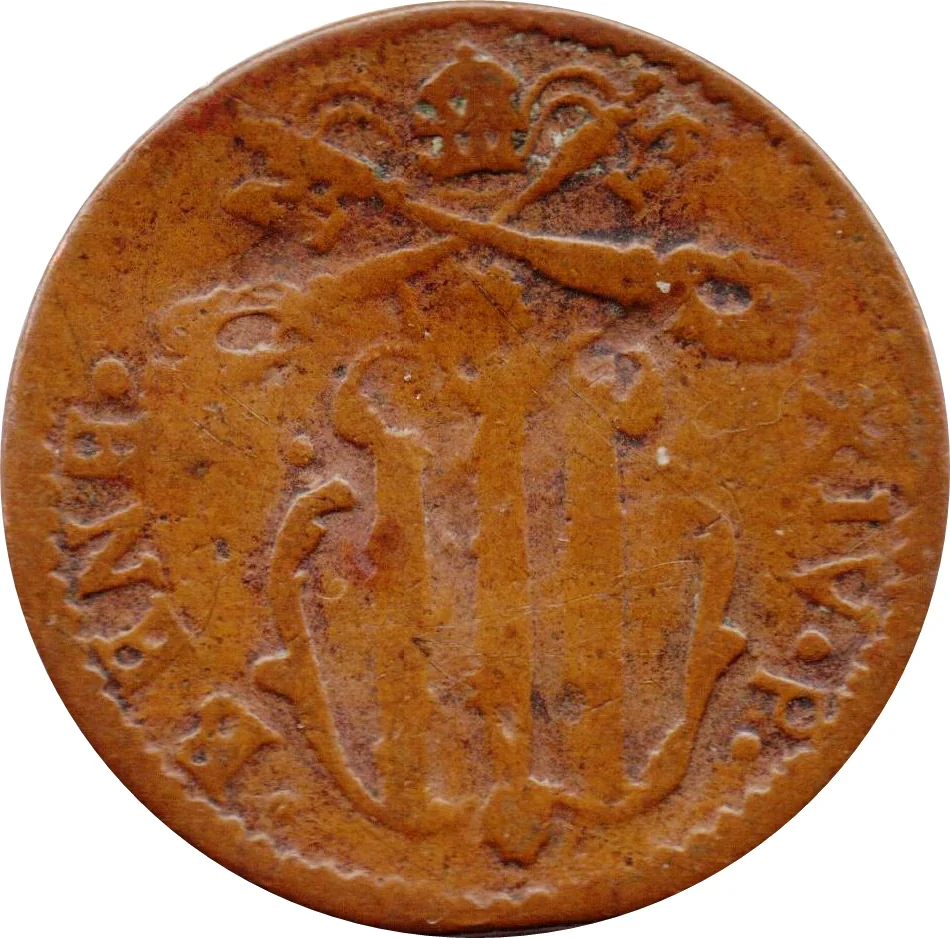
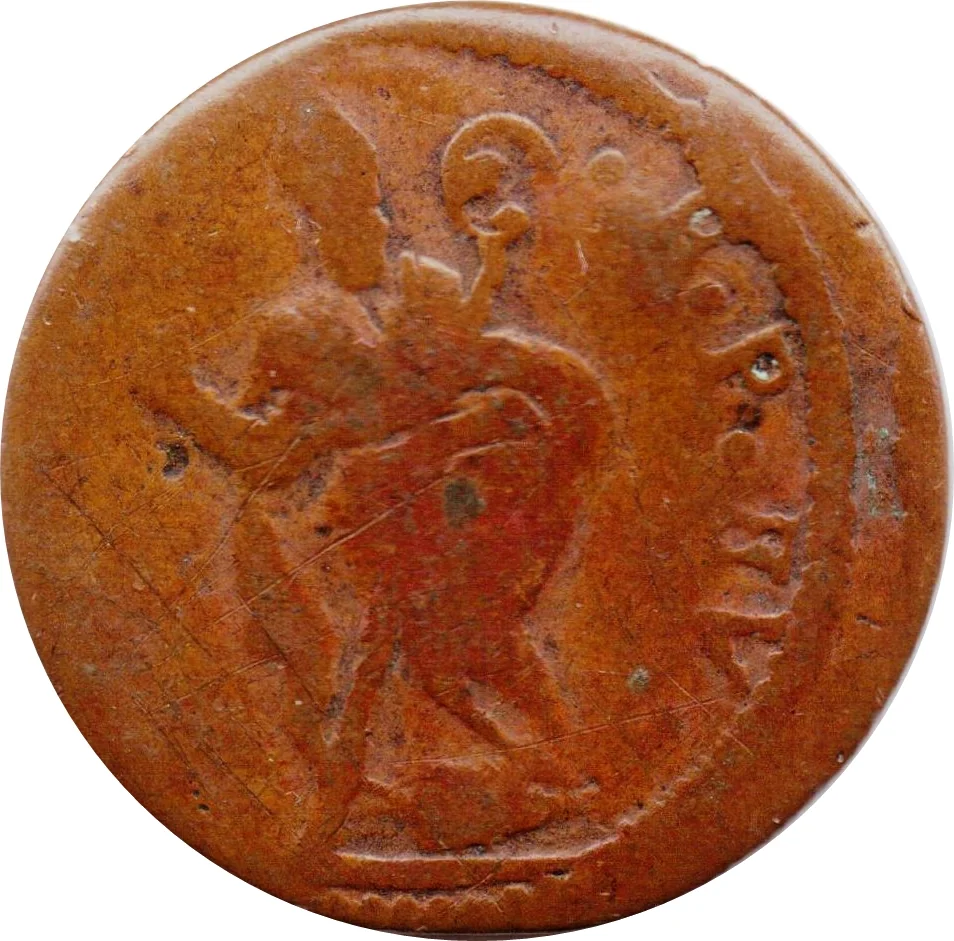
1 quattrino – Gubbio
Add to wishlist
Italy
Context
Material
References
KM: #
Numista: #48472
Obverse
Reverse
Edge
Plain
Categories
| Person> Religious figure |
| Symbol> Crown |
| Religion> Religious objects |
| Symbols> Coat of Arms |
Mints
| Name | Mark |
|---|---|
| Gubbio | — |
Mintings
| Year | Mint Mark | Mintage | Quality | Collection |
|---|---|---|---|---|
| 1745 | — | — |
Historical background
In 1745, Gubbio, like the rest of the Papal States, operated under a complex and often chaotic monetary system. Officially, the currency was the Papal scudo, divided into 100 baiochi, each of which was further divided into 10 quattrini. However, the reality in the marketplace was a jumble of physical coins from various Italian and European states, including Tuscan fiorini, Venetian ducats, and Spanish silver pieces. Their value was not fixed by weight alone but by official periodic "bills of quotation" (bollettini) issued by local authorities, which attempted to set exchange rates between these heterogeneous coins and the accounting scudo. This created a constant source of confusion and potential for fraud.
The local economy of Gubbio, heavily based on wool, leather, and agriculture, suffered from this instability. Merchants and peasants alike had to navigate daily fluctuations in the value of the coins in their pockets, as the intrinsic metal value often differed from the proclaimed official rate. Furthermore, the Papal government in Rome frequently manipulated the currency to address its own fiscal shortfalls, debasing coinage or altering rates to siphon wealth, which eroded public trust. For Gubbio's citizens, a transaction was rarely straightforward, often requiring a money changer (campsores) to assess and exchange a bewildering array of physical currency.
This monetary confusion was exacerbated by a severe shortage of small-denomination coins needed for everyday purchases, a common problem in 18th-century Europe. This scarcity led to the widespread practice of cutting larger silver coins into pieces to make change and the use of locally minted tokens or even written promises of payment. Consequently, the year 1745 in Gubbio represents a period of tangible economic strain, where the abstract financial policies of a distant papal bureaucracy directly impacted local trade, sowing frustration and hindering commerce in this small Umbrian commune.
The local economy of Gubbio, heavily based on wool, leather, and agriculture, suffered from this instability. Merchants and peasants alike had to navigate daily fluctuations in the value of the coins in their pockets, as the intrinsic metal value often differed from the proclaimed official rate. Furthermore, the Papal government in Rome frequently manipulated the currency to address its own fiscal shortfalls, debasing coinage or altering rates to siphon wealth, which eroded public trust. For Gubbio's citizens, a transaction was rarely straightforward, often requiring a money changer (campsores) to assess and exchange a bewildering array of physical currency.
This monetary confusion was exacerbated by a severe shortage of small-denomination coins needed for everyday purchases, a common problem in 18th-century Europe. This scarcity led to the widespread practice of cutting larger silver coins into pieces to make change and the use of locally minted tokens or even written promises of payment. Consequently, the year 1745 in Gubbio represents a period of tangible economic strain, where the abstract financial policies of a distant papal bureaucracy directly impacted local trade, sowing frustration and hindering commerce in this small Umbrian commune.
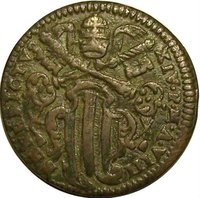
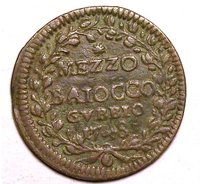
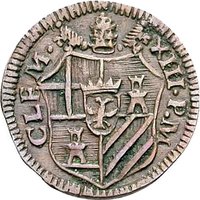
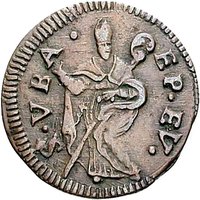
💎 Extremely Rare