

1 quattrino – Gubbio
Add to wishlist
Italy
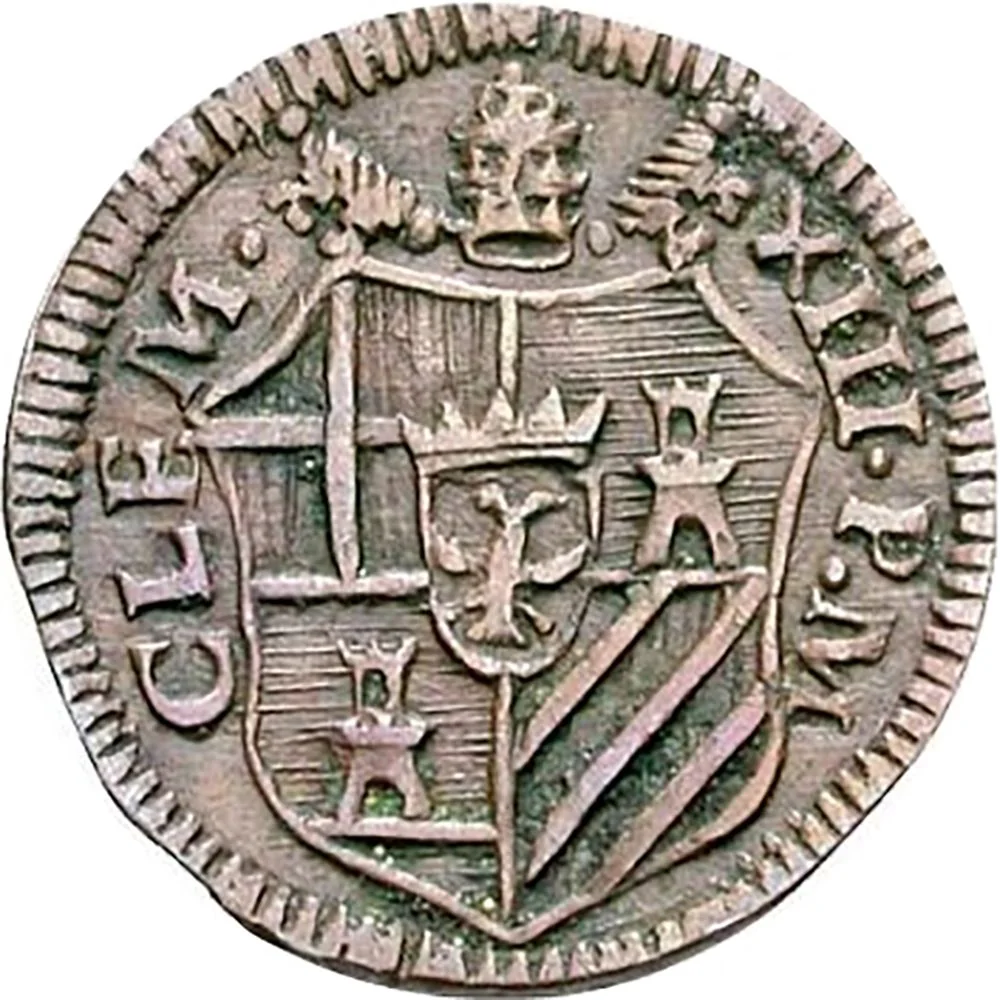
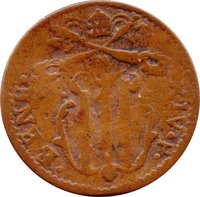
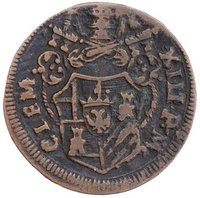
Obverse
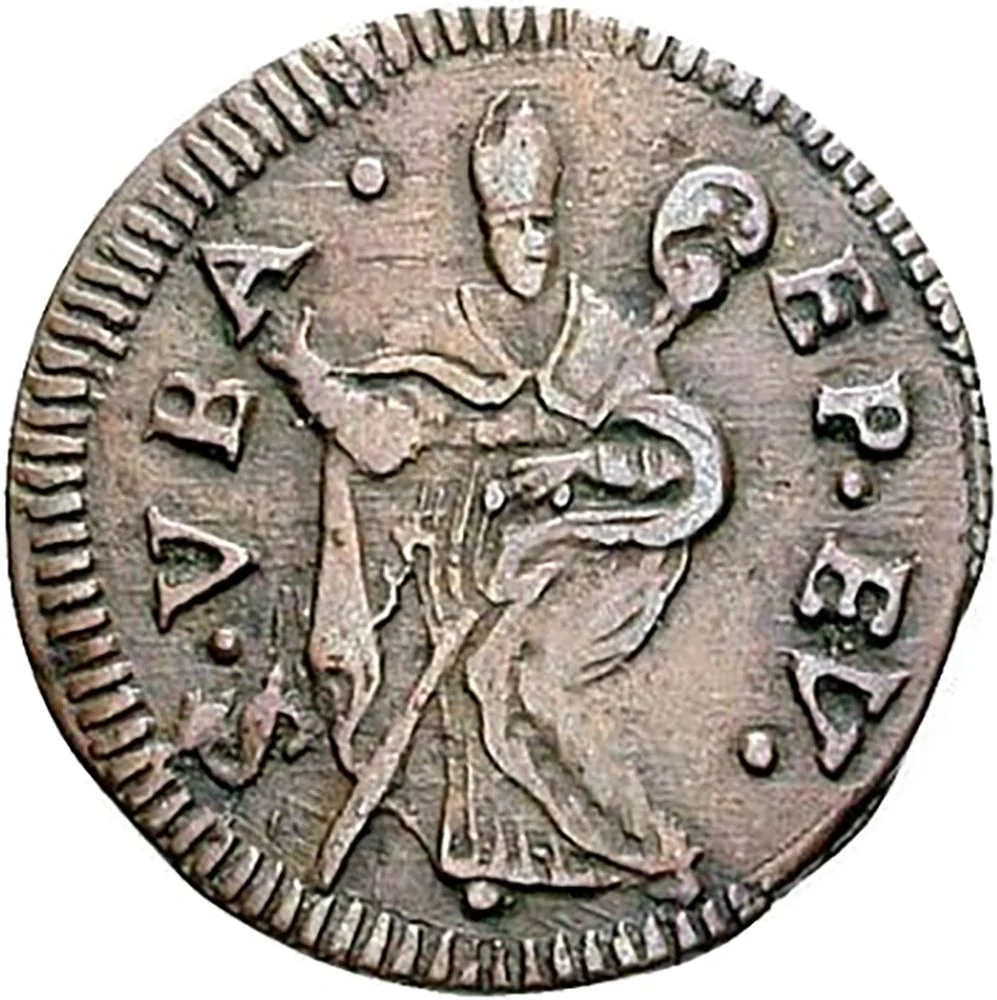
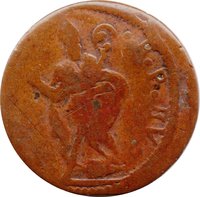
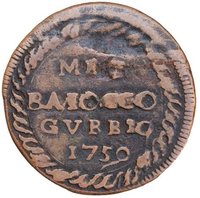
Reverse
Edge
Plain
Categories
| Person> Religious figure |
| Symbol> Crown |
| Religion> Religious objects |
| Symbols> Coat of Arms |
Mints
| Name | Mark |
|---|---|
| Gubbio | — |
Mintings
| Year | Mint Mark | Mintage | Quality | Collection |
|---|---|---|---|---|
| — | — | — |
Historical background
In 1758, Gubbio, a town in the Papal States, operated within a complex and fragmented monetary system typical of pre-unification Italy. Officially, the currency was the Papal scudo, divided into 100 baiochi, each of 5 quattrini. However, the practical reality was a cacophony of circulating coins. Alongside Papal issues, older regional coins from neighbouring duchies, Spanish silver pieces from global trade, and even worn coins from centuries past all passed through the market. This created a constant need for money-changers (campsores) and intricate conversion tables, as the value of a coin depended not only on its stamp but also on its metal content and wear.
The local economy, primarily based on agriculture, wool, and ceramics, struggled with this instability. Debasement of coinage by various issuing authorities and the inflow of inferior foreign coins often led to inflation, subtly eroding purchasing power. For Gubbio’s merchants and artisans, this meant daily uncertainty in pricing and contracts. Larger transactions, especially with traders from other Italian states, were frequently calculated in imaginary "money of account" (like the lira), which acted as a stable ledger unit against which fluctuating physical coins were measured.
Ultimately, the currency situation in 1758 reflected Gubbio’s political reality: it was subject to the monetary policies decreed in Rome, yet deeply affected by the economic currents of a divided peninsula. There was no uniform, state-controlled currency, and the system’s inefficiency acted as a drag on commerce. This environment would persist until the sweeping monetary reforms following Italian unification more than a century later.
The local economy, primarily based on agriculture, wool, and ceramics, struggled with this instability. Debasement of coinage by various issuing authorities and the inflow of inferior foreign coins often led to inflation, subtly eroding purchasing power. For Gubbio’s merchants and artisans, this meant daily uncertainty in pricing and contracts. Larger transactions, especially with traders from other Italian states, were frequently calculated in imaginary "money of account" (like the lira), which acted as a stable ledger unit against which fluctuating physical coins were measured.
Ultimately, the currency situation in 1758 reflected Gubbio’s political reality: it was subject to the monetary policies decreed in Rome, yet deeply affected by the economic currents of a divided peninsula. There was no uniform, state-controlled currency, and the system’s inefficiency acted as a drag on commerce. This environment would persist until the sweeping monetary reforms following Italian unification more than a century later.
✨ Legendary