

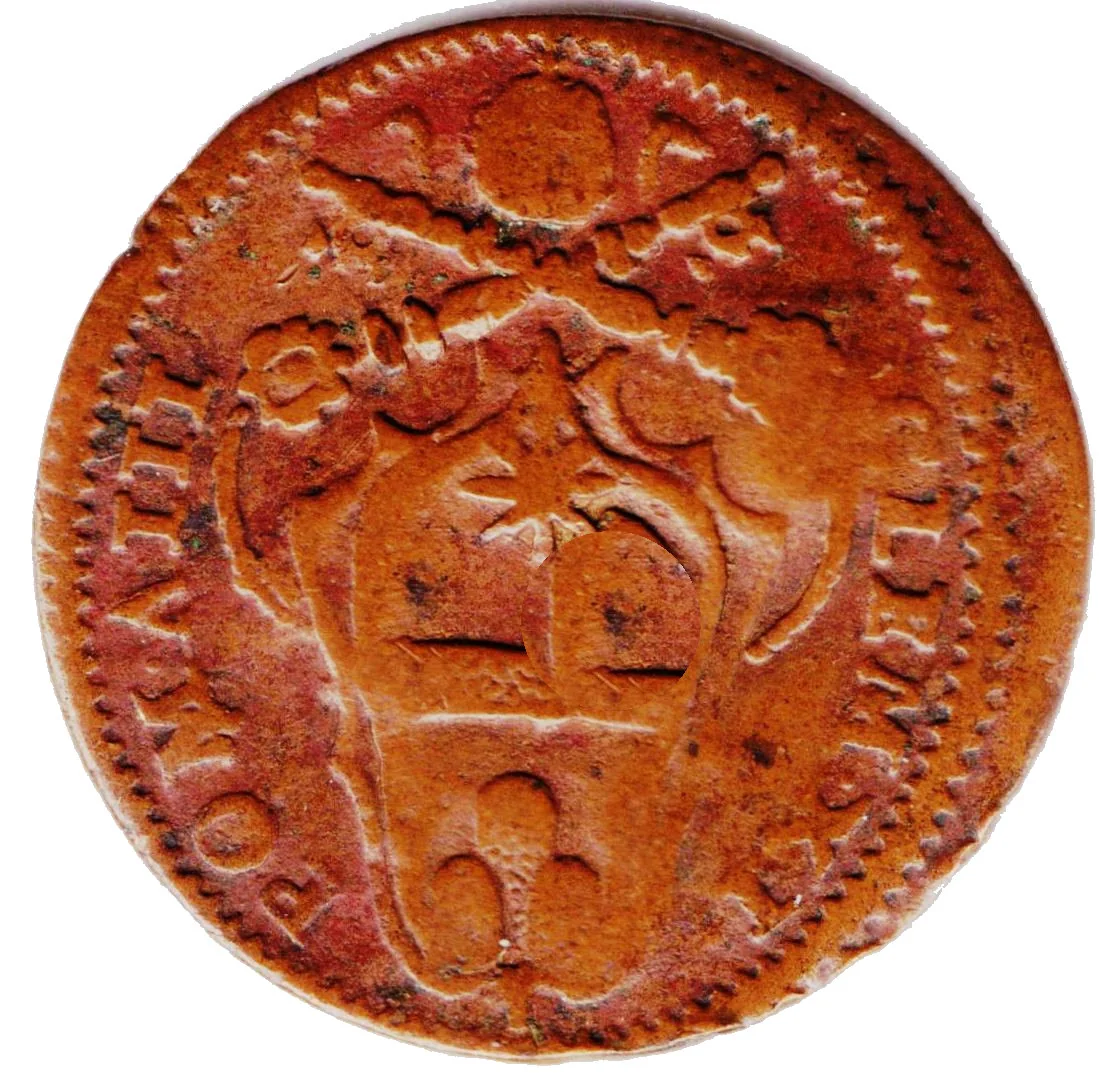
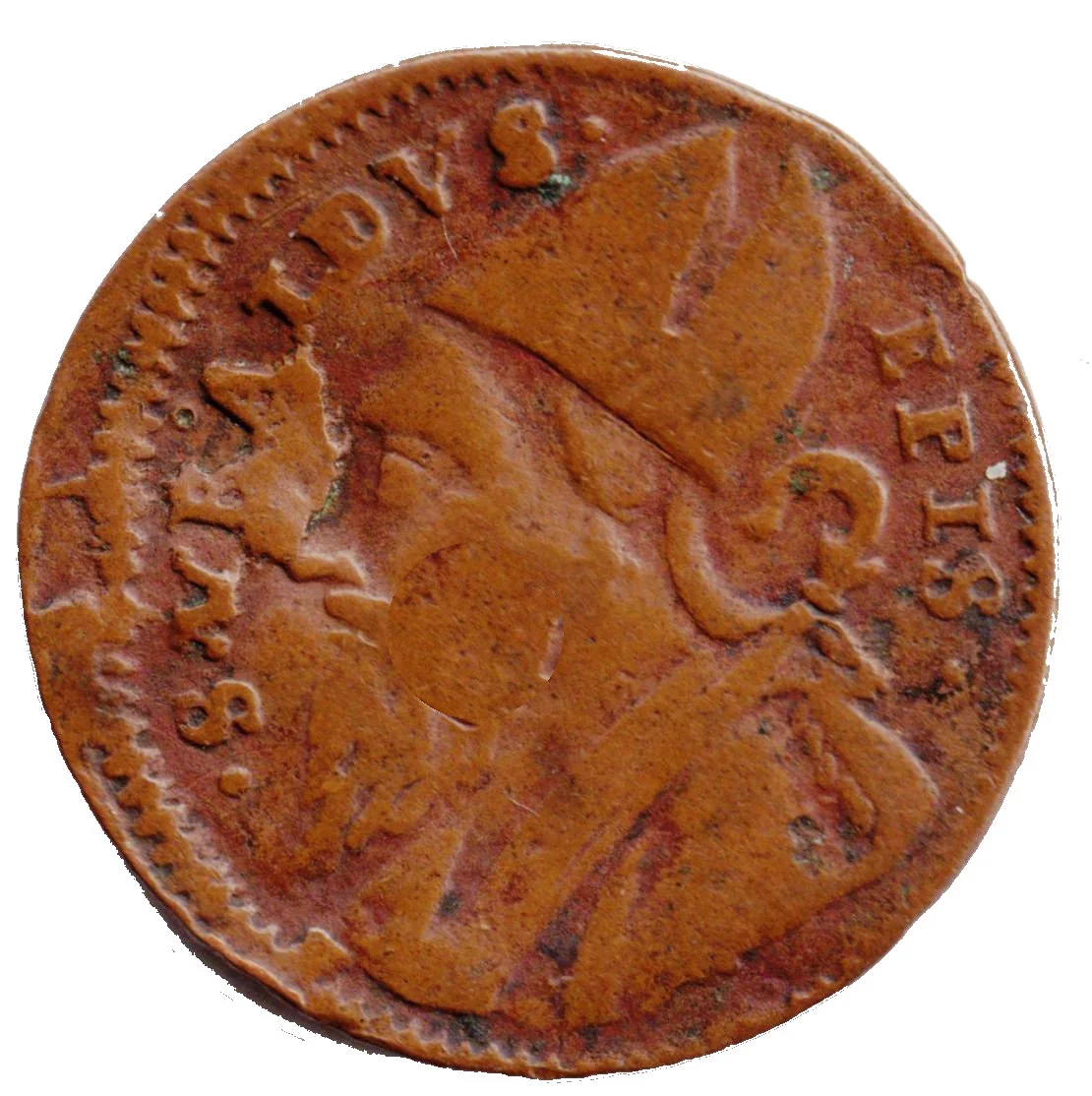
1 quattrino – Gubbio
Add to wishlist
Italy
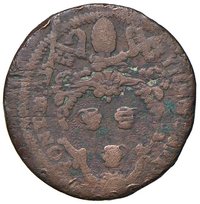
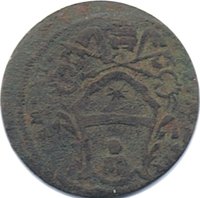
Obverse
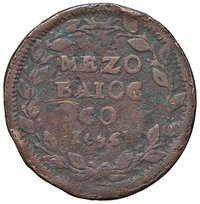
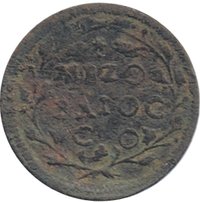
Reverse
Edge
Plain
Categories
| Person> Religious figure |
| Object> Hat |
| Symbol> Crown |
| Symbols> Coat of Arms |
Mints
| Name | Mark |
|---|---|
| Gubbio | — |
Mintings
| Year | Mint Mark | Mintage | Quality | Collection |
|---|---|---|---|---|
| 1702 | — | — |
Historical background
In 1702, the Italian city-state of Gubbio, like much of the Italian peninsula, operated under a complex and often chaotic monetary system. It did not issue its own sovereign coinage but was subject to the currency flows and decrees of the Papal States, within which it was a semi-autonomous commune. The circulating medium was a bewildering mixture of scudi (crowns), giuli, and baiochi from various Papal and neighbouring mints, alongside older local issues and even foreign coins from Spanish, French, and Habsburg territories brought by trade and military passage. This proliferation of coins of varying weight, purity, and origin made everyday commerce difficult and prone to dispute.
The primary economic pressure stemmed from the War of the Spanish Succession (1701-1714), which raged across Europe. The conflict caused severe shortages of precious metals, as silver and gold were hoarded for war financing. This led to widespread debasement of coinage by states desperate for revenue, a practice that inevitably affected the value of coins circulating in Gubbio. Consequently, the intrinsic metal value of a coin often fell below its declared face value, causing inflation, a loss of public trust, and frequent adjustments in exchange rates between different denominations.
Local authorities in Gubbio were largely powerless to control the broader monetary instability. Their main role was to periodically issue grida (public proclamations) that attempted to fix official exchange rates and ban the circulation of specific debased or counterfeit coins, a constant problem. These edicts, posted in the Piazza della Signoria, were reactive and often ineffectual, as the flood of unstable currency from beyond the Apennines continued. Thus, in 1702, Gubbio's currency situation was defined by dependency, scarcity, and confusion, mirroring the turbulent political landscape of early 18th-century Italy.
The primary economic pressure stemmed from the War of the Spanish Succession (1701-1714), which raged across Europe. The conflict caused severe shortages of precious metals, as silver and gold were hoarded for war financing. This led to widespread debasement of coinage by states desperate for revenue, a practice that inevitably affected the value of coins circulating in Gubbio. Consequently, the intrinsic metal value of a coin often fell below its declared face value, causing inflation, a loss of public trust, and frequent adjustments in exchange rates between different denominations.
Local authorities in Gubbio were largely powerless to control the broader monetary instability. Their main role was to periodically issue grida (public proclamations) that attempted to fix official exchange rates and ban the circulation of specific debased or counterfeit coins, a constant problem. These edicts, posted in the Piazza della Signoria, were reactive and often ineffectual, as the flood of unstable currency from beyond the Apennines continued. Thus, in 1702, Gubbio's currency situation was defined by dependency, scarcity, and confusion, mirroring the turbulent political landscape of early 18th-century Italy.
✨ Legendary