In 1655, the Prince-Archbishopric of Salzburg operated within the complex monetary landscape of the Holy Roman Empire. The territory did not mint its own gold or silver coins but instead relied heavily on the circulation of externally minted specie, particularly the Reichsthaler, a large silver coin that served as a key accounting unit. However, the actual daily currency in use was a diverse mix of smaller regional and foreign coins, including Kreuzers, Pfennigs, and Batzen, whose values in relation to the Reichsthaler were subject to frequent fluctuation and local ordinance.
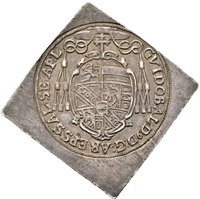
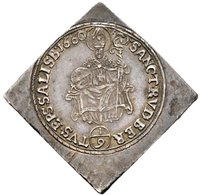
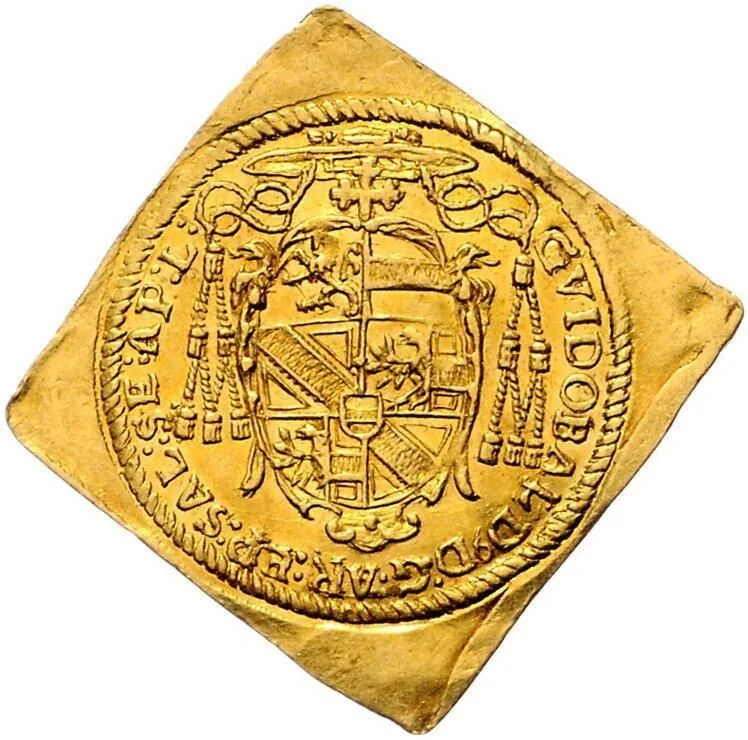
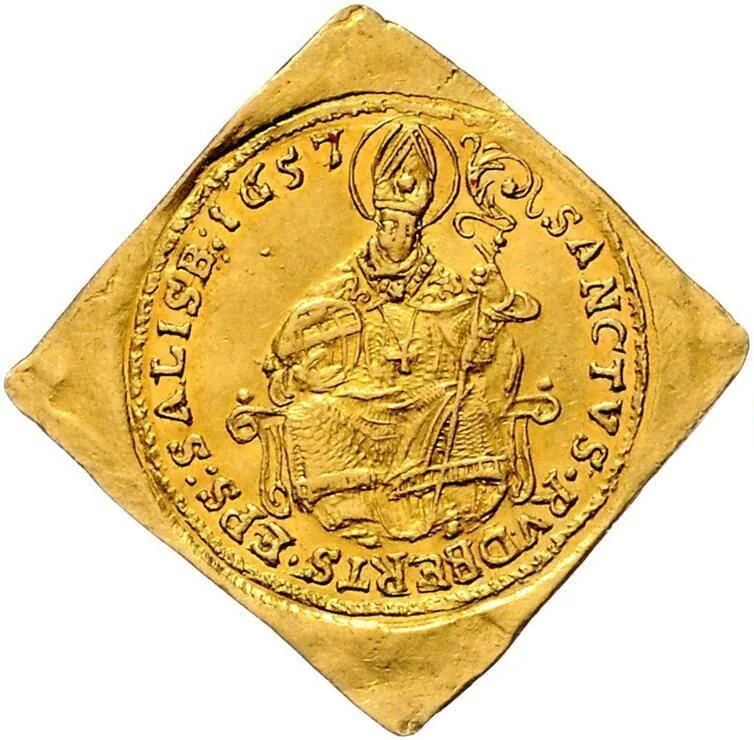
This period was marked by significant monetary instability across Germany, driven by the ongoing economic aftermath of the Thirty Years' War (1618-1648). The war had led to widespread debasement of coinage by various states, flooding markets with inferior, small-denomination coins while precious silver was hoarded or exported. For Salzburg, a major ecclesiastical state with a economy based on mining, salt, and trade, this created persistent challenges. Archbishop Guidobald von Thun (1654-1668) faced the difficult task of maintaining a stable medium of exchange for commerce and taxation amidst this regional "Kipper und Wipper" crisis of degraded currency.
Consequently, the monetary situation in 1655 was one of controlled adaptation. The prince-archbishop's government would have issued periodic minting ordinances (
Münzmandate) to fix the legal exchange rates for the myriad of circulating coins within its borders, attempting to shield the local economy from the worst external volatility. The focus was less on creating a unique Salzburg currency and more on regulatory management—defining which foreign coins were acceptable for payment and at what value, thereby striving to ensure fiscal order and protect the prince-archbishop's seigniorage rights in a fragmented and recovering monetary system.