

1 Rupee – Mughal Empire
India
Context
Years: 1648–1657
Country: India 
Issuer: Mughal Empire
Ruler: Shah Jahan
Currency:
(1540—1842)
Demonetized: Yes
Material
References
KM: #Click to copy to clipboard228.4
Numista: #478107
Value
Bullion value: $32.97
Obverse
Description:
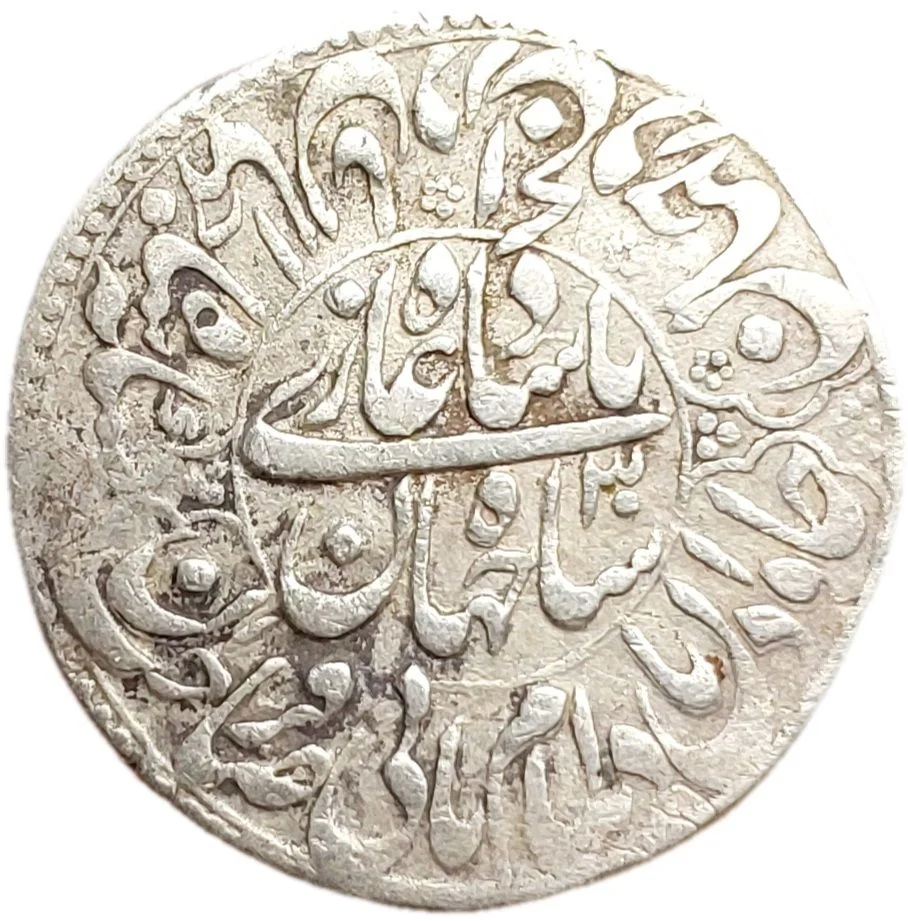
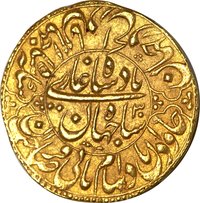
Shah Jahan, RY#30, Sikka Shah Jahanabad
Inscription:
بادشاه غازی شاه جهان (RY#)30
جاودان بادا بنام ثانی صاحب القران
سک شاه جهان آباد رایج در جهان
جاودان بادا بنام ثانی صاحب القران
سک شاه جهان آباد رایج در جهان
Script: Persian
Reverse
Description:
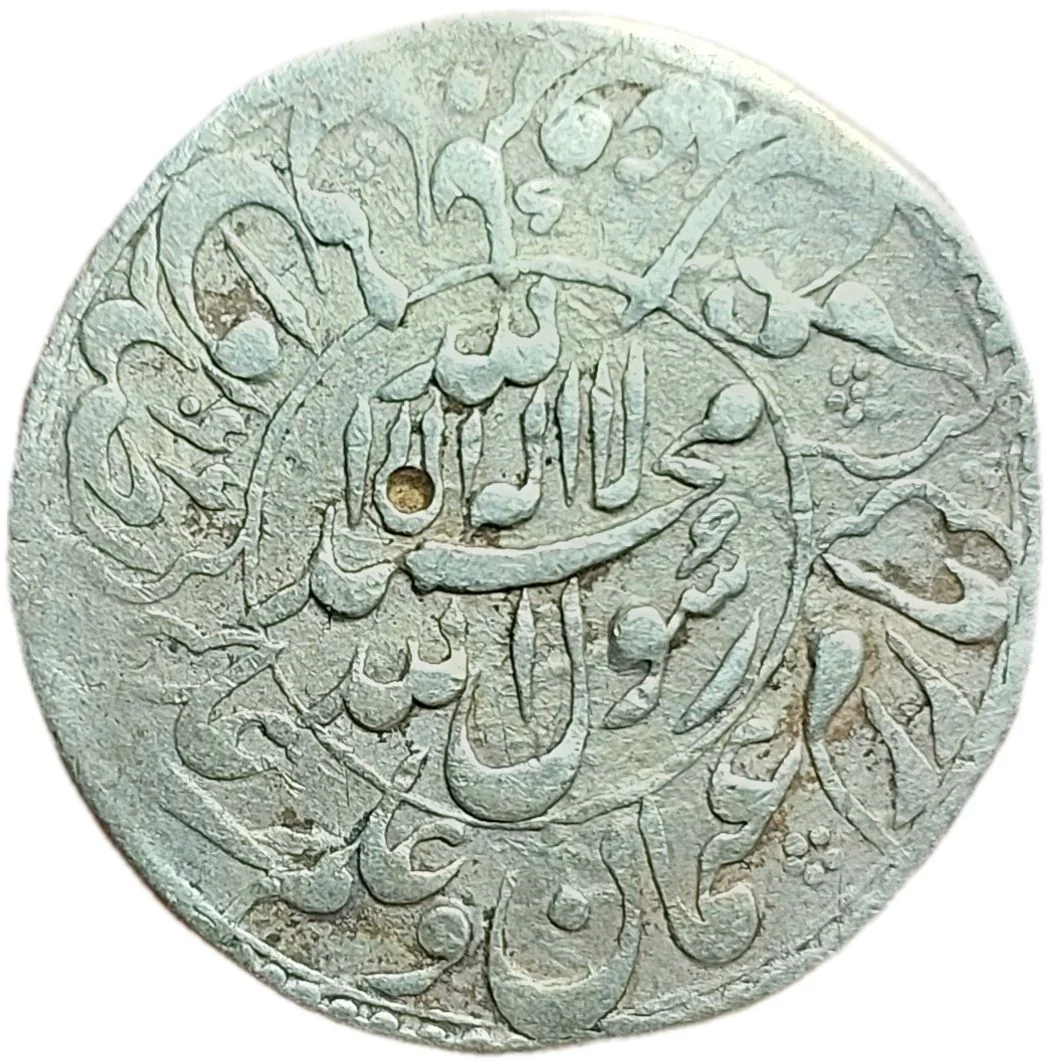
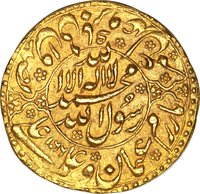
Inside: Kalima Tauheed
Outside: Four caliphs' names and 1066 AH
Outside: Four caliphs' names and 1066 AH
Inscription:
(Inside Circle) لَا إِلَٰهَ إِلَّا ٱللَّٰهُ مُحَمَّدٌ رَسُولُ ٱللَّٰهِ
(Outside Circle) 1066AH با صدیق ابوبکر و عدل عمر بر زم عثمان و علم علی
(Outside Circle) 1066AH با صدیق ابوبکر و عدل عمر بر زم عثمان و علم علی
Script: Persian
Edge
Mintings
| Year | Mint Mark | Mintage | Quality | Collection |
|---|---|---|---|---|
| 1648 | — | — | ||
| 1650 | — | — | ||
| 1651 | — | — | ||
| 1652 | — | — | ||
| 1653 | — | — | ||
| 1654 | — | — | ||
| 1655 | — | — | ||
| 1656 | — | — | ||
| 1657 | — | — |
Historical background
In 1648, the Mughal Empire under Emperor Shah Jahan stood at the zenith of its economic power and administrative sophistication, with a currency system that was remarkably unified and stable. The backbone of this system was the silver rupee, a high-purity coin minted to a strict standard that enjoyed wide acceptance across the vast empire and beyond, functioning as a de facto common currency in Indian Ocean trade. It was complemented by the gold mohur, used for high-value transactions and hoarding, and a range of copper dams that facilitated everyday local commerce. This trimetallic system, centrally controlled through a network of imperial mints (dar al-zarb), provided the financial lubrication for the empire's immense agrarian revenue, its booming textile and luxury crafts, and the monumental architectural projects like the Taj Mahal, then under construction.
The stability of the currency was a direct reflection of Mughal political strength, as the state maintained a near-monopoly on coinage and enforced rigorous quality control. The system, however, faced underlying pressures. A significant challenge was the continuous outflow of silver bullion to pay for imports of luxury goods like Central Asian horses and Persian silks, which was not fully offset by the influx of New World silver entering through European trade. Furthermore, while the imperial coinage was supreme, older regional currencies and foreign coins, particularly Spanish Reales, still circulated in port cities, integrating the Mughal economy into global flows of precious metals.
Thus, in 1648, the currency situation was one of impressive surface stability masking nascent vulnerabilities. The system efficiently served the needs of the state and grand commerce, underpinned by the empire's military and administrative might. Yet, its health was inherently tied to a constant influx of silver and the central authority's ability to maintain control. The strains that would become more apparent later in the century—such as bullion scarcity and regional minting autonomy during times of weak central rule—were present in embryo, but were effectively managed during Shah Jahan's reign, allowing the rupee to remain a symbol of Mughal prosperity and power.
The stability of the currency was a direct reflection of Mughal political strength, as the state maintained a near-monopoly on coinage and enforced rigorous quality control. The system, however, faced underlying pressures. A significant challenge was the continuous outflow of silver bullion to pay for imports of luxury goods like Central Asian horses and Persian silks, which was not fully offset by the influx of New World silver entering through European trade. Furthermore, while the imperial coinage was supreme, older regional currencies and foreign coins, particularly Spanish Reales, still circulated in port cities, integrating the Mughal economy into global flows of precious metals.
Thus, in 1648, the currency situation was one of impressive surface stability masking nascent vulnerabilities. The system efficiently served the needs of the state and grand commerce, underpinned by the empire's military and administrative might. Yet, its health was inherently tied to a constant influx of silver and the central authority's ability to maintain control. The strains that would become more apparent later in the century—such as bullion scarcity and regional minting autonomy during times of weak central rule—were present in embryo, but were effectively managed during Shah Jahan's reign, allowing the rupee to remain a symbol of Mughal prosperity and power.
✨ Legendary