

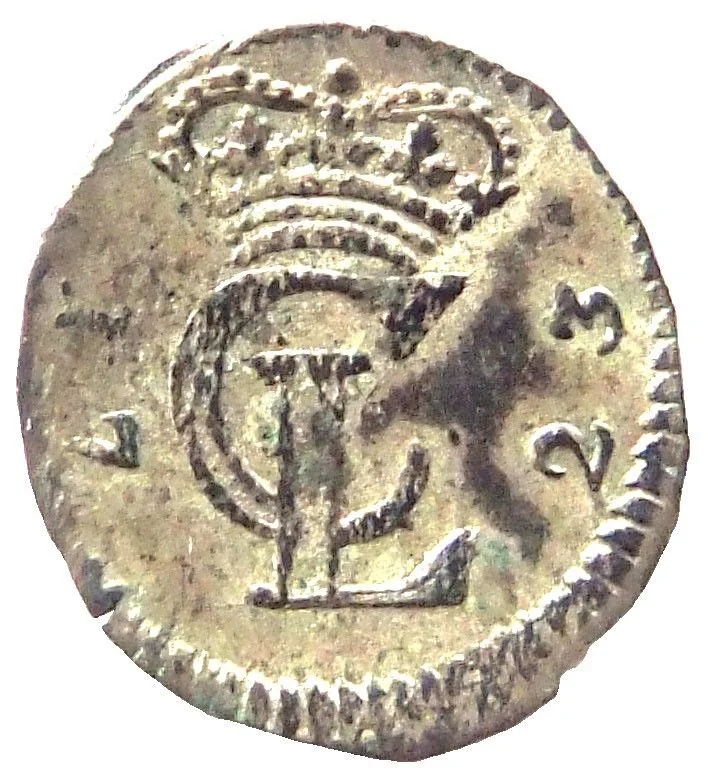
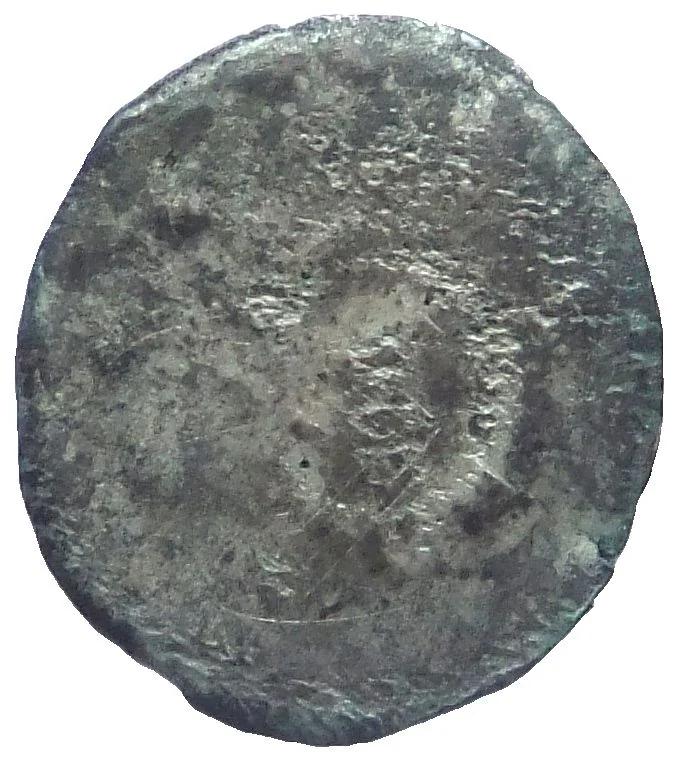
1 Pfennig – Landgraviate of Hesse-Cassel
Context
Material
Diameter: 12.5 mm
Weight: 0.3 g
Silver weight: 0.30 g
Shape: Irregular round
Composition: Silver
Magnetic: No
References
KM: #Click to copy to clipboard316
Numista: #467129
Value
Bullion value: $0.85
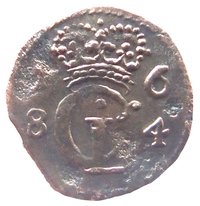
Obverse
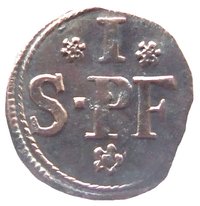
Reverse
Edge
Mintings
| Year | Mint Mark | Mintage | Quality | Collection |
|---|---|---|---|---|
| 1683 | — | — | ||
| 1685 | — | — | ||
| 1686 | — | — | ||
| 1690 | — | — | ||
| 1697 | — | — | ||
| 1704 | — | — | ||
| 1723 | — | — |
Historical background
In 1683, the currency situation in the Landgraviate of Hesse-Cassel was complex and challenging, typical of the Holy Roman Empire's fragmented monetary landscape. The landgraviate did not have a monopoly on coinage; its own minted coins, such as the Taler and smaller denominations like Groschen and Kreuzer, circulated alongside a multitude of foreign currencies from neighboring states. This proliferation, combined with the widespread practice of clipping and debasing coins, led to chronic instability, confusing exchange rates, and a loss of public trust in the value of money, which hampered both daily trade and state finances.
Landgrave Karl, who ruled from 1670 to 1730, was acutely aware of these problems and had already begun efforts toward monetary reform. His primary objective was to stabilize the currency to secure state revenue and facilitate economic activity, which was crucial for funding his ambitious policies, including maintaining a modern standing army. The year 1683 fell within a period of ongoing assessment and gradual intervention, where the government likely attempted to enforce stricter minting standards and control the inflow of inferior foreign coins, though with limited immediate success.
Ultimately, the monetary confusion of this era was a key driver for Karl and his successors to pursue greater centralization of economic authority. The persistent difficulties in 1683 underscored the necessity for the more comprehensive and famous monetary reforms that would be implemented later, particularly under Landgrave Frederick II in the mid-18th century. These later reforms, which established a stable and renowned Taler currency, had their roots in the protracted struggles against the chaotic and multi-currency system that defined Hesse-Cassel's economy in the late 17th century.
Landgrave Karl, who ruled from 1670 to 1730, was acutely aware of these problems and had already begun efforts toward monetary reform. His primary objective was to stabilize the currency to secure state revenue and facilitate economic activity, which was crucial for funding his ambitious policies, including maintaining a modern standing army. The year 1683 fell within a period of ongoing assessment and gradual intervention, where the government likely attempted to enforce stricter minting standards and control the inflow of inferior foreign coins, though with limited immediate success.
Ultimately, the monetary confusion of this era was a key driver for Karl and his successors to pursue greater centralization of economic authority. The persistent difficulties in 1683 underscored the necessity for the more comprehensive and famous monetary reforms that would be implemented later, particularly under Landgrave Frederick II in the mid-18th century. These later reforms, which established a stable and renowned Taler currency, had their roots in the protracted struggles against the chaotic and multi-currency system that defined Hesse-Cassel's economy in the late 17th century.
✨ Legendary